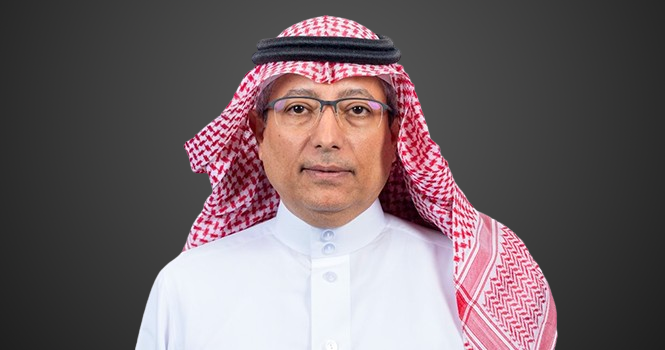
Abdullah Al Ghamdi CEO of Al Moammar Information Systems (MIS)
Abdullah Al Ghamdi, CEO of Al Moammar Information Systems (MIS), said the HUMAIN project will be financed through a combination of bank facilities from several lenders and an agreed collection schedule linked to project execution and completion milestones. 
He added that this structure will reduce pressure on working capital during peak execution periods.
MIS announced receiving a letter of award from HUMAIN covering an expanded scope for the design and construction of a data center dedicated to artificial intelligence technologies.
In an interview with Argaam, Al Ghamdi said management believes the current financing structure is sufficient to meet the project’s requirements. He noted that any decision to increase capital would be subject to a recommendation from the board of directors, approval by the extraordinary general assembly, and regulatory approvals.
No such decision has been made to date, the CEO added, stressing that any material developments will be disclosed through Tadawul.
He said Humain’s decision to increase the capacity from 50 MW to 250 MW was based on its own requirements and expansion plans, noting that MIS views the rapid expansion of the project’s scope as an indication of the client’s confidence in its capabilities and execution readiness.
Al Ghamdi added that the company is seeking additional data center projects, supported by its leading position in data center development as well as its technical and financial capabilities. MIS is targeting a 20% share of available data center construction opportunities, he said.
Asked about the contract value, Al Ghamdi said the value of the contract following the increase in HUMAIN’S project capacity to 250 MW exceeds 689% of the company’s total revenue for 2025, according to the company’s announcement on Tadawul.
He said the approximate contract value could be inferred from the reported revenue figures, noting that the 689% ratio was calculated based on the contract value including value-added tax (VAT).
Al Ghamdi said the company will begin work simultaneously on the full additional capacity of 200 MW, with the project to be executed under a Fast Track methodology in line with the timetable agreed with the client.
He said details of the annual delivery phases are subject to the project plan, which will be announced after the contract is signed to clarify the financial impact and execution timeline. He expects the project’s execution period to be relatively short.
The company does not disclose project-level margins due to competitive and contractual considerations, Al-Ghamdi said, explaining that the nature of this project differs from the company’s usual activities due to its mix of different types of work, which could result in a margin that differs from the historical average.
MIS always ensures an appropriate profit margin for the nature of each project, with the HUMAIN project carries a comfortable profit margin compared with other projects. The company also expects its overall profit margin to improve.
The CEO further said the hosting agreement is completely separate from the 250 MW contract. The hosting services are provided at existing data centers owned by the Saudi Data Center Fund 1, which MIS developed and operates.
The hosting agreement is based on an annual lease extending over several years, he added.
The company is managing the project under a disciplined risk-management approach, the top executive said, noting that land and electricity have been secured and are available to meet the project’s requirements. This is aimed to address two of the company’s key factors typically involved in projects of this scale.
The main challenges globally at present include long lead times for electrical equipment, including transformers, generators and uninterruptible power supply systems, as well as cooling systems and the availability of specialized technical personnel during peak execution periods.
The company has addressed these issues through strategic partnerships with major global companies, early reservation of supply orders, and its accumulated experience over many years in implementing digital infrastructure projects, he said.
Al Ghamdi clarified that the supply of computing technologies, including graphics processing units (GPUs) and servers, is outside the scope of MIS’s work on this project.
Abdullah Al Ghamdi CEO of Al Moammar Information Systems (MIS)
Abdullah Al Ghamdi, CEO of Al Moammar Information Systems (MIS), said the HUMAIN project will be financed through a combination of bank facilities from several lenders and an agreed collection schedule linked to project execution and completion milestones.
He added that this structure will reduce pressure on working capital during peak execution periods.
MIS announced receiving a letter of award from HUMAIN covering an expanded scope for the design and construction of a data center dedicated to artificial intelligence technologies.
In an interview with Argaam, Al Ghamdi said management believes the current financing structure is sufficient to meet the project’s requirements. He noted that any decision to increase capital would be subject to a recommendation from the board of directors, approval by the extraordinary general assembly, and regulatory approvals.
No such decision has been made to date, the CEO added, stressing that any material developments will be disclosed through Tadawul.
He said Humain’s decision to increase the capacity from 50 MW to 250 MW was based on its own requirements and expansion plans, noting that MIS views the rapid expansion of the project’s scope as an indication of the client’s confidence in its capabilities and execution readiness.
Al Ghamdi added that the company is seeking additional data center projects, supported by its leading position in data center development as well as its technical and financial capabilities. MIS is targeting a 20% share of available data center construction opportunities, he said.
Asked about the contract value, Al Ghamdi said the value of the contract following the increase in HUMAIN’S project capacity to 250 MW exceeds 689% of the company’s total revenue for 2025, according to the company’s announcement on Tadawul.
He said the approximate contract value could be inferred from the reported revenue figures, noting that the 689% ratio was calculated based on the contract value including value-added tax (VAT).
Al Ghamdi said the company will begin work simultaneously on the full additional capacity of 200 MW, with the project to be executed under a Fast Track methodology in line with the timetable agreed with the client.
He said details of the annual delivery phases are subject to the project plan, which will be announced after the contract is signed to clarify the financial impact and execution timeline. He expects the project’s execution period to be relatively short.
The company does not disclose project-level margins due to competitive and contractual considerations, Al-Ghamdi said, explaining that the nature of this project differs from the company’s usual activities due to its mix of different types of work, which could result in a margin that differs from the historical average.
MIS always ensures an appropriate profit margin for the nature of each project, with the HUMAIN project carries a comfortable profit margin compared with other projects. The company also expects its overall profit margin to improve.
The CEO further said the hosting agreement is completely separate from the 250 MW contract. The hosting services are provided at existing data centers owned by the Saudi Data Center Fund 1, which MIS developed and operates.
The hosting agreement is based on an annual lease extending over several years, he added.
The company is managing the project under a disciplined risk-management approach, the top executive said, noting that land and electricity have been secured and are available to meet the project’s requirements. This is aimed to address two of the company’s key factors typically involved in projects of this scale.
The main challenges globally at present include long lead times for electrical equipment, including transformers, generators and uninterruptible power supply systems, as well as cooling systems and the availability of specialized technical personnel during peak execution periods.
The company has addressed these issues through strategic partnerships with major global companies, early reservation of supply orders, and its accumulated experience over many years in implementing digital infrastructure projects, he said.
Al Ghamdi clarified that the supply of computing technologies, including graphics processing units (GPUs) and servers, is outside the scope of MIS’s work on this project.