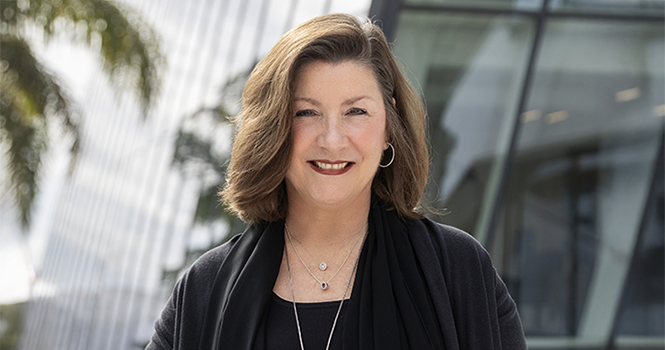
Alison Rehill Erguven, CEO of Cenomi Centers
Arabian Centres Co. (Cenomi Centers) expects to record the financial impact of Westfield Jeddah and Westfield Riyadh projects after their inauguration, CEO Alison Rehill Erguven told Argaam. 
The projects’ contribution to revenue and profit will likely increase gradually over time, she added.
She told Argaam that the Westfield Jeddah has become close to opening after completing construction works and reaching a pre-leasing rate of 96%, while Westfield Riyadh reached a construction completion rate of 99% and a pre-leasing rate of 92%.
These high pre-leasing levels provide significant visibility regarding expected demand before opening, said the top executive, noting that the financial impact during 2026 will be relatively limited due to partial operation, while the larger impact is expected to appear as the pace of asset operations increases.
She also expected that both assets will contribute materially to expanding the revenue base and EBITDA over the long term.
Regarding financial results, Erguven explained that the decline in net profit came as a direct result of higher financing costs, as the company continues to execute its expansion investments. She noted that financing costs rose to SAR 215.5 million in the first quarter, compared to SAR 162.6 million in the same period last year.
“This increase reflects the current investment phase, with continued financing of key projects, primarily Westfield Jeddah and Westfield Riyadh,” said the CEO, confirming that the pressure on net profit was not mainly due to cost of revenues or losses from associates—despite their increase—but rather primarily from financing expenses.
The company’s operating performance remained solid, as operating profit increased by 10.3% to reach SAR 436.1 million. EBITDA also rose by 4.7% to SAR 374.3 million, and by 7.2% after excluding non-recurring items to reach SAR 383.3 million, reflecting the strength of core operations, said the CEO.
Regarding revenues, she explained that the slight decline of 1.4% was mainly due to the impact of Dhahran Mall in the comparison period, noting that like-for-like revenues recorded growth of 4.9%, supported by leasing activity, stable visitor numbers, and increased advertising sales.
Erguven added that advertising sales grew by 28% to reach SAR 33.3 million, contributing to enhancing income diversification.
Regarding the new development agreement in Khobar with Saudi Downtown Company, the CEO said it comes as part of Cenomi Center’s expansion strategy through developing quality destinations in major cities, noting that Khobar remains a key market for the company, and that the Eastern Province continues to offer attractive demand fundamentals over the long term.
She added that the project supports the company’s plan to increase total gross leasable area from about 1.2 million square meters currently to 1.9 million square meters by 2029.
Regarding legal cases, she explained that cases related to Dhahran Mall are still under process and their financial impact cannot currently be estimated, confirming that there is no impact on operations or expansion plans.
As for outlook, Erguven said the company does not provide quarterly guidance, but it entered the second quarter with strong operational momentum, supported by good occupancy rates, leasing activity, and stable visitor traffic, with a focus on project execution.
She added that the core portfolio remains strong, backed by good occupancy levels, leasing activity, and stable visitor trends.
The second quarter will remain part of a transitional period, as the company continues to balance operational performance with investment in future growth, alongside the gradual launch of new projects, according to the CEO.
She also expected EBITDA to grow by about 60% over the next three years, driven by the launch of development projects, targeting revenues between SAR 2.4–2.5 billion in 2026, and EBITDA between SAR 1.6–1.7 billion.
According to Argaam data, Cenomi Centers profit declined to SAR 202.5 million by the end of Q1 2026, compared to SAR 216.9 million in the year-ago period.
Alison Rehill Erguven, CEO of Cenomi Centers
Arabian Centres Co. (Cenomi Centers) expects to record the financial impact of Westfield Jeddah and Westfield Riyadh projects after their inauguration, CEO Alison Rehill Erguven told Argaam.
The projects’ contribution to revenue and profit will likely increase gradually over time, she added.
She told Argaam that the Westfield Jeddah has become close to opening after completing construction works and reaching a pre-leasing rate of 96%, while Westfield Riyadh reached a construction completion rate of 99% and a pre-leasing rate of 92%.
These high pre-leasing levels provide significant visibility regarding expected demand before opening, said the top executive, noting that the financial impact during 2026 will be relatively limited due to partial operation, while the larger impact is expected to appear as the pace of asset operations increases.
She also expected that both assets will contribute materially to expanding the revenue base and EBITDA over the long term.
Regarding financial results, Erguven explained that the decline in net profit came as a direct result of higher financing costs, as the company continues to execute its expansion investments. She noted that financing costs rose to SAR 215.5 million in the first quarter, compared to SAR 162.6 million in the same period last year.
“This increase reflects the current investment phase, with continued financing of key projects, primarily Westfield Jeddah and Westfield Riyadh,” said the CEO, confirming that the pressure on net profit was not mainly due to cost of revenues or losses from associates—despite their increase—but rather primarily from financing expenses.
The company’s operating performance remained solid, as operating profit increased by 10.3% to reach SAR 436.1 million. EBITDA also rose by 4.7% to SAR 374.3 million, and by 7.2% after excluding non-recurring items to reach SAR 383.3 million, reflecting the strength of core operations, said the CEO.
Regarding revenues, she explained that the slight decline of 1.4% was mainly due to the impact of Dhahran Mall in the comparison period, noting that like-for-like revenues recorded growth of 4.9%, supported by leasing activity, stable visitor numbers, and increased advertising sales.
Erguven added that advertising sales grew by 28% to reach SAR 33.3 million, contributing to enhancing income diversification.
Regarding the new development agreement in Khobar with Saudi Downtown Company, the CEO said it comes as part of Cenomi Center’s expansion strategy through developing quality destinations in major cities, noting that Khobar remains a key market for the company, and that the Eastern Province continues to offer attractive demand fundamentals over the long term.
She added that the project supports the company’s plan to increase total gross leasable area from about 1.2 million square meters currently to 1.9 million square meters by 2029.
Regarding legal cases, she explained that cases related to Dhahran Mall are still under process and their financial impact cannot currently be estimated, confirming that there is no impact on operations or expansion plans.
As for outlook, Erguven said the company does not provide quarterly guidance, but it entered the second quarter with strong operational momentum, supported by good occupancy rates, leasing activity, and stable visitor traffic, with a focus on project execution.
She added that the core portfolio remains strong, backed by good occupancy levels, leasing activity, and stable visitor trends.
The second quarter will remain part of a transitional period, as the company continues to balance operational performance with investment in future growth, alongside the gradual launch of new projects, according to the CEO.
She also expected EBITDA to grow by about 60% over the next three years, driven by the launch of development projects, targeting revenues between SAR 2.4–2.5 billion in 2026, and EBITDA between SAR 1.6–1.7 billion.
According to Argaam data, Cenomi Centers profit declined to SAR 202.5 million by the end of Q1 2026, compared to SAR 216.9 million in the year-ago period.