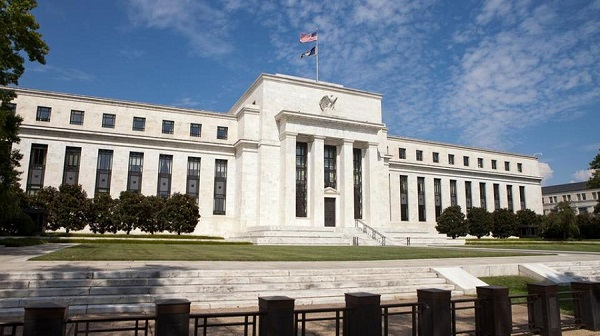
The Federal Open Market Committee meeting, which concluded on April 29, recorded the deepest split among US monetary policymakers since 1992.
At the latest meeting, chaired by Jerome Powell, where interest rates were held steady, eight members voted in favor of the decision, while four opposed it.
Federal Reserve Board Governor Stephen Miran called for a 25-basis-point rate cut. The other three agreed in principle with holding rates but objected to the tone of the statement adopted by the committee.
In its statement, the Federal Open Market Committee retained language referring to the extent and timing of additional policy adjustments, signaling a potential rate cut.
Since the Federal Reserve began its easing cycle in 2024, similar wording has typically indicated a bias among policymakers toward lowering borrowing costs, a stance opposed by the three members.
The last time four members dissented from proposed actions at an FOMC meeting was in October 1992.
The Federal Open Market Committee meeting, which concluded on April 29, recorded the deepest split among US monetary policymakers since 1992.
At the latest meeting, chaired by Jerome Powell, where interest rates were held steady, eight members voted in favor of the decision, while four opposed it.
Federal Reserve Board Governor Stephen Miran called for a 25-basis-point rate cut. The other three agreed in principle with holding rates but objected to the tone of the statement adopted by the committee.
In its statement, the Federal Open Market Committee retained language referring to the extent and timing of additional policy adjustments, signaling a potential rate cut.
Since the Federal Reserve began its easing cycle in 2024, similar wording has typically indicated a bias among policymakers toward lowering borrowing costs, a stance opposed by the three members.
The last time four members dissented from proposed actions at an FOMC meeting was in October 1992.