Under El-Kuwaiz, Saudi Arabia’s capital market expanded in size and depth, opened further to foreign investors, strengthened investor protection and surpassed SAR 1.2 trillion in assets.
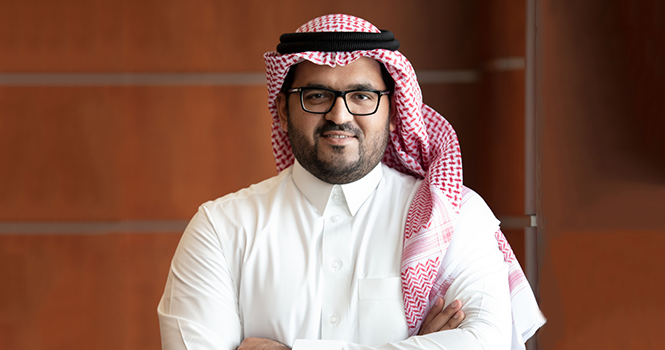
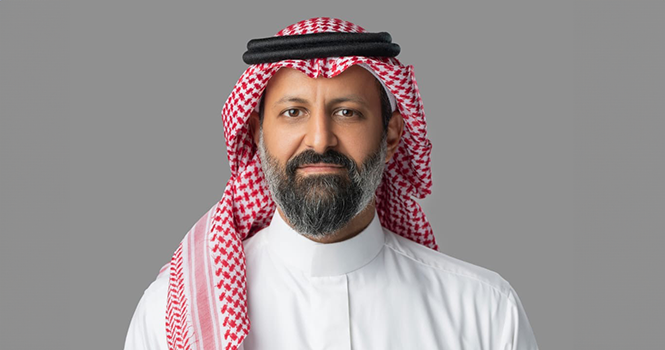
Mohammed El-Kuwaiz ended a nearly nine-year tenure at the helm of the Saudi Capital Market Authority (CMA) on August 13, 2026, following a Royal Order issued on the same date relieving him of his position and appointing Mazen Al-Sudairi as Chairman of the authority’s board. 
El-Kuwaiz was appointed Chairman of the CMA in July 2017, becoming its fifth chairman. During his tenure, Saudi Arabia’s capital market underwent significant developments in regulation, size, breadth and inclusiveness, as well as greater openness to foreign investment.
The market became deeper as the CMA facilitated and encouraged companies to list on both the Main Market and Nomu-Parallel Market. Since 2017, the number of companies listed on the Main Market rose from around 176 to 270, while Nomu listings increased from nine in July 2017 to 125.
IPOs and listings also expanded significantly, with the CMA approving 60 offering and registration applications in 2024 alone, while 44 listings were completed across the Main Market and Nomu. In 2019, Saudi Aramco shares were listed on the Saudi market in one of the world’s largest IPOs.
The CMA also developed the sukuk and debt market, with 2018 witnessing the first listing of debt instruments issued by the Saudi government. The market subsequently expanded significantly to become an important source of financing.
At the same time, the regulatory environment and investor protection framework were strengthened through the development of corporate governance and market conduct regulations, securities offering and continuing obligations rules, merger and acquisition regulations, as well as rules governing investment funds and capital market institutions.
Another major development was Saudi Arabia’s inclusion in global market indices. In 2018, MSCI, FTSE Russell and SP Dow Jones approved the classification of the Saudi market as an emerging market, with the market’s inclusion in the respective indices beginning in 2019.
The CMA also gradually eased restrictions on foreign investors, streamlined qualification and account-opening procedures, and allowed direct investment in debt instruments. This culminated in the opening of the Saudi capital market to all
categories of foreign investors from February 1, 2026, following the CMA board’s approval of a regulatory framework allowing non-resident foreign investors to directly invest in the Main Market.
As a result, foreign investors’ ownership in the market increased from around SAR 70 billion in 2017 to approximately SAR 450 billion in August 2026.
During the same period, the CMA enhanced its oversight of listed companies, capital market institutions and investors, while strengthening transparency in investment and trading. This resulted in action against numerous violations committed by companies, investors and others, including referring cases to the Public Prosecution and imposing fines on violators. The CMA also allowed class actions against violators to seek compensation for damages resulting from their misconduct.
In 2025, the CMA introduced compensation funds as an additional mechanism alongside existing individual and class actions filed before the committees for resolution of securities disputes.
This followed the development of digital infrastructure and procedural frameworks to bridge public and private rights. Compensation has already been paid to numerous affected investors, including more than 20,000 investors affected by violations involving Al Kathiri and Anaam Holding shares in June 2026.
The asset management industry also recorded significant growth during El-Kuwaiz’s tenure, with assets under management rising from around SAR 391 billion at the end of 2017 to more than SAR 1 trillion for the first time in 2024, before exceeding SAR 1.2 trillion in 2025.
The number of investment funds also more than tripled during the period, while the CMA, in cooperation with the Saudi Central Bank (SAMA), supported the establishment and growth of fintech companies and launched a fintech laboratory in 2017, contributing to a significant expansion in the number of such companies operating in the market.
Under El-Kuwaiz, Saudi Arabia’s capital market expanded in size and depth, opened further to foreign investors, strengthened investor protection and surpassed SAR 1.2 trillion in assets.
Mohammed El-Kuwaiz ended a nearly nine-year tenure at the helm of the Saudi Capital Market Authority (CMA) on August 13, 2026, following a Royal Order issued on the same date relieving him of his position and appointing Mazen Al-Sudairi as Chairman of the authority’s board.
El-Kuwaiz was appointed Chairman of the CMA in July 2017, becoming its fifth chairman. During his tenure, Saudi Arabia’s capital market underwent significant developments in regulation, size, breadth and inclusiveness, as well as greater openness to foreign investment.
The market became deeper as the CMA facilitated and encouraged companies to list on both the Main Market and Nomu-Parallel Market. Since 2017, the number of companies listed on the Main Market rose from around 176 to 270, while Nomu listings increased from nine in July 2017 to 125.
IPOs and listings also expanded significantly, with the CMA approving 60 offering and registration applications in 2024 alone, while 44 listings were completed across the Main Market and Nomu. In 2019, Saudi Aramco shares were listed on the Saudi market in one of the world’s largest IPOs.
The CMA also developed the sukuk and debt market, with 2018 witnessing the first listing of debt instruments issued by the Saudi government. The market subsequently expanded significantly to become an important source of financing.
At the same time, the regulatory environment and investor protection framework were strengthened through the development of corporate governance and market conduct regulations, securities offering and continuing obligations rules, merger and acquisition regulations, as well as rules governing investment funds and capital market institutions.
Another major development was Saudi Arabia’s inclusion in global market indices. In 2018, MSCI, FTSE Russell and SP Dow Jones approved the classification of the Saudi market as an emerging market, with the market’s inclusion in the respective indices beginning in 2019.
The CMA also gradually eased restrictions on foreign investors, streamlined qualification and account-opening procedures, and allowed direct investment in debt instruments. This culminated in the opening of the Saudi capital market to all
categories of foreign investors from February 1, 2026, following the CMA board’s approval of a regulatory framework allowing non-resident foreign investors to directly invest in the Main Market.
As a result, foreign investors’ ownership in the market increased from around SAR 70 billion in 2017 to approximately SAR 450 billion in August 2026.
During the same period, the CMA enhanced its oversight of listed companies, capital market institutions and investors, while strengthening transparency in investment and trading. This resulted in action against numerous violations committed by companies, investors and others, including referring cases to the Public Prosecution and imposing fines on violators. The CMA also allowed class actions against violators to seek compensation for damages resulting from their misconduct.
In 2025, the CMA introduced compensation funds as an additional mechanism alongside existing individual and class actions filed before the committees for resolution of securities disputes.
This followed the development of digital infrastructure and procedural frameworks to bridge public and private rights. Compensation has already been paid to numerous affected investors, including more than 20,000 investors affected by violations involving Al Kathiri and Anaam Holding shares in June 2026.
The asset management industry also recorded significant growth during El-Kuwaiz’s tenure, with assets under management rising from around SAR 391 billion at the end of 2017 to more than SAR 1 trillion for the first time in 2024, before exceeding SAR 1.2 trillion in 2025.
The number of investment funds also more than tripled during the period, while the CMA, in cooperation with the Saudi Central Bank (SAMA), supported the establishment and growth of fintech companies and launched a fintech laboratory in 2017, contributing to a significant expansion in the number of such companies operating in the market.