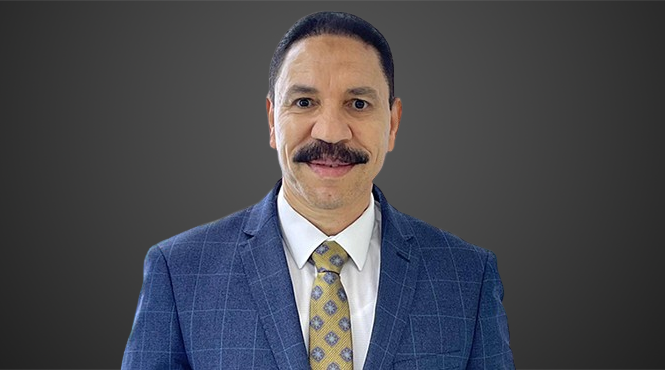
Mohammed Darweesh, CEO of East Pipes, said the company is currently focusing on executing strategic oil and gas pipeline rehabilitation projects
Mohammed Darweesh, CEO of East Pipes Integrated Company for Industry (East Pipes), said that the underlying demand for the company’s products in water and energy infrastructure projects remains robust in both the short and long term, adding that the positive momentum will continue. 
In an interview with Argaam, Darweesh highlighted that East Pipes is currently focusing on executing strategic oil and gas pipeline rehabilitation projects, particularly those associated with the East–West Pipeline and Master Gas 3, alongside strategic water infrastructure projects, including those related to the Qiddiya project.
The CEO further said that the management believes the company is well positioned to expand its business and enhance profitability in the coming periods. He explained that the continued uncertainty surrounding the Strait of Hormuz is encouraging GCC countries and neighboring markets to develop parallel pipeline networks and shared storage infrastructure, creating opportunities beyond the company’s existing projects.
The Jafurah gas field development represents another major growth driver, as it focuses on constructing new pipeline networks rather than simply upgrading existing assets, generating significant demand for helical submerged arc welding (HSAW) pipes, the CEO said.
Darweesh also noted that the company’s outlook remains positive, highlighting that part of the increase in logistics costs may affect next quarter’s financial results.
However, East Pipes’ cost recovery claims — already underway — are progressing well and are expected to offset much of this impact over the coming quarters.
Interview excerpts
East Pipes reported a 36.2% year-on-year increase in net profit for Q1 2026/2027 to SAR 122.9 million. What were the key operational and financial drivers behind this performance?
This performance was primarily driven by an improved project and product mix, which positively impacted profitability. In addition, the company’s disciplined adherence to scheduled project execution increased both sales volumes and sales value, resulting in stronger operating earnings.
Further support came from prudent cost optimization across selected expense categories, reflecting the strength of the company’s financial position and its debt-free balance sheet. Collectively, these factors contributed to approximately 32% YoY growth in EBITDA, while maintaining a broadly stable gross profit margin of approximately 28%. In addition, the company saw a 36.2% improvement in the net profit margin compared with the same period last year.
Revenue increased by 35%, driven by higher sales volumes and higher average selling prices. To what extent did each of these factors contribute to revenue growth? How did the company’s plants perform in terms of capacity utilization during the quarter?
Both higher sales volumes and an increase in average selling prices contributed to the revenue growth, although the relative contribution of each factor varies depending on the nature of projects and the sector mix during each reporting period.
The company’s manufacturing facilities operated at robust utilization levels throughout the quarter, enabling us to meet delivery schedules across both the gas and water sectors. Our manufacturing capacity was efficiently utilized to support execution of the current order pipeline. For reference, industry-wide utilization
rates typically range between 65% and 70%, whereas our utilization levels remain significantly above that range.
How have geopolitical tensions affected the company’s business in terms of demand, supply chains, and freight costs?
The primary impact of recent geopolitical developments has been on supply chains and logistics costs rather than on underlying demand.
The company has rerouted raw material imports through the ports of Jeddah and Yanbu, resulting in higher freight, handling, and insurance costs. We are currently pursuing recovery of these additional costs through the contractual mechanisms agreed with our customers, where contractual conditions permit.
On the demand side, the impact has been limited to postponing the award timing of certain water projects from 2026 to 2027, with no reduction in underlying demand. At the same time, these disruptions have created new opportunities in the oil and gas sector, as Gulf countries increasingly pursue parallel and cross-border pipeline infrastructure projects.
Does the company currently have contracts related to Saudi Aramco’s East–West Pipeline project?
Yes. A significant portion of the company’s current order book relates to oil and gas projects, including the rehabilitation of the East–West Pipeline, which remains one of the company’s key projects currently under execution. In addition, we expect to receive new requests for quotations within the same scope of work, reflecting the continued pipeline of opportunities associated with this strategic project.
What are your expectations for demand and the company’s performance during the coming quarter?
Our outlook remains positive. We are entering the next phase with a strong, debt-free balance sheet, a record cash balance of around SAR 800 million, and free cash flow of SAR 248 million (representing a 47.6% margin). This provides the financial flexibility to absorb temporary cost timing differences while continuing to invest throughout the economic cycle.
Although limited vessel berthing availability at Jeddah Port continues to pose operational challenges for imported raw materials, we have prioritized accelerating inland transportation to our manufacturing facilities by utilizing multiple logistics service providers.
Part of the increase in logistics costs may affect next quarter’s financial results. However, our cost recovery claims — already underway — are progressing well and are expected to offset much of this impact over the coming quarters.
Our current operational focus remains on executing strategic oil and gas pipeline rehabilitation projects, particularly those associated with the East–West Pipeline and Master Gas 3, alongside strategic water infrastructure projects, including those related to the Qiddiya project.
Beyond these short-term challenges, underlying demand for the company’s products in water and energy infrastructure projects remains robust in both the short and long term. We remain confident that this positive momentum will continue.
Management believes the company is well positioned to expand its business and enhance profitability in the coming periods for several reasons, such as continued uncertainty surrounding the Strait of Hormuz encouraging GCC countries and neighboring markets to develop parallel pipeline networks and shared storage infrastructure, creating opportunities beyond the Company’s existing projects.
The Jafurah gas field development represents another major growth driver, as it focuses on constructing new pipeline networks rather than simply upgrading existing assets, generating significant demand for HSAW pipes.
Saudi Aramco’s approximately $11 billion lease-and-leaseback transaction with a consortium led by Global Infrastructure Partners (GIP), part of BlackRock, underscores the long-term capital commitment to gas infrastructure. Additional studies on new water security projects, together with Master Gas 4 and water projects, such as Riyadh–Qassim, Jubail-Burydah, and Ras Mohaisen, are also expected to support future business opportunities.
Certain water sector projects originally expected to be awarded in 2026 have been rescheduled to 2027. This represents a timing delay only and does not reflect any deterioration in underlying demand. We remain optimistic regarding the upcoming project award cycle. Any new contract with a material financial impact will be announced promptly upon formal confirmation in accordance with applicable disclosure requirements.
Does the company remain committed to maintaining a debt-free balance sheet?
Maintaining a debt-free balance sheet is not an objective in itself. Rather, the company’s capital structure will be evaluated in line with its long-term strategic direction and investment requirements, which will be determined following the ongoing review of its expansion plans and future production capacity needs.
Mohammed Darweesh, CEO of East Pipes, said the company is currently focusing on executing strategic oil and gas pipeline rehabilitation projects
Mohammed Darweesh, CEO of East Pipes Integrated Company for Industry (East Pipes), said that the underlying demand for the company’s products in water and energy infrastructure projects remains robust in both the short and long term, adding that the positive momentum will continue.
In an interview with Argaam, Darweesh highlighted that East Pipes is currently focusing on executing strategic oil and gas pipeline rehabilitation projects, particularly those associated with the East–West Pipeline and Master Gas 3, alongside strategic water infrastructure projects, including those related to the Qiddiya project.
The CEO further said that the management believes the company is well positioned to expand its business and enhance profitability in the coming periods. He explained that the continued uncertainty surrounding the Strait of Hormuz is encouraging GCC countries and neighboring markets to develop parallel pipeline networks and shared storage infrastructure, creating opportunities beyond the company’s existing projects.
The Jafurah gas field development represents another major growth driver, as it focuses on constructing new pipeline networks rather than simply upgrading existing assets, generating significant demand for helical submerged arc welding (HSAW) pipes, the CEO said.
Darweesh also noted that the company’s outlook remains positive, highlighting that part of the increase in logistics costs may affect next quarter’s financial results.
However, East Pipes’ cost recovery claims — already underway — are progressing well and are expected to offset much of this impact over the coming quarters.
Interview excerpts
East Pipes reported a 36.2% year-on-year increase in net profit for Q1 2026/2027 to SAR 122.9 million. What were the key operational and financial drivers behind this performance?
This performance was primarily driven by an improved project and product mix, which positively impacted profitability. In addition, the company’s disciplined adherence to scheduled project execution increased both sales volumes and sales value, resulting in stronger operating earnings.
Further support came from prudent cost optimization across selected expense categories, reflecting the strength of the company’s financial position and its debt-free balance sheet. Collectively, these factors contributed to approximately 32% YoY growth in EBITDA, while maintaining a broadly stable gross profit margin of approximately 28%. In addition, the company saw a 36.2% improvement in the net profit margin compared with the same period last year.
Revenue increased by 35%, driven by higher sales volumes and higher average selling prices. To what extent did each of these factors contribute to revenue growth? How did the company’s plants perform in terms of capacity utilization during the quarter?
Both higher sales volumes and an increase in average selling prices contributed to the revenue growth, although the relative contribution of each factor varies depending on the nature of projects and the sector mix during each reporting period.
The company’s manufacturing facilities operated at robust utilization levels throughout the quarter, enabling us to meet delivery schedules across both the gas and water sectors. Our manufacturing capacity was efficiently utilized to support execution of the current order pipeline. For reference, industry-wide utilization
rates typically range between 65% and 70%, whereas our utilization levels remain significantly above that range.
How have geopolitical tensions affected the company’s business in terms of demand, supply chains, and freight costs?
The primary impact of recent geopolitical developments has been on supply chains and logistics costs rather than on underlying demand.
The company has rerouted raw material imports through the ports of Jeddah and Yanbu, resulting in higher freight, handling, and insurance costs. We are currently pursuing recovery of these additional costs through the contractual mechanisms agreed with our customers, where contractual conditions permit.
On the demand side, the impact has been limited to postponing the award timing of certain water projects from 2026 to 2027, with no reduction in underlying demand. At the same time, these disruptions have created new opportunities in the oil and gas sector, as Gulf countries increasingly pursue parallel and cross-border pipeline infrastructure projects.
Does the company currently have contracts related to Saudi Aramco’s East–West Pipeline project?
Yes. A significant portion of the company’s current order book relates to oil and gas projects, including the rehabilitation of the East–West Pipeline, which remains one of the company’s key projects currently under execution. In addition, we expect to receive new requests for quotations within the same scope of work, reflecting the continued pipeline of opportunities associated with this strategic project.
What are your expectations for demand and the company’s performance during the coming quarter?
Our outlook remains positive. We are entering the next phase with a strong, debt-free balance sheet, a record cash balance of around SAR 800 million, and free cash flow of SAR 248 million (representing a 47.6% margin). This provides the financial flexibility to absorb temporary cost timing differences while continuing to invest throughout the economic cycle.
Although limited vessel berthing availability at Jeddah Port continues to pose operational challenges for imported raw materials, we have prioritized accelerating inland transportation to our manufacturing facilities by utilizing multiple logistics service providers.
Part of the increase in logistics costs may affect next quarter’s financial results. However, our cost recovery claims — already underway — are progressing well and are expected to offset much of this impact over the coming quarters.
Our current operational focus remains on executing strategic oil and gas pipeline rehabilitation projects, particularly those associated with the East–West Pipeline and Master Gas 3, alongside strategic water infrastructure projects, including those related to the Qiddiya project.
Beyond these short-term challenges, underlying demand for the company’s products in water and energy infrastructure projects remains robust in both the short and long term. We remain confident that this positive momentum will continue.
Management believes the company is well positioned to expand its business and enhance profitability in the coming periods for several reasons, such as continued uncertainty surrounding the Strait of Hormuz encouraging GCC countries and neighboring markets to develop parallel pipeline networks and shared storage infrastructure, creating opportunities beyond the Company’s existing projects.
The Jafurah gas field development represents another major growth driver, as it focuses on constructing new pipeline networks rather than simply upgrading existing assets, generating significant demand for HSAW pipes.
Saudi Aramco’s approximately $11 billion lease-and-leaseback transaction with a consortium led by Global Infrastructure Partners (GIP), part of BlackRock, underscores the long-term capital commitment to gas infrastructure. Additional studies on new water security projects, together with Master Gas 4 and water projects, such as Riyadh–Qassim, Jubail-Burydah, and Ras Mohaisen, are also expected to support future business opportunities.
Certain water sector projects originally expected to be awarded in 2026 have been rescheduled to 2027. This represents a timing delay only and does not reflect any deterioration in underlying demand. We remain optimistic regarding the upcoming project award cycle. Any new contract with a material financial impact will be announced promptly upon formal confirmation in accordance with applicable disclosure requirements.
Does the company remain committed to maintaining a debt-free balance sheet?
Maintaining a debt-free balance sheet is not an objective in itself. Rather, the company’s capital structure will be evaluated in line with its long-term strategic direction and investment requirements, which will be determined following the ongoing review of its expansion plans and future production capacity needs.