Birol warns a prolonged closure of the Strait of Hormuz could disrupt the global economy within weeks
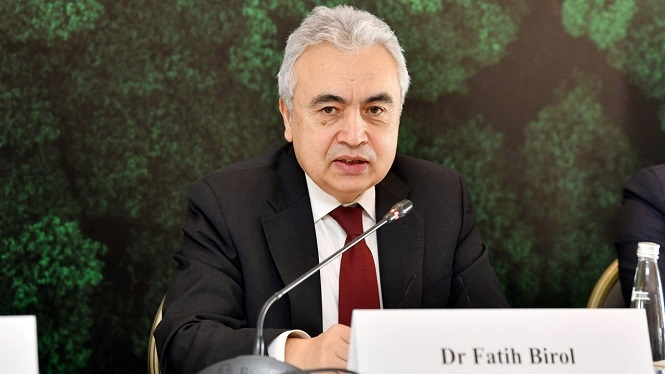
International Energy Agency (IEA) Executive Director Fatih Birol warned that the global economy could face renewed disruption if the conflict that has severely affected shipping through the Strait of Hormuz is not resolved within weeks, Bloomberg reported. 
Speaking on the sidelines of the Aspen Security Forum in Colorado, Birol said financial markets remain under pressure amid escalating attacks by both sides, creating “extreme uncertainty” and threatening shipments of oil, fertilizers, natural gas and other goods transported through the strategic waterway.
“If the Strait of Hormuz remains closed, we could once again face difficulties in the global economy He added that the situation should be resolved within weeks—not months—and that the strait should be fully reopened without conditions,” Birol said.
While countries such as South Korea and Japan would be affected by disruptions to energy and raw material supplies from the Gulf, Birol said states including Bangladesh, Pakistan and India are even more vulnerable to such supply interruptions.
Birol warns a prolonged closure of the Strait of Hormuz could disrupt the global economy within weeks
International Energy Agency (IEA) Executive Director Fatih Birol warned that the global economy could face renewed disruption if the conflict that has severely affected shipping through the Strait of Hormuz is not resolved within weeks, Bloomberg reported.
Speaking on the sidelines of the Aspen Security Forum in Colorado, Birol said financial markets remain under pressure amid escalating attacks by both sides, creating “extreme uncertainty” and threatening shipments of oil, fertilizers, natural gas and other goods transported through the strategic waterway.
“If the Strait of Hormuz remains closed, we could once again face difficulties in the global economy He added that the situation should be resolved within weeks—not months—and that the strait should be fully reopened without conditions,” Birol said.
While countries such as South Korea and Japan would be affected by disruptions to energy and raw material supplies from the Gulf, Birol said states including Bangladesh, Pakistan and India are even more vulnerable to such supply interruptions.