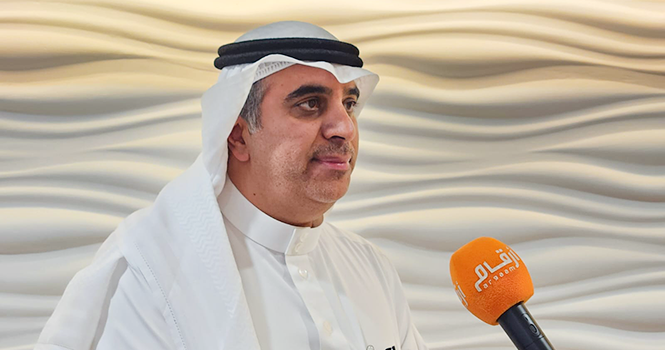
Fatih Birol,International Energy Agency (IEA) Executive Director
The reputation of the Strait of Hormuz as a reliable artery for global energy trade may be permanently damaged by its prolonged closure, International Energy Agency (IEA) Executive Director Fatih Birol said. 
Even if movement is restored, “the vase has been broken. You can’t glue it back together,” Birol said, warning that the disruption has undermined confidence in what was once one of the world’s most critical oil and gas choke points. “If it was once closed, it can be closed again,” according to Bloomberg.
“We are going through a historical period in terms of energy, foreign policy and geopolitics,” he said. “The world is going to understand very soon that it has devastating consequences for our economy.”
Birol noted that continued trade disruptions through the strait could push oil and gas prices even higher, which could exacerbate inflationary pressures and negatively affect economic growth rates in many countries.
Fatih Birol,International Energy Agency (IEA) Executive Director
The reputation of the Strait of Hormuz as a reliable artery for global energy trade may be permanently damaged by its prolonged closure, International Energy Agency (IEA) Executive Director Fatih Birol said.
Even if movement is restored, “the vase has been broken. You can’t glue it back together,” Birol said, warning that the disruption has undermined confidence in what was once one of the world’s most critical oil and gas choke points. “If it was once closed, it can be closed again,” according to Bloomberg.
“We are going through a historical period in terms of energy, foreign policy and geopolitics,” he said. “The world is going to understand very soon that it has devastating consequences for our economy.”
Birol noted that continued trade disruptions through the strait could push oil and gas prices even higher, which could exacerbate inflationary pressures and negatively affect economic growth rates in many countries.