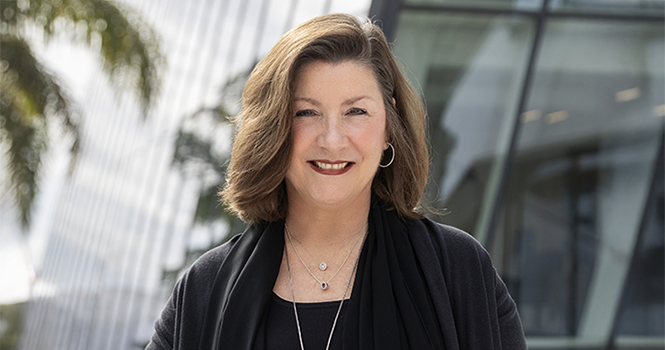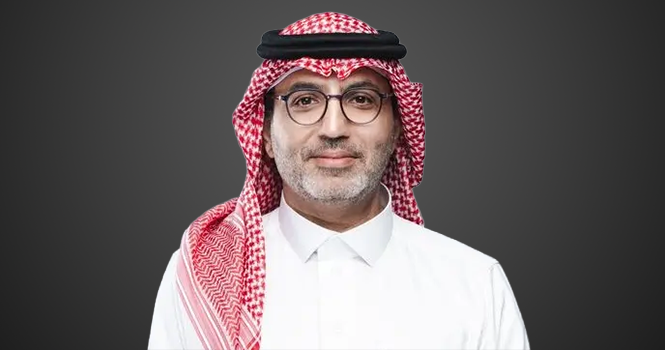
Faisal Al-Sarraj, PwC KSA Deputy Country Leader
The latest annual report on Saudi Vision 2030 shows faster economic transformation with sustained strong performance even nearly a decade after the Vision was launched, PwC KSA Deputy Country Leader Faisal Al-Sarraj told Argaam. 
The transformation is no longer measured by growth alone, but also by diversification, employment, investment and quality of life, he noted.
Non-oil activities account for about 55% of gross domestic product (GDP) and the private sector contributes roughly 51%–signaling a shift toward a more balanced economy.
This is supported by stronger business confidence, with 94% of Saudi CEOs confident in domestic growth and 73% planning major acquisitions in 2026, according to PwC’s 29th Annual Global CEO Survey.
Al-Sarraj said the 2025 report on the Vision reflects a more mature phase, with 93% of key performance indicators met or exceeded and around 90% of initiatives completed or on track, highlighting execution efficiency.
On the business environment, he said Saudi Arabia has made notable progress, with clearer regulations and governance frameworks enabling companies to plan confidently and commit to long-term investments.
Labor market conditions have improved, with unemployment declining to about 7.2%, indicating a more active and engaged workforce.
He added that companies are expanding into new and adjacent sectors, with greater reliance on innovation and MA. Women’s participation has risen to around 35%, strengthening the national talent base.
Saudi Arabia stands out for the speed of execution compared to other markets, supported by strong coordination across entities that allows policies to be implemented quickly.
More than 1,000 reforms have been introduced, accelerating development in tourism, infrastructure and industry, he added.
Looking ahead, Al-Sarraj said the focus will be on strengthening institutional capabilities, developing skills and deepening economic activity to convert current momentum into sustainable long-term value.
He added that the Kingdom is building human capital alongside economic growth, with improvements in employment and participation, while the focus is shifting toward quality, sustainability and maintaining momentum.
Faisal Al-Sarraj, PwC KSA Deputy Country Leader
The latest annual report on Saudi Vision 2030 shows faster economic transformation with sustained strong performance even nearly a decade after the Vision was launched, PwC KSA Deputy Country Leader Faisal Al-Sarraj told Argaam.
The transformation is no longer measured by growth alone, but also by diversification, employment, investment and quality of life, he noted.
Non-oil activities account for about 55% of gross domestic product (GDP) and the private sector contributes roughly 51%–signaling a shift toward a more balanced economy.
This is supported by stronger business confidence, with 94% of Saudi CEOs confident in domestic growth and 73% planning major acquisitions in 2026, according to PwC’s 29th Annual Global CEO Survey.
Al-Sarraj said the 2025 report on the Vision reflects a more mature phase, with 93% of key performance indicators met or exceeded and around 90% of initiatives completed or on track, highlighting execution efficiency.
On the business environment, he said Saudi Arabia has made notable progress, with clearer regulations and governance frameworks enabling companies to plan confidently and commit to long-term investments.
Labor market conditions have improved, with unemployment declining to about 7.2%, indicating a more active and engaged workforce.
He added that companies are expanding into new and adjacent sectors, with greater reliance on innovation and MA. Women’s participation has risen to around 35%, strengthening the national talent base.
Saudi Arabia stands out for the speed of execution compared to other markets, supported by strong coordination across entities that allows policies to be implemented quickly.
More than 1,000 reforms have been introduced, accelerating development in tourism, infrastructure and industry, he added.
Looking ahead, Al-Sarraj said the focus will be on strengthening institutional capabilities, developing skills and deepening economic activity to convert current momentum into sustainable long-term value.
He added that the Kingdom is building human capital alongside economic growth, with improvements in employment and participation, while the focus is shifting toward quality, sustainability and maintaining momentum.