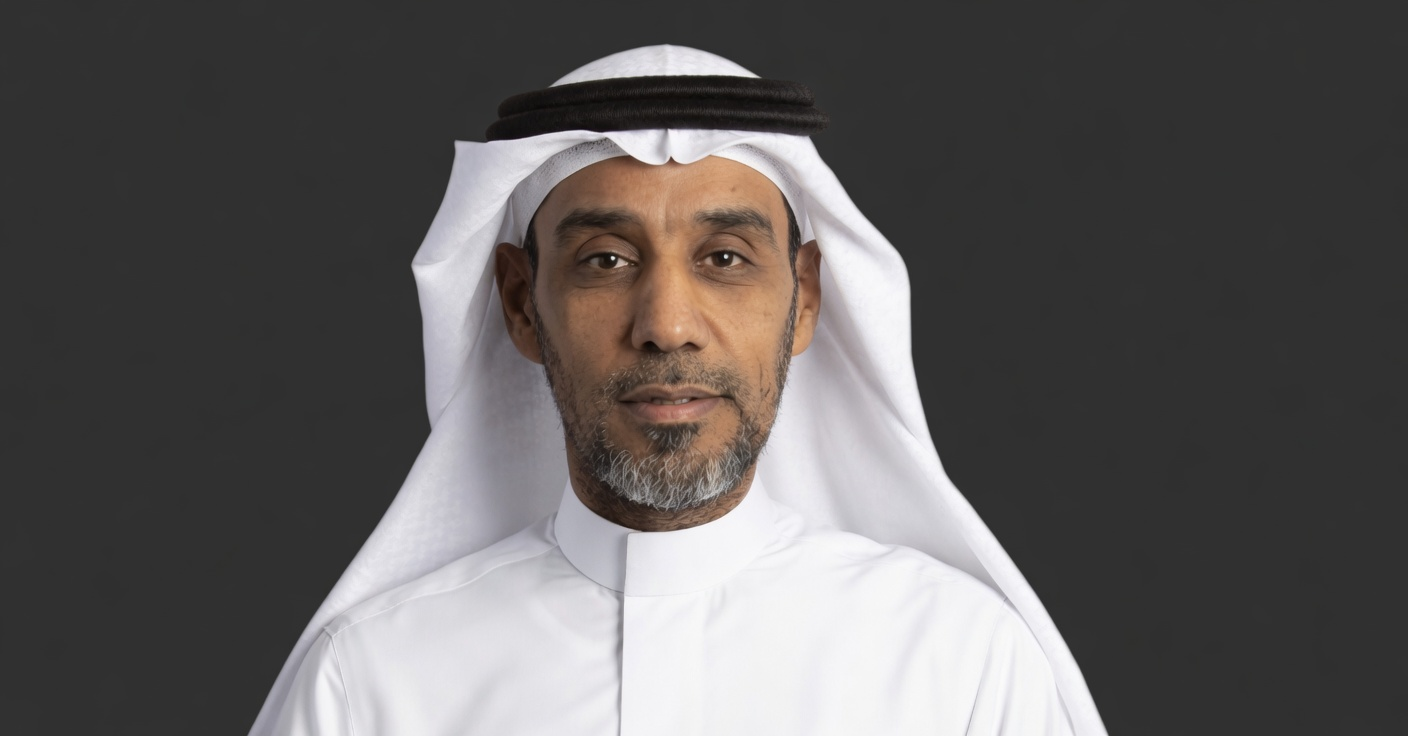
Ahmed Al-Theyab, Chairman of Zahrat Al Waha for Trading Co.
Ahmed Al-Theyab, Chairman of Zahrat Al Waha for Trading Co., said the company expects demand to rise during Q2 2026, particularly during the Hajj season, which is expected to support sales growth during the period. 
Al-Theyab told Argaam that the company’s continued efficient supply chain management, along with optimizing production capacity utilization and maintaining its current pricing policy, will support improved profitability. He added that the impact is expected to be reflected in a balanced manner on both revenues and margins over the coming periods.
Zahrat Al Waha faced higher raw material prices and shipping costs during Q1 2026 due to regional developments, the Chairman said, stressing that the company maintained a strategic inventory of raw materials and finished products to meet demand, particularly during peak seasons.
Al-Theyab said inventory coverage currently ranges between 45 and 60 days, adding that part of the inventory was built before prices increased, which helped mitigate the impact of higher costs during the current period. He expects this strategy to continue supporting profitability going forward.
Commenting on the company’s financial results, the Chairman said the 205% surge in net profit during Q1 2026 was driven by improved operational efficiency, better utilization of production capacities, effective inventory management, and lower costs.
He added that the company’s cost of goods sold reached one of its best levels at 88% of net sales, compared to 97% in the same quarter of 2025.
The recovery of Zakat payments and certain customs duties supported profitability during the period, Al-Theyab said.
He added that operational factors related to efficiency improvements and cost reductions are sustainable due to the implementation of ongoing operational and administrative plans, while gains related to recoveries are non-recurring in nature.
Regarding the company’s debts, he said short-term loans stood at around SAR 163 million and are used to finance working capital, while long-term loans amounted to about SAR 4.68 million, which the company had obtained in previous years to finance capital expansions.
Zahrat Al Waha managed to reduce its long-term loan balance by 20% as of March 31, 2026, compared to the of 2025, as part of a strategy aimed at lowering debt and relying more on self-financing for expansions.
He noted that the company began implementing this strategy around five years ago, which helped reduce financing costs while improving profitability, performance indicators, and financial solvency.
On the dividend policy, Al-Theyab said the company updated its dividend distribution policy, which the board approved at the end of last year as part of a broader plan to update policies and procedures.
He explained that the update aims to align the dividend policy with the Corporate Governance Regulations and related amendments to protect investors’ interests.
Ahmed Al-Theyab, Chairman of Zahrat Al Waha for Trading Co.
Ahmed Al-Theyab, Chairman of Zahrat Al Waha for Trading Co., said the company expects demand to rise during Q2 2026, particularly during the Hajj season, which is expected to support sales growth during the period.
Al-Theyab told Argaam that the company’s continued efficient supply chain management, along with optimizing production capacity utilization and maintaining its current pricing policy, will support improved profitability. He added that the impact is expected to be reflected in a balanced manner on both revenues and margins over the coming periods.
Zahrat Al Waha faced higher raw material prices and shipping costs during Q1 2026 due to regional developments, the Chairman said, stressing that the company maintained a strategic inventory of raw materials and finished products to meet demand, particularly during peak seasons.
Al-Theyab said inventory coverage currently ranges between 45 and 60 days, adding that part of the inventory was built before prices increased, which helped mitigate the impact of higher costs during the current period. He expects this strategy to continue supporting profitability going forward.
Commenting on the company’s financial results, the Chairman said the 205% surge in net profit during Q1 2026 was driven by improved operational efficiency, better utilization of production capacities, effective inventory management, and lower costs.
He added that the company’s cost of goods sold reached one of its best levels at 88% of net sales, compared to 97% in the same quarter of 2025.
The recovery of Zakat payments and certain customs duties supported profitability during the period, Al-Theyab said.
He added that operational factors related to efficiency improvements and cost reductions are sustainable due to the implementation of ongoing operational and administrative plans, while gains related to recoveries are non-recurring in nature.
Regarding the company’s debts, he said short-term loans stood at around SAR 163 million and are used to finance working capital, while long-term loans amounted to about SAR 4.68 million, which the company had obtained in previous years to finance capital expansions.
Zahrat Al Waha managed to reduce its long-term loan balance by 20% as of March 31, 2026, compared to the of 2025, as part of a strategy aimed at lowering debt and relying more on self-financing for expansions.
He noted that the company began implementing this strategy around five years ago, which helped reduce financing costs while improving profitability, performance indicators, and financial solvency.
On the dividend policy, Al-Theyab said the company updated its dividend distribution policy, which the board approved at the end of last year as part of a broader plan to update policies and procedures.
He explained that the update aims to align the dividend policy with the Corporate Governance Regulations and related amendments to protect investors’ interests.