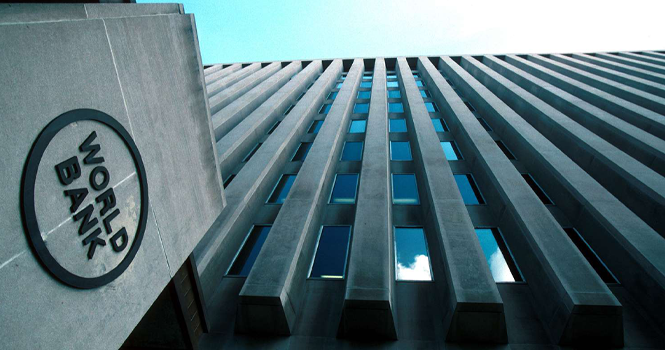
World Bank Groupheadquarter
An escalation of the war in the Middle East could slow global economic growth to 1.3% in 2026, compared with 2.9% in 2025, Indermit Gill, Chief Economist of the World Bank Group, warned. 
The conflict could reignite inflation and push interest rates to higher levels, he added.
In an interview with Reuters, Gill said the World Bank outlined three scenarios in its economic outlook released in June.
However, the worst-case scenario, which assumes the war continues for six months or more, is now becoming increasingly likely, he said, adding that global inflation could rise to 4.5% under this scenario.
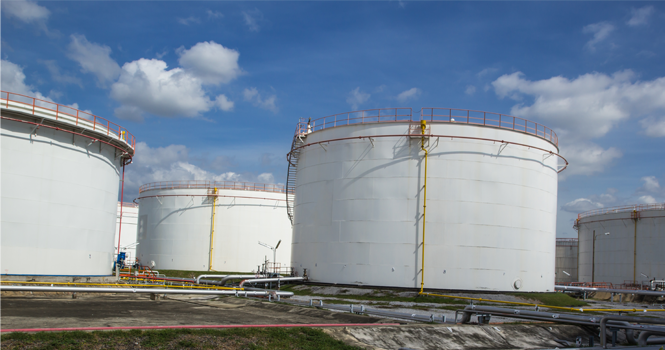
He added that continued military exchanges and damage to the region’s oil infrastructure would worsen food insecurity by disrupting shipments of fertilizers, helium, and sulfur used in agriculture.
Poorer countries, which have not fully recovered from the repercussions of the COVID-19 pandemic, would be the most vulnerable to a worsening food crisis, he said.
Meanwhile, heavily indebted countries would face higher borrowing costs, putting pressure on spending on education, healthcare, and essential services.
World Bank Groupheadquarter
An escalation of the war in the Middle East could slow global economic growth to 1.3% in 2026, compared with 2.9% in 2025, Indermit Gill, Chief Economist of the World Bank Group, warned.
The conflict could reignite inflation and push interest rates to higher levels, he added.
In an interview with Reuters, Gill said the World Bank outlined three scenarios in its economic outlook released in June.
However, the worst-case scenario, which assumes the war continues for six months or more, is now becoming increasingly likely, he said, adding that global inflation could rise to 4.5% under this scenario.
He added that continued military exchanges and damage to the region’s oil infrastructure would worsen food insecurity by disrupting shipments of fertilizers, helium, and sulfur used in agriculture.
Poorer countries, which have not fully recovered from the repercussions of the COVID-19 pandemic, would be the most vulnerable to a worsening food crisis, he said.
Meanwhile, heavily indebted countries would face higher borrowing costs, putting pressure on spending on education, healthcare, and essential services.