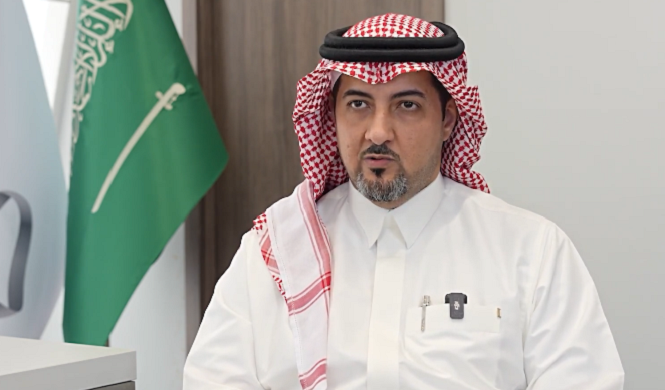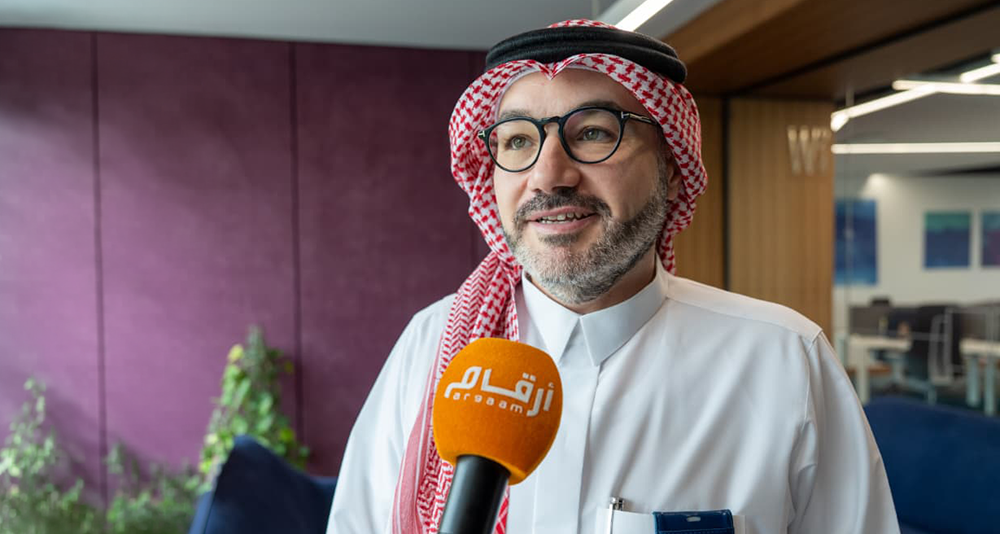
Ismail Dahham Alani, Head of Government and Public Sector at KPMG Middle East
Ismail Dahham Alani, Head of Government and Public Sector at KPMG Middle East, said the Saudi economy is showing a marked improvement in transformation indicators, supported by progress in non-oil activities and a decline in unemployment, as Vision 2030 programs are implemented. 
Alani told Argaam that the unemployment rate among Saudis has fallen to around 7.2%, compared with about 12.3% in 2016, despite a significant increase in labor market entrants, including higher female participation. This, he said, reflects the economy’s ability to generate new jobs and absorb labor force growth.
Unemployment falls despite more entrants
He noted that the improvement in the labor market was driven by several factors, including the spillover of growth across sectors into job creation, improved labor market efficiency, and enhanced competitiveness of national talent, despite the attraction of high-quality global expertise. This has had a positive impact on income levels.
Alani added that better employment rates have directly supported domestic demand and increased spending across economic sectors, which in turn has been reflected in GDP growth, particularly in non-oil activities.
Non-oil activities exceed 55% of GDP
Alani said the contribution of non-oil activities has risen to more than 55% of gross domestic product, according to the Vision 2025 report, reducing the Saudi economy’s reliance on oil compared with the period before the launch of the Vision.
He added that the shift has not been limited to economic growth, but has extended to public finances. Non-oil revenues rose to SAR 505.3 billion, or about 45% of total revenues, according to the Vision 2025 report, strengthening fiscal sustainability and enabling continued strategic spending despite fluctuations in global oil prices.
He noted that diversifying government revenue sources represents an unprecedented strategic shift in the Kingdom’s history, unlike previous periods when development was more vulnerable to such volatility.
Tourism supports balance of payments, reduces outbound spending
Alani said the tourism sector has played a pivotal role in supporting the economy, both by attracting inbound visitors and boosting domestic tourism. Increased spending by citizens and residents on local tourism and entertainment—at the expense of travel abroad—has had a positive impact on the balance of payments. Tourism spending in Saudi Arabia reached SAR 304 billion, according to the Vision 2025 report.
He added that the economic impact of domestic tourism is no less important than the growth in inbound tourist spending in supporting the economy, related sectors, and the balance of payments.
Local content policies bolster industry, support balance of payments
He said policies to promote local content have supported the balance of payments and economic growth by linking competition for government projects to specific local content requirements at both project and enterprise levels.
At the same time, enhanced private sector incentives, such as exemption programs and support packages, have helped develop national industries and increase their competitiveness.
These policies have also strengthened the resilience of domestic supply chains, supporting the national economy over the long term, he added.
Government agility and policy review
Alani said the government system has seen significant improvements in efficiency and agility since 2016, noting that the ability to review decisions is a key feature reflecting the flexibility of decision-making entities and their capacity to adjust course based on studies and developments to ensure targets are met.
He said Vision program reports show that about 93% of performance indicators have achieved their annual targets, while around 90% of initiatives are either completed or on track, reflecting tangible progress in implementing strategic plans.
This progress has come alongside a comprehensive restructuring of the government system, including the establishment of specialized entities such as the National Center for Privatization, the Local Content and Government Procurement Authority, the Expenditure and Projects Efficiency Authority, and the National Debt Management Center, which has helped accelerate transformation through focused mandates and integrated governance.
Improved transparency and digitization boost private sector competitiveness
On the business environment, Alani pointed to significant improvements in transparency and ease of procedures, particularly in government procurement, which is now conducted through digital platforms that allow access to opportunities and applications in a way that ensures fair competition.
He added that publishing annual procurement and spending plans by government entities has given the private sector greater visibility for planning and helped companies prepare to compete and enhance their capabilities.
He also said that expansion into new economic sectors—such as tourism, entertainment, logistics, and related industries—along with privatization programs and public-private partnerships, has created broad investment opportunities and increased the private sector’s contribution to the economy.
Digital transformation enhances transparency and service efficiency
Alani said: “The pilgrim and Umrah performer experience has become an integrated digital model, for example through the ‘Nusuk’ app, which has enhanced transparency and service quality, while ensuring cost recovery in cases where services are not delivered.”
He added that digital transformation in government services has boosted productivity and reduced costs, with most services now delivered electronically, saving time and effort for individuals and businesses.
Saudi economy shows resilience amid global challenges
He said the Saudi economy has demonstrated strong resilience in the face of challenges, including the COVID-19 pandemic, oil price volatility, supply chain disruptions, and geopolitical tensions, maintaining its growth trajectory and making progress on transformation indicators.
He added that the Kingdom has moved from an economy heavily reliant on oil to a more diversified and stable one, with a greater ability to adapt to changes.
He said the next phase will focus on sustaining this transformation by turning initiatives into ongoing operational activities, focusing on high-impact sectors, and maximizing spending efficiency.
Human capital the key long-term gain
Alani concluded: “In my view, human capital remains the greatest gain of the Vision, through the development of a generation of leaders via hands-on experience, alongside a shift in work culture, professional thinking, and global competitiveness across many fields.”
He said that human capital built over a decade of sustained effort represents the real guarantee and most reliable bet for the success and sustainability of economic transformation in the coming stages.
Ismail Dahham Alani, Head of Government and Public Sector at KPMG Middle East
Ismail Dahham Alani, Head of Government and Public Sector at KPMG Middle East, said the Saudi economy is showing a marked improvement in transformation indicators, supported by progress in non-oil activities and a decline in unemployment, as Vision 2030 programs are implemented.
Alani told Argaam that the unemployment rate among Saudis has fallen to around 7.2%, compared with about 12.3% in 2016, despite a significant increase in labor market entrants, including higher female participation. This, he said, reflects the economy’s ability to generate new jobs and absorb labor force growth.
Unemployment falls despite more entrants
He noted that the improvement in the labor market was driven by several factors, including the spillover of growth across sectors into job creation, improved labor market efficiency, and enhanced competitiveness of national talent, despite the attraction of high-quality global expertise. This has had a positive impact on income levels.
Alani added that better employment rates have directly supported domestic demand and increased spending across economic sectors, which in turn has been reflected in GDP growth, particularly in non-oil activities.
Non-oil activities exceed 55% of GDP
Alani said the contribution of non-oil activities has risen to more than 55% of gross domestic product, according to the Vision 2025 report, reducing the Saudi economy’s reliance on oil compared with the period before the launch of the Vision.
He added that the shift has not been limited to economic growth, but has extended to public finances. Non-oil revenues rose to SAR 505.3 billion, or about 45% of total revenues, according to the Vision 2025 report, strengthening fiscal sustainability and enabling continued strategic spending despite fluctuations in global oil prices.
He noted that diversifying government revenue sources represents an unprecedented strategic shift in the Kingdom’s history, unlike previous periods when development was more vulnerable to such volatility.
Tourism supports balance of payments, reduces outbound spending
Alani said the tourism sector has played a pivotal role in supporting the economy, both by attracting inbound visitors and boosting domestic tourism. Increased spending by citizens and residents on local tourism and entertainment—at the expense of travel abroad—has had a positive impact on the balance of payments. Tourism spending in Saudi Arabia reached SAR 304 billion, according to the Vision 2025 report.
He added that the economic impact of domestic tourism is no less important than the growth in inbound tourist spending in supporting the economy, related sectors, and the balance of payments.
Local content policies bolster industry, support balance of payments
He said policies to promote local content have supported the balance of payments and economic growth by linking competition for government projects to specific local content requirements at both project and enterprise levels.
At the same time, enhanced private sector incentives, such as exemption programs and support packages, have helped develop national industries and increase their competitiveness.
These policies have also strengthened the resilience of domestic supply chains, supporting the national economy over the long term, he added.
Government agility and policy review
Alani said the government system has seen significant improvements in efficiency and agility since 2016, noting that the ability to review decisions is a key feature reflecting the flexibility of decision-making entities and their capacity to adjust course based on studies and developments to ensure targets are met.
He said Vision program reports show that about 93% of performance indicators have achieved their annual targets, while around 90% of initiatives are either completed or on track, reflecting tangible progress in implementing strategic plans.
This progress has come alongside a comprehensive restructuring of the government system, including the establishment of specialized entities such as the National Center for Privatization, the Local Content and Government Procurement Authority, the Expenditure and Projects Efficiency Authority, and the National Debt Management Center, which has helped accelerate transformation through focused mandates and integrated governance.
Improved transparency and digitization boost private sector competitiveness
On the business environment, Alani pointed to significant improvements in transparency and ease of procedures, particularly in government procurement, which is now conducted through digital platforms that allow access to opportunities and applications in a way that ensures fair competition.
He added that publishing annual procurement and spending plans by government entities has given the private sector greater visibility for planning and helped companies prepare to compete and enhance their capabilities.
He also said that expansion into new economic sectors—such as tourism, entertainment, logistics, and related industries—along with privatization programs and public-private partnerships, has created broad investment opportunities and increased the private sector’s contribution to the economy.
Digital transformation enhances transparency and service efficiency
Alani said: “The pilgrim and Umrah performer experience has become an integrated digital model, for example through the ‘Nusuk’ app, which has enhanced transparency and service quality, while ensuring cost recovery in cases where services are not delivered.”
He added that digital transformation in government services has boosted productivity and reduced costs, with most services now delivered electronically, saving time and effort for individuals and businesses.
Saudi economy shows resilience amid global challenges
He said the Saudi economy has demonstrated strong resilience in the face of challenges, including the COVID-19 pandemic, oil price volatility, supply chain disruptions, and geopolitical tensions, maintaining its growth trajectory and making progress on transformation indicators.
He added that the Kingdom has moved from an economy heavily reliant on oil to a more diversified and stable one, with a greater ability to adapt to changes.
He said the next phase will focus on sustaining this transformation by turning initiatives into ongoing operational activities, focusing on high-impact sectors, and maximizing spending efficiency.
Human capital the key long-term gain
Alani concluded: “In my view, human capital remains the greatest gain of the Vision, through the development of a generation of leaders via hands-on experience, alongside a shift in work culture, professional thinking, and global competitiveness across many fields.”
He said that human capital built over a decade of sustained effort represents the real guarantee and most reliable bet for the success and sustainability of economic transformation in the coming stages.