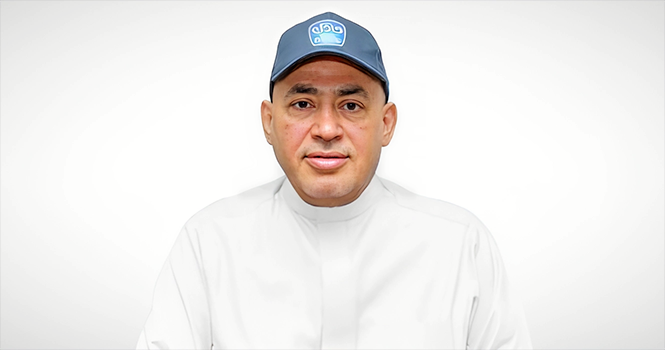
Solaiman Altwaijri, CEO of National Agricultural Development Co. (NADEC)
Traditional butchers are likely to face challenges as competition intensifies with major companies, like NADEC and Almarai, expanding in the red meat market, , CEO of National Agricultural Development Co. (NADEC), said. 
Consumers preference is shifting to products that offer quality, trust and high food safety standards, making it difficult for smaller players to keep pace, he said on Thmanyah’s Sawalif Business podcast.
Altwaijri explained that large companies can benefit from economies of scale as production increases, allowing them to balance quality and prices while meeting consumer demand.
NADEC plans to offer a range of locally produced meat, including Harri, Najdi and Naimi sheep, as well as different types of goats and cattle.
The company is also seeking to make better use of dairy cows after they complete their milk production cycle by sending them to slaughterhouses.
It launched a program to improve the quality of their meat through a specialized feeding regimen before slaughter, aimed at increasing both meat yield and quality.
The program initially involved a 10-day feeding period, which gradually will extend to 30 and then 60 days.
Altwaijri explained that the quality of meat and muscle mass decline once cows finish their milk production cycle, while changes to their diet can help improve meat quality and increase yield.
NADEC aims to produce 500,000 sheep and goats by 2030, with plans to reach one million head in Hail through intensive local breeding.
Feed stocks and production costs
Altwaijri said NADEC decided to increase its feed stocks to cover a full year of requirements, compared with two to four months before the war. The move is intended to mitigate disruptions to supply chains and shipping through the Strait of Hormuz.
The company imports around 9,000 containers of feed from outside the Kingdom. Maintaining a year’s supply would cost approximately SAR 800 million based on its current herd size, he added.
This cost could rise to SAR 1.1 billion if NADEC completes its proposed acquisition of NADA’s dairy cattle herd, which could increase its number of cows by around 30%.
He said the company had changed its strategy following the war, increasing stocks of various production materials. Expanding storage capacity will remain important even after conditions return to normal.
NADEC’s current stocks are held in Haradh. The company is working with other businesses and the National Grain Supply Company (SABIL) to secure additional storage space at Yanbu Port, despite the higher costs involved.
Expanding local feed production
Altwaijri said the Ministry of Environment, Water and Agriculture is studying the possibility of growing feed crops using desalinated or low-salinity water in the Western Region.
NADEC is exploring ways to benefit from the initiative and has collected samples of feed crops grown near the areas under consideration.
He expects the initiative to significantly reduce the company’s reliance on imported feed in the coming years.
NADEC will also discuss several issues with the ministry, in cooperation with other companies, including feed cultivation and the localization of technologies related to the genetics used in cattle breeding. Altwaijri expects reliance on external sources in these areas to decline over the next three to four years.
He added that the government had expanded support for producers in essential food and vegetable sectors.
According to Argaam data, higher feed and shipping costs, additional charges and risk-related fees linked to regional maritime disruptions added around SAR 107.1 million to NADEC’s costs in the first nine months of 2026, including SAR 56 million in Q3.
Solaiman Altwaijri, CEO of National Agricultural Development Co. (NADEC)
Traditional butchers are likely to face challenges as competition intensifies with major companies, like NADEC and Almarai, expanding in the red meat market, , CEO of National Agricultural Development Co. (NADEC), said.
Consumers preference is shifting to products that offer quality, trust and high food safety standards, making it difficult for smaller players to keep pace, he said on Thmanyah’s Sawalif Business podcast.
Altwaijri explained that large companies can benefit from economies of scale as production increases, allowing them to balance quality and prices while meeting consumer demand.
NADEC plans to offer a range of locally produced meat, including Harri, Najdi and Naimi sheep, as well as different types of goats and cattle.
The company is also seeking to make better use of dairy cows after they complete their milk production cycle by sending them to slaughterhouses.
It launched a program to improve the quality of their meat through a specialized feeding regimen before slaughter, aimed at increasing both meat yield and quality.
The program initially involved a 10-day feeding period, which gradually will extend to 30 and then 60 days.
Altwaijri explained that the quality of meat and muscle mass decline once cows finish their milk production cycle, while changes to their diet can help improve meat quality and increase yield.
NADEC aims to produce 500,000 sheep and goats by 2030, with plans to reach one million head in Hail through intensive local breeding.
Feed stocks and production costs
Altwaijri said NADEC decided to increase its feed stocks to cover a full year of requirements, compared with two to four months before the war. The move is intended to mitigate disruptions to supply chains and shipping through the Strait of Hormuz.
The company imports around 9,000 containers of feed from outside the Kingdom. Maintaining a year’s supply would cost approximately SAR 800 million based on its current herd size, he added.
This cost could rise to SAR 1.1 billion if NADEC completes its proposed acquisition of NADA’s dairy cattle herd, which could increase its number of cows by around 30%.
He said the company had changed its strategy following the war, increasing stocks of various production materials. Expanding storage capacity will remain important even after conditions return to normal.
NADEC’s current stocks are held in Haradh. The company is working with other businesses and the National Grain Supply Company (SABIL) to secure additional storage space at Yanbu Port, despite the higher costs involved.
Expanding local feed production
Altwaijri said the Ministry of Environment, Water and Agriculture is studying the possibility of growing feed crops using desalinated or low-salinity water in the Western Region.
NADEC is exploring ways to benefit from the initiative and has collected samples of feed crops grown near the areas under consideration.
He expects the initiative to significantly reduce the company’s reliance on imported feed in the coming years.
NADEC will also discuss several issues with the ministry, in cooperation with other companies, including feed cultivation and the localization of technologies related to the genetics used in cattle breeding. Altwaijri expects reliance on external sources in these areas to decline over the next three to four years.
He added that the government had expanded support for producers in essential food and vegetable sectors.
According to Argaam data, higher feed and shipping costs, additional charges and risk-related fees linked to regional maritime disruptions added around SAR 107.1 million to NADEC’s costs in the first nine months of 2026, including SAR 56 million in Q3.