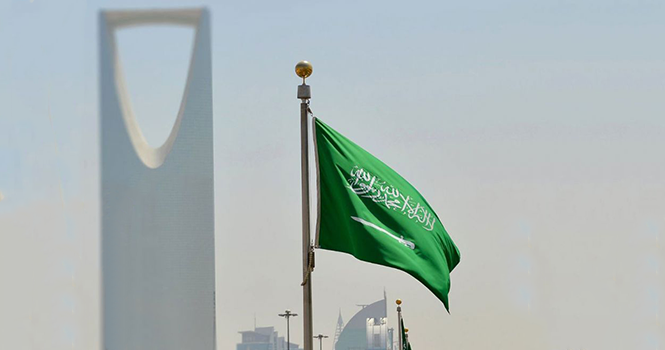
Saudi Arabia has published the regulatory framework for the Non-Oil Revenue Center in the Official Gazette.
Under the regulation, government entities must provide the center with all information and data related to fees, charges, and financial levies imposed by them or by their affiliates, associated entities, or contracted/operating companies on the public and private sectors, as well as on citizens and residents, along with an annual statement of the revenues generated.
Headquartered in Riyadh, the center has been assigned broad powers to review, regulate, and enhance government revenue streams, as part of efforts to strengthen fiscal sustainability and economic balance.
It will also study and review requests related to the imposition, amendment, or cancellation of fees and financial charges, and submit recommendations in line with legal procedures.
The center will also support government entities in assessing proposals related to new taxes before they are formally processed.
The center aims to boost non-oil revenues by applying unified methodologies, tools, and models across government entities, while ensuring alignment with broader economic and development goals.
It will propose new regulations and amendments in coordination with the Ministry of Finance, and provide recommendations to improve the efficiency of non-oil revenue collection.
The center will also assist government bodies in evaluating contracts that generate revenue, and will coordinate the collection of data related to fees, charges, and income streams imposed on businesses, citizens, and residents.
In addition, it will monitor government initiatives tied to non-oil revenue, propose necessary adjustments to ensure sustainability, and track performance against approved targets.
The framework grants the center authority to participate in shaping policies, strategies, and initiatives that impact non-oil revenue, as well as to prepare periodic reports evaluating revenue performance against expectations.
The center will also explore opportunities to monetize government assets, enter agreements with international partners, and support research and studies related to its mandate.
Headquartered in Riyadh, the center will operate with financial and administrative independence and will be overseen by a board chaired by the minister. The board will approve policies, budgets, and strategic plans, and supervise the center’s operations.
A chief executive officer will manage the center’s day-to-day operations, including developing strategies, overseeing budgets, and representing the center before relevant authorities.
The center’s resources will include government allocations, donations, grants, and other approved revenues, with all income managed through the unified treasury system at the Saudi Central Bank.
The center is required to submit annual reports and financial statements to the prime minister within 90 days of the start of each fiscal year.
Saudi Arabia has published the regulatory framework for the Non-Oil Revenue Center in the Official Gazette.
Under the regulation, government entities must provide the center with all information and data related to fees, charges, and financial levies imposed by them or by their affiliates, associated entities, or contracted/operating companies on the public and private sectors, as well as on citizens and residents, along with an annual statement of the revenues generated.
Headquartered in Riyadh, the center has been assigned broad powers to review, regulate, and enhance government revenue streams, as part of efforts to strengthen fiscal sustainability and economic balance.
It will also study and review requests related to the imposition, amendment, or cancellation of fees and financial charges, and submit recommendations in line with legal procedures.
The center will also support government entities in assessing proposals related to new taxes before they are formally processed.
The center aims to boost non-oil revenues by applying unified methodologies, tools, and models across government entities, while ensuring alignment with broader economic and development goals.
It will propose new regulations and amendments in coordination with the Ministry of Finance, and provide recommendations to improve the efficiency of non-oil revenue collection.
The center will also assist government bodies in evaluating contracts that generate revenue, and will coordinate the collection of data related to fees, charges, and income streams imposed on businesses, citizens, and residents.
In addition, it will monitor government initiatives tied to non-oil revenue, propose necessary adjustments to ensure sustainability, and track performance against approved targets.
The framework grants the center authority to participate in shaping policies, strategies, and initiatives that impact non-oil revenue, as well as to prepare periodic reports evaluating revenue performance against expectations.
The center will also explore opportunities to monetize government assets, enter agreements with international partners, and support research and studies related to its mandate.
Headquartered in Riyadh, the center will operate with financial and administrative independence and will be overseen by a board chaired by the minister. The board will approve policies, budgets, and strategic plans, and supervise the center’s operations.
A chief executive officer will manage the center’s day-to-day operations, including developing strategies, overseeing budgets, and representing the center before relevant authorities.
The center’s resources will include government allocations, donations, grants, and other approved revenues, with all income managed through the unified treasury system at the Saudi Central Bank.
The center is required to submit annual reports and financial statements to the prime minister within 90 days of the start of each fiscal year.