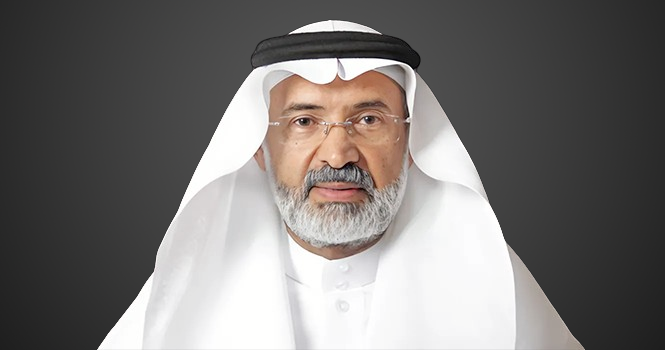
Shoiel Al-Ayidh,CEO ofRiyadh Cement Co.
Riyadh Cement Co.’s CEO Shoeil Al Ayed said selling prices continue to fluctuate due to ongoing price competition, particularly in the Central Province, while demand levels remain stable compared to the same period last year. 
He told Argaam that the market is currently experiencing a relative oversupply, driven by higher clinker production levels at a number of companies.
The company is addressing these conditions through operational and commercial discipline by aligning production with actual demand, efficiently managing inventory levels, maintaining sustainable profit margins, and focusing on higher-margin products, mainly white cement, according to the top executive.
He expects cement demand to improve gradually during the second half of 2026, backed by continued government spending and the acceleration of project execution, in addition to an improvement in private-sector activity.
This improvement is expected to have a positive impact on sales volumes, alongside a gradual improvement in market stability, supporting the company’s financial and operational performance while maintaining its focus on operational efficiency and maximizing shareholder returns, said the CEO.
He also said the average selling price of black cement stood at approximately SAR 176 per ton during Q2 2026, affected by continued pricing pressures resulting from oversupply and high clinker inventories across the sector.
Meanwhile, total clinker inventories across the sector reached approximately 45 million tons at the end Q2 2026, while the company’s clinker inventory stood at approximately 1.4 million tons. This level is in line with the company’s strategy to ensure readiness to meet expected demand, maintain continuity of operations, and strike a balance between production and inventory levels in line with market developments and the company’s long-term plans, according to Al-Ayed.
He explained that the Q2 2026 profit margin was affected by approximately 4 percentage points due to higher fuel prices, which were the main factor behind the increase in the cost of sales during the period.
Despite this impact, Riyadh Cement was able to limit its effect on its financial results by improving operational efficiency, managing costs, and increasing the contribution of white cement to sales, which helped maintain good profitability levels compared with market conditions.
Based on current conditions, the company expects fuel costs to remain stable during the second half of 2026, unless significant changes occur in energy prices or other operational factors, he noted.
The CEO further stated that Riyadh Cement continues to benefit from its strong financial position and the absence of any bank liabilities, providing financial flexibility to support its operational and investment plans, enhance its ability to withstand market fluctuations, and capitalize on future growth opportunities.
Regarding the impact of geopolitical developments, Al-Ayed said their effect on the company’s operations was limited, mainly taking the form of higher costs and slower delivery of certain spare parts imported from outside Saudi Arabia.
“This did not have a material impact on the continuity of our operations, thanks to efficient supply chain management and procurement planning. We were not materially affected by raw material and fuel costs, given our reliance on local sources for more than 99% of our raw material requirements, in addition to stable fuel supplies within Saudi Arabia,” said the CEO.
He added that clinker exports across the sector have been affected since the beginning of 2026 due to logistical challenges associated with regional developments. However, this did not have a material impact on the company’s performance, given its primary reliance on the domestic market for marketing black and white cement.
According to data available with Argaam, Riyadh Cement’s net profit declined to SAR 110 million during H1 2026, down 17%, compared to SAR 133 million in the same period a year earlier.
Shoiel Al-Ayidh,CEO ofRiyadh Cement Co.
Riyadh Cement Co.’s CEO Shoeil Al Ayed said selling prices continue to fluctuate due to ongoing price competition, particularly in the Central Province, while demand levels remain stable compared to the same period last year.
He told Argaam that the market is currently experiencing a relative oversupply, driven by higher clinker production levels at a number of companies.
The company is addressing these conditions through operational and commercial discipline by aligning production with actual demand, efficiently managing inventory levels, maintaining sustainable profit margins, and focusing on higher-margin products, mainly white cement, according to the top executive.
He expects cement demand to improve gradually during the second half of 2026, backed by continued government spending and the acceleration of project execution, in addition to an improvement in private-sector activity.
This improvement is expected to have a positive impact on sales volumes, alongside a gradual improvement in market stability, supporting the company’s financial and operational performance while maintaining its focus on operational efficiency and maximizing shareholder returns, said the CEO.
He also said the average selling price of black cement stood at approximately SAR 176 per ton during Q2 2026, affected by continued pricing pressures resulting from oversupply and high clinker inventories across the sector.
Meanwhile, total clinker inventories across the sector reached approximately 45 million tons at the end Q2 2026, while the company’s clinker inventory stood at approximately 1.4 million tons. This level is in line with the company’s strategy to ensure readiness to meet expected demand, maintain continuity of operations, and strike a balance between production and inventory levels in line with market developments and the company’s long-term plans, according to Al-Ayed.
He explained that the Q2 2026 profit margin was affected by approximately 4 percentage points due to higher fuel prices, which were the main factor behind the increase in the cost of sales during the period.
Despite this impact, Riyadh Cement was able to limit its effect on its financial results by improving operational efficiency, managing costs, and increasing the contribution of white cement to sales, which helped maintain good profitability levels compared with market conditions.
Based on current conditions, the company expects fuel costs to remain stable during the second half of 2026, unless significant changes occur in energy prices or other operational factors, he noted.
The CEO further stated that Riyadh Cement continues to benefit from its strong financial position and the absence of any bank liabilities, providing financial flexibility to support its operational and investment plans, enhance its ability to withstand market fluctuations, and capitalize on future growth opportunities.
Regarding the impact of geopolitical developments, Al-Ayed said their effect on the company’s operations was limited, mainly taking the form of higher costs and slower delivery of certain spare parts imported from outside Saudi Arabia.
“This did not have a material impact on the continuity of our operations, thanks to efficient supply chain management and procurement planning. We were not materially affected by raw material and fuel costs, given our reliance on local sources for more than 99% of our raw material requirements, in addition to stable fuel supplies within Saudi Arabia,” said the CEO.
He added that clinker exports across the sector have been affected since the beginning of 2026 due to logistical challenges associated with regional developments. However, this did not have a material impact on the company’s performance, given its primary reliance on the domestic market for marketing black and white cement.
According to data available with Argaam, Riyadh Cement’s net profit declined to SAR 110 million during H1 2026, down 17%, compared to SAR 133 million in the same period a year earlier.