‎Red Sea ports’ share of Saudi non-oil exports rises to 41%: Alibrahim

‎Red Sea ports’ share of Saudi non-oil exports rises to 41%: Alibrahim ‎Red Sea ports’ share of Saudi non-oil exports rises to 41%: Alibrahim

​‎

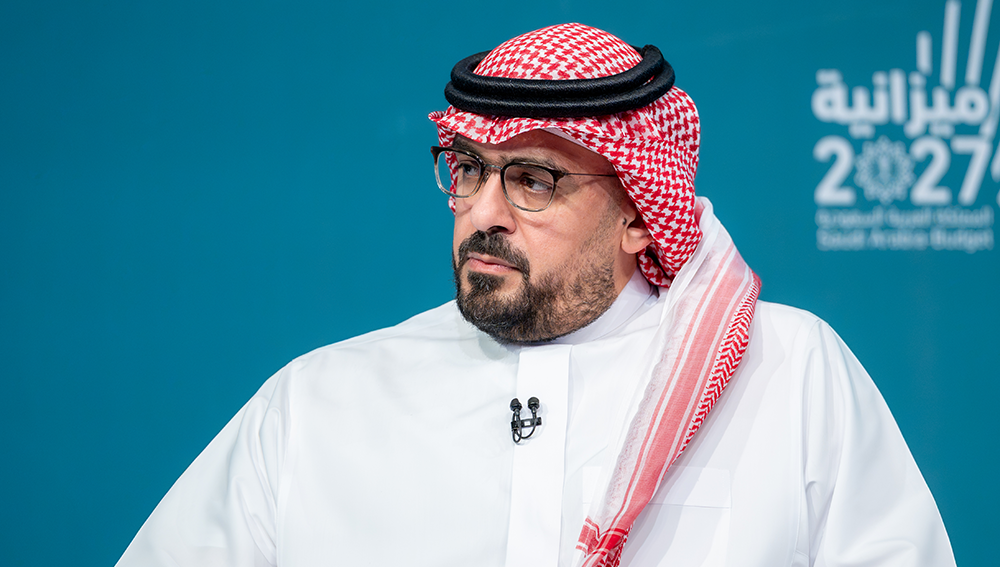
Minister of Economy and Planning, Faisal Alibrahim

Minister of Economy and Planning Faisal Alibrahim said the share of Saudi Arabia’s non-oil exports passing through Red Sea ports rose to 41% from 19% in a short period, following the rerouting of goods, exports and imports to address shipping disruptions in the region.

Advertisement

Speaking at the Budget 2027 Forum, Alibrahim said the Saudi economy had demonstrated its resilience. He added that continued economic diversification was key to strengthening the Kingdom’s economic structure.

He said oil activities contracted by 15% through the third quarter of 2026, while non-oil activities continued to grow by 1.8% over the same period.


Alibrahim said reducing the economy’s reliance on government spending, which had been heavily dependent on oil revenues, was key to strengthening its structure, adding that greater private sector participation would help lower dependence on oil.
The oil dependency index fell from 70% in 2019 to 61% in 2024 and has continued to decline since then, he said.
The Kingdom aims to make optimal use of oil revenues and diversify its sources of economic growth and income to reduce its exposure to external shocks, Alibrahim added.
He said the National Infrastructure Fund (Infra) committed SAR 10.5 billion within a short period to projects worth SAR 60 billion, noting that every SAR 1 allocated by the government through the fund attracted more than SAR 4 from the private sector and investors.


‎

Minister of Economy and Planning, Faisal Alibrahim

Minister of Economy and Planning Faisal Alibrahim said the share of Saudi Arabia’s non-oil exports passing through Red Sea ports rose to 41% from 19% in a short period, following the rerouting of goods, exports and imports to address shipping disruptions in the region.

Speaking at the Budget 2027 Forum, Alibrahim said the Saudi economy had demonstrated its resilience. He added that continued economic diversification was key to strengthening the Kingdom’s economic structure.

He said oil activities contracted by 15% through the third quarter of 2026, while non-oil activities continued to grow by 1.8% over the same period.

Alibrahim said reducing the economy’s reliance on government spending, which had been heavily dependent on oil revenues, was key to strengthening its structure, adding that greater private sector participation would help lower dependence on oil.
The oil dependency index fell from 70% in 2019 to 61% in 2024 and has continued to decline since then, he said.
The Kingdom aims to make optimal use of oil revenues and diversify its sources of economic growth and income to reduce its exposure to external shocks, Alibrahim added.
He said the National Infrastructure Fund (Infra) committed SAR 10.5 billion within a short period to projects worth SAR 60 billion, noting that every SAR 1 allocated by the government through the fund attracted more than SAR 4 from the private sector and investors.
Add a comment

Leave a Reply

Your email address will not be published. Required fields are marked *

Keep Up to Date with our Weekly Newsletter

By pressing the Subscribe button, you confirm that you have read and are agreeing to our Privacy Policy and Terms of Use
Advertisement