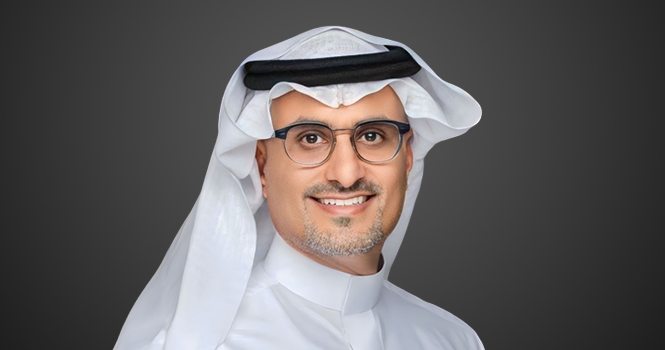
Saudi Aramco Base Oil Co. (Luberef) developed new marketing channels during recent regional tensions, including Oman and Fujairah, CEO Samer Al-Hokail told Al Arabiya.
He added that the company also leveraged strategic storage and inventories of base oils in South Africa, Europe and Asia, helping it navigate challenges.
Luberef operates a flexible business model and a strong product portfolio, the CEO said, adding that the company has an advanced risk management framework that is regularly updated to address various scenarios and future risks.
He said the company hedged against rising shipping costs by signing freight contracts that helped mitigate increases that exceeded 200% during periods of geopolitical tension.
Al-Hokail added that base oil production in Q1 was lower year-on-year due to scheduled maintenance carried out in December, noting that refinery operations typically require time to return to normal production levels.
He said the company’s portfolio includes base oils as its main product, alongside by-products such as asphalt, diesel and naphtha, noting that each has different market dynamics.
By-products react more quickly to energy market changes, while base oils are influenced more gradually by supply and demand and customer requirements.
Some by-products may perform strongly during periods of sharp oil price volatility, with diesel, asphalt and extraction products being among the key contributors to performance in the recent period.
On its Jeddah facility, the CEO said operations are progressing while the current feedstock agreement remains valid until August 2026, with an extension granted by the Ministry of Energy until 2030.
He added that advanced discussions are ongoing with Saudi Aramco over a new supply agreement, with any material developments to be disclosed once finalized.
Al-Hokail said the company’s priorities include strengthening its position in high-value base oil markets and advancing expansion projects, including Group III and Group III+ projects in Jazan, to support product diversification and geographic expansion.
Saudi Aramco Base Oil Co. (Luberef) developed new marketing channels during recent regional tensions, including Oman and Fujairah, CEO Samer Al-Hokail told Al Arabiya.
He added that the company also leveraged strategic storage and inventories of base oils in South Africa, Europe and Asia, helping it navigate challenges.
Luberef operates a flexible business model and a strong product portfolio, the CEO said, adding that the company has an advanced risk management framework that is regularly updated to address various scenarios and future risks.
He said the company hedged against rising shipping costs by signing freight contracts that helped mitigate increases that exceeded 200% during periods of geopolitical tension.
Al-Hokail added that base oil production in Q1 was lower year-on-year due to scheduled maintenance carried out in December, noting that refinery operations typically require time to return to normal production levels.
He said the company’s portfolio includes base oils as its main product, alongside by-products such as asphalt, diesel and naphtha, noting that each has different market dynamics.
By-products react more quickly to energy market changes, while base oils are influenced more gradually by supply and demand and customer requirements.
Some by-products may perform strongly during periods of sharp oil price volatility, with diesel, asphalt and extraction products being among the key contributors to performance in the recent period.
On its Jeddah facility, the CEO said operations are progressing while the current feedstock agreement remains valid until August 2026, with an extension granted by the Ministry of Energy until 2030.
He added that advanced discussions are ongoing with Saudi Aramco over a new supply agreement, with any material developments to be disclosed once finalized.
Al-Hokail said the company’s priorities include strengthening its position in high-value base oil markets and advancing expansion projects, including Group III and Group III+ projects in Jazan, to support product diversification and geographic expansion.