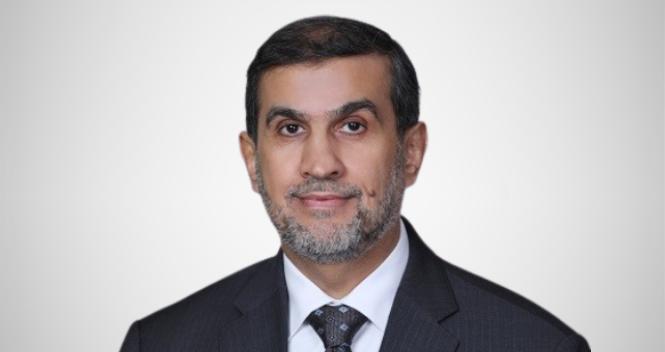
Mohammed Khalifa Al-Abduljalil, Executive Vice President of Planning and Innovation at Kuwait Oil Company (KOC)
Mohammed Khalifa Al-Abduljalil, Executive Vice President of Planning and Innovation at Kuwait Oil Company (KOC), said Kuwait’s current oil production stands at around 2 million barrels per day, below its targeted production capacity. He affirmed that the company is ready to increase output whenever the opportunity arises. 
In an interview with Argaam on the sidelines of the 25th WPC Energy Congress in Riyadh, Al-Abduljalil said the oil sector in Kuwait and other GCC countries has been affected by current geopolitical conditions, particularly regarding the transportation of crude oil and petroleum products to global markets through the Strait of Hormuz. However, he noted that Kuwait’s production capacity and oil inventories have not been affected by these developments.
“We continue to work to maintain and boost our production capacity in line with Kuwait Petroleum Corporation’s (KPC) 2030 strategy,” he continued.
Al-Abduljalil also noted that some facilities in the refining sector were affected by Iranian attacks on Kuwait, but this did not have a direct impact on oil operations. He affirmed that operations are continuing at current production levels, with the company ready to increase output when conditions permit.
Commenting on oil prices, Al-Abduljalil said they are governed by supply and demand, as the current crisis has driven prices higher and caused them to fluctuate at unexpected levels. He stated that prices could rise further if geopolitical conditions persist or similar disruptions occur.
“Stability in oil prices serves the interests of both producing and consuming countries, helping strengthen confidence, sustain investment in strategic projects and increase production capacity. Global demand for oil and petroleum products continues to grow despite the shift toward alternative energy sources,” said the official.
He added that Gulf oil companies are continuing to implement plans to maintain or boost their production capacity in the coming years, given the ongoing need for oil in global markets.
Regarding exports, Al-Abduljalil explained that KPC has worked through its subsidiaries to provide the fleet needed to transport crude oil and petroleum products. He highlighted that Kuwait Oil Tanker Company continues its operations within available capacity, despite the impact of current conditions on transportation activity.
Kuwait’s oil ports remain open to tankers capable of reaching them to load crude oil and petroleum products for export to global markets, he added.
Moreover, ensuring the flow of oil supplies to global markets is a shared responsibility of both producing and consuming countries, as well as the relevant service and transportation companies, said the official. He noted that holding a single party responsible for supply disruptions does not reflect the nature of the challenges currently facing the sector.
He also noted that KPC’s CEO Sheikh Nawaf Saud Al-Nasser Al-Sabah had affirmed that Kuwait’s ports are ready to receive any tanker capable of transporting oil and petroleum products to global markets.
Mohammed Khalifa Al-Abduljalil, Executive Vice President of Planning and Innovation at Kuwait Oil Company (KOC)
Mohammed Khalifa Al-Abduljalil, Executive Vice President of Planning and Innovation at Kuwait Oil Company (KOC), said Kuwait’s current oil production stands at around 2 million barrels per day, below its targeted production capacity. He affirmed that the company is ready to increase output whenever the opportunity arises.
In an interview with Argaam on the sidelines of the 25th WPC Energy Congress in Riyadh, Al-Abduljalil said the oil sector in Kuwait and other GCC countries has been affected by current geopolitical conditions, particularly regarding the transportation of crude oil and petroleum products to global markets through the Strait of Hormuz. However, he noted that Kuwait’s production capacity and oil inventories have not been affected by these developments.
“We continue to work to maintain and boost our production capacity in line with Kuwait Petroleum Corporation’s (KPC) 2030 strategy,” he continued.
Al-Abduljalil also noted that some facilities in the refining sector were affected by Iranian attacks on Kuwait, but this did not have a direct impact on oil operations. He affirmed that operations are continuing at current production levels, with the company ready to increase output when conditions permit.
Commenting on oil prices, Al-Abduljalil said they are governed by supply and demand, as the current crisis has driven prices higher and caused them to fluctuate at unexpected levels. He stated that prices could rise further if geopolitical conditions persist or similar disruptions occur.
“Stability in oil prices serves the interests of both producing and consuming countries, helping strengthen confidence, sustain investment in strategic projects and increase production capacity. Global demand for oil and petroleum products continues to grow despite the shift toward alternative energy sources,” said the official.
He added that Gulf oil companies are continuing to implement plans to maintain or boost their production capacity in the coming years, given the ongoing need for oil in global markets.
Regarding exports, Al-Abduljalil explained that KPC has worked through its subsidiaries to provide the fleet needed to transport crude oil and petroleum products. He highlighted that Kuwait Oil Tanker Company continues its operations within available capacity, despite the impact of current conditions on transportation activity.
Kuwait’s oil ports remain open to tankers capable of reaching them to load crude oil and petroleum products for export to global markets, he added.
Moreover, ensuring the flow of oil supplies to global markets is a shared responsibility of both producing and consuming countries, as well as the relevant service and transportation companies, said the official. He noted that holding a single party responsible for supply disruptions does not reflect the nature of the challenges currently facing the sector.
He also noted that KPC’s CEO Sheikh Nawaf Saud Al-Nasser Al-Sabah had affirmed that Kuwait’s ports are ready to receive any tanker capable of transporting oil and petroleum products to global markets.