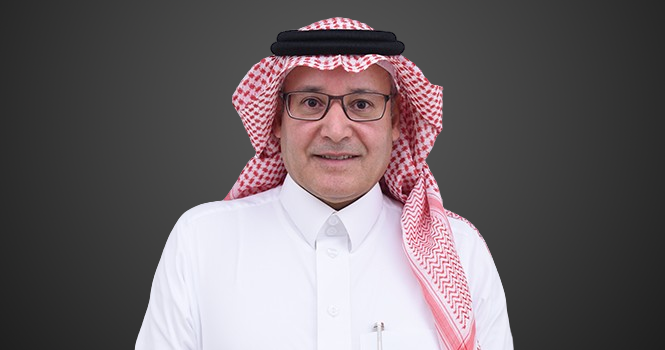
Naji Al-Faisal Al-Tamimi, CEO of the Insurance Authority (IA)
Naji Al-Faisal Al-Tamimi, CEO of the Insurance Authority (IA), stated that the next phase of insurance sector development requires a more accurate assessment of performance. 
In the Saudi Insurance Market Report 2025, Al-Tamimi said that as the market matures, growth should be assessed not only by premium volume but also by its quality and sustainability.
He added that the insurance sector continued to grow in 2025, with gross written premiums (GWP) reaching SAR 84.3 billion, up 11% year-on-year (YoY).
The results show that the sector remains broadly stable, although there are significant differences in performance across insurance lines and categories of insurers, he added.
Al-Tamimi indicated that disciplined motor pricing and adherence to actuarial standards remain key pillars for achieving sustainable profitability.
The health insurance sector continued to expand population coverage, strengthening protection for beneficiaries and supporting broader access to healthcare services, he pointed out.
As the sector grows, the focus should remain on enhancing affordability and service quality while maintaining a balance between premiums, claims management, and trends in medical provider costs.
Overall solvency in the insurance market remains adequate, Al-Tamimi said. However, capital resilience increasingly depends on the depth of capital buffers, capital quality, and insurers’ ability to strengthen capital through sustainable underwriting performance.
The operating environment is expected to become more challenging in the next phase, with several factors affecting the sector’s results, including claims cost inflation, the level of discipline in motor insurance pricing, health insurance repricing, investment income normalizing, reinsurance availability, geopolitical developments, and preparedness for the risk-based capital framework scheduled to take effect in January 2027.
The framework will not create vulnerabilities, but will highlight differences in risk profiles, capital quality, and earnings resilience more clearly, he added.
Naji Al-Faisal Al-Tamimi, CEO of the Insurance Authority (IA)
Naji Al-Faisal Al-Tamimi, CEO of the Insurance Authority (IA), stated that the next phase of insurance sector development requires a more accurate assessment of performance.
In the Saudi Insurance Market Report 2025, Al-Tamimi said that as the market matures, growth should be assessed not only by premium volume but also by its quality and sustainability.
He added that the insurance sector continued to grow in 2025, with gross written premiums (GWP) reaching SAR 84.3 billion, up 11% year-on-year (YoY).
The results show that the sector remains broadly stable, although there are significant differences in performance across insurance lines and categories of insurers, he added.
Al-Tamimi indicated that disciplined motor pricing and adherence to actuarial standards remain key pillars for achieving sustainable profitability.
The health insurance sector continued to expand population coverage, strengthening protection for beneficiaries and supporting broader access to healthcare services, he pointed out.
As the sector grows, the focus should remain on enhancing affordability and service quality while maintaining a balance between premiums, claims management, and trends in medical provider costs.
Overall solvency in the insurance market remains adequate, Al-Tamimi said. However, capital resilience increasingly depends on the depth of capital buffers, capital quality, and insurers’ ability to strengthen capital through sustainable underwriting performance.
The operating environment is expected to become more challenging in the next phase, with several factors affecting the sector’s results, including claims cost inflation, the level of discipline in motor insurance pricing, health insurance repricing, investment income normalizing, reinsurance availability, geopolitical developments, and preparedness for the risk-based capital framework scheduled to take effect in January 2027.
The framework will not create vulnerabilities, but will highlight differences in risk profiles, capital quality, and earnings resilience more clearly, he added.