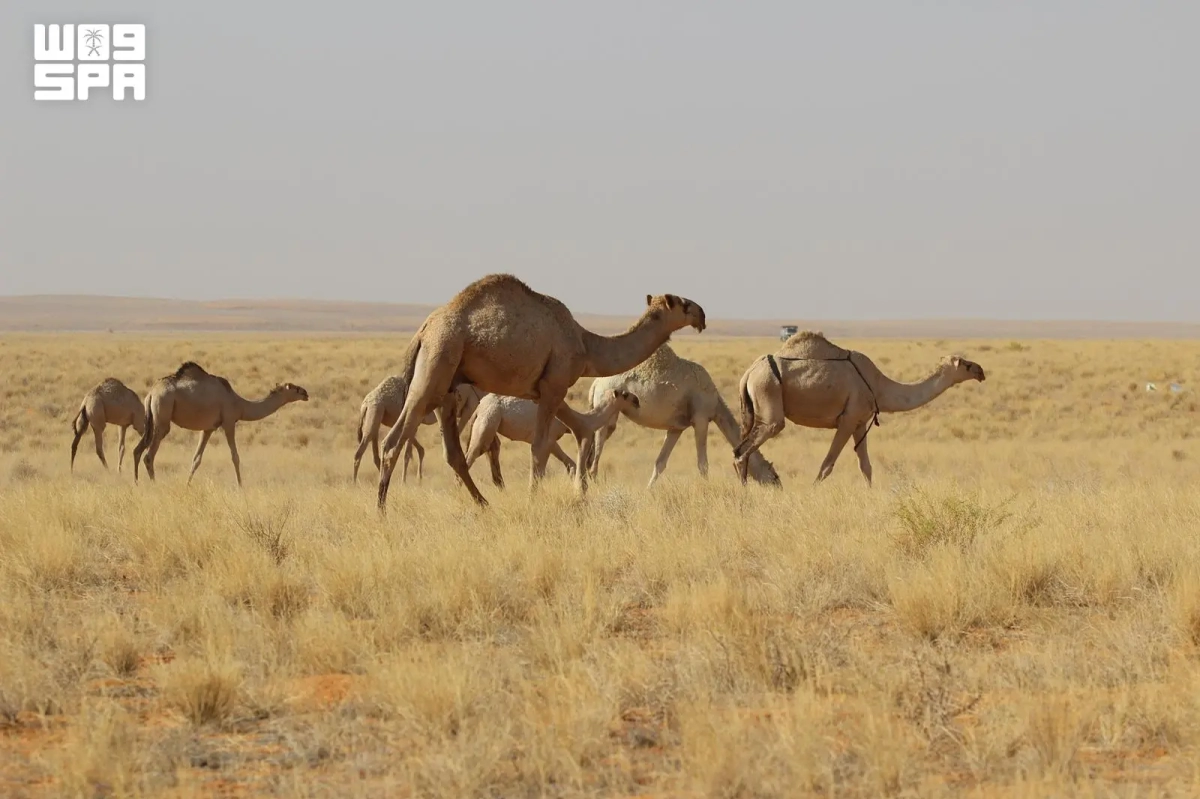
RIYADH — Herding, an ancient profession deeply woven into life in the Arabian Peninsula, has shaped its social, economic, and cultural ways of life and remains present across the Kingdom’s regions, both as an economic activity and as a heritage passed down through generations. Bedouins historically relied on camels and sheep for meat, milk, wool, and hides, and on camels for transport and trade. Herders moved seasonally in search of pasture and water, guided by environmental conditions. **media[2796390]** The profession is part of the Arabian Peninsula’s cultural heritage, carrying inherited knowledge of the land, water sources, forage plants, and livestock care, and fostering values of cooperation and the sharing of expertise. Camels and desert life are prominent themes in Arab poetry, literature, and proverbs, from descriptions of journeys and desert encampments to oral arts tied to herding. Among them is Alheda’a, the rhythmic calls herders use to communicate with and guide their camels, which UNESCO inscribed in 2022 on its Representative List of the Intangible Cultural Heritage of Humanity as “Alheda’a, oral traditions of calling camel flocks.” **media[2796388]** Herding has evolved with technology. GPS devices can track animals’ locations and movements, while modern veterinary tools support examinations, diagnosis, and early disease detection, improving herd health and reducing losses. The profession calls for skills in managing herds, understanding their feed and water needs, choosing grazing sites, monitoring animals’ health and behavior, protecting them from risks, and coping with varied environments. Tools range from staffs and trained dogs to modern communication and tracking equipment, depending on the livestock and terrain. Herding retains its place in the Kingdom’s economic and social life, supported by efforts to develop livestock resources and preserve the cultural heritage linked to it.
Keep Up to Date with our Weekly Newsletter