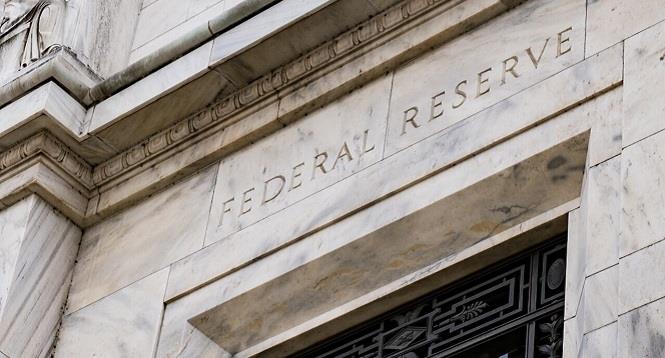
Financial markets are awaiting the US Federal Reserve’s interest rate decision on Wednesday, with broad expectations that rates will be held steady as inflation remains above the 2% target and labor market signals stay mixed.
The two-day meeting comes at a sensitive time as Chair Jerome Powell’s term nears its end, while US lawmakers consider appointing Kevin Warsh, backed by President Donald Trump, as a potential successor.
Analysts surveyed by Argaamsaid the Fed is likely to maintain a cautious, data-dependent stance, reinforcing expectations of no change in rates at this meeting.
Raed Alkhedr, senior market analyst at Equiti Group
Raed Alkhedr, senior market analyst at Equiti Group, said the Fed is expected to hold rates amid ongoing uncertainty around inflation trends, preferring to wait for clearer data.
Abdelaziz Albogdady, head of market research and fintech strategy at FXEM, said inflation has eased from peak levels but remains above target, supporting the case for keeping rates unchanged.
Financial analyst Hussein Al Attas said current conditions favor a pause in April and May, barring any major surprises in economic data.
Abdelaziz Albogdady, head of market research and fintech strategy at FXEM
Analysts said future policy decisions will hinge on core inflation and labor market developments. Wage growth, financial conditions and geopolitical factors—particularly energy prices—will also play a key role.
They added that a shift in policy could be triggered by changes in inflation trends, especially in the Personal Consumption Expenditures index, a sharp slowdown in the labor market, or external pressures such as energy prices and geopolitical risks.
Hussein Al Attas,Financial analyst
Stagflation risks were seen as limited for now but could emerge if price pressures persist, particularly from energy markets. Analysts described the current environment as complex, with sticky inflation and mixed labor indicators prompting the Fed to maintain a cautious stance.
They said the central bank is balancing the need to curb inflation without triggering a sharp slowdown, with a “higher-for-longer” approach remaining the most likely path.
On liquidity, analysts said the Fed continues to monitor financial conditions as it reduces its balance sheet through quantitative tightening, currently at a pace of about $90 billion per month.
While no immediate signs of financial stress have emerged, the Fed remains cautious given past market disruptions.
Analysts also pointed to a gap between market expectations—which lean toward rate cuts this year—and the Fed’s guidance emphasizing patience until inflation shows a sustained decline.
They said this divergence reflects communication challenges, as markets tend to price in future policy moves while the Fed remains focused on incoming data.
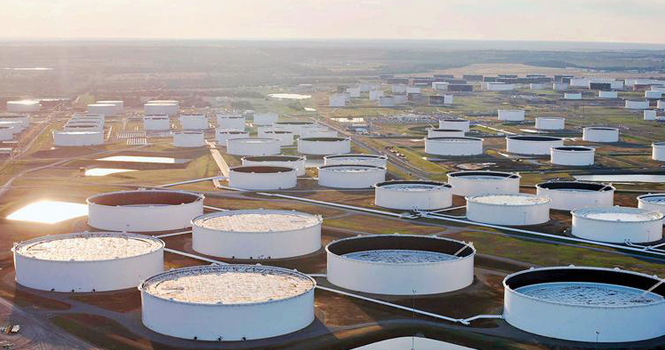
Oil prices were highlighted as a key external factor that could delay inflation’s return to target and limit the scope for rate cuts in the near term.
Financial markets are awaiting the US Federal Reserve’s interest rate decision on Wednesday, with broad expectations that rates will be held steady as inflation remains above the 2% target and labor market signals stay mixed.
The two-day meeting comes at a sensitive time as Chair Jerome Powell’s term nears its end, while US lawmakers consider appointing Kevin Warsh, backed by President Donald Trump, as a potential successor.
Analysts surveyed by Argaamsaid the Fed is likely to maintain a cautious, data-dependent stance, reinforcing expectations of no change in rates at this meeting.
Raed Alkhedr, senior market analyst at Equiti Group
Raed Alkhedr, senior market analyst at Equiti Group, said the Fed is expected to hold rates amid ongoing uncertainty around inflation trends, preferring to wait for clearer data.
Abdelaziz Albogdady, head of market research and fintech strategy at FXEM, said inflation has eased from peak levels but remains above target, supporting the case for keeping rates unchanged.
Financial analyst Hussein Al Attas said current conditions favor a pause in April and May, barring any major surprises in economic data.
Abdelaziz Albogdady, head of market research and fintech strategy at FXEM
Analysts said future policy decisions will hinge on core inflation and labor market developments. Wage growth, financial conditions and geopolitical factors—particularly energy prices—will also play a key role.
They added that a shift in policy could be triggered by changes in inflation trends, especially in the Personal Consumption Expenditures index, a sharp slowdown in the labor market, or external pressures such as energy prices and geopolitical risks.
Hussein Al Attas,Financial analyst
Stagflation risks were seen as limited for now but could emerge if price pressures persist, particularly from energy markets. Analysts described the current environment as complex, with sticky inflation and mixed labor indicators prompting the Fed to maintain a cautious stance.
They said the central bank is balancing the need to curb inflation without triggering a sharp slowdown, with a “higher-for-longer” approach remaining the most likely path.
On liquidity, analysts said the Fed continues to monitor financial conditions as it reduces its balance sheet through quantitative tightening, currently at a pace of about $90 billion per month.
While no immediate signs of financial stress have emerged, the Fed remains cautious given past market disruptions.
Analysts also pointed to a gap between market expectations—which lean toward rate cuts this year—and the Fed’s guidance emphasizing patience until inflation shows a sustained decline.
They said this divergence reflects communication challenges, as markets tend to price in future policy moves while the Fed remains focused on incoming data.
Oil prices were highlighted as a key external factor that could delay inflation’s return to target and limit the scope for rate cuts in the near term.