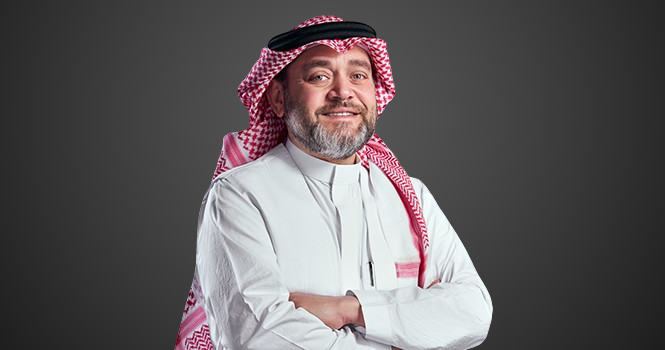
Fawaz Danish, CEO of United International Transportation Co. (Budget Saudi)
Fawaz Danish, CEO of United International Transportation Co. (Budget Saudi), said the pressures facing the company’s business due to current geopolitical conditions are temporary and unrelated to the sector’s fundamentals, expecting recovery to begin in the second half of 2027. 
In comments to Argaam, Danish explained that the company’s Q3 2026 profit, excluding one-off gains of SAR 25 million, improved by more than 5% quarter-on-quarter.
The first two months of Q3 were favorable, before the impact of geopolitical tensions became more pronounced during the final month of the quarter, said Danish.
He noted that higher prices for some vehicles and spare parts, along with increased shipping and insurance costs, weighed on profit margins. The company’s net profit margin, which stood at around 15% in 2025, declined by approximately 4.4 percentage points in 9M 2026 to about 10.5%.
Budget Saudi has already begun taking precautionary measures to mitigate the impact of current conditions, reducing its short-term rental fleet by more than 2,000 vehicles since the beginning of the year. This represents around 10–15% of the fleet allocated to this activity, with the aim of improving vehicle utilization and reducing expenses, according to the top executive.
He explained that fleet utilization remains at around 60%, noting that long-term rental is less affected due to the nature of its contracts and the continuity of business with corporate clients. The negative impact is more concentrated in the short-term rental segment.
Danish added that since the beginning of 2026, the company has sold vehicles from its short-term rental fleet that had reached their scheduled disposal dates, without purchasing replacements given the lack of demand requiring them. The move aims to reduce depreciation expenses associated with unused vehicles and has contributed to a 24% increase in car sales.
He noted that the company can increase its fleet again and purchase new vehicles if the market returns to normal conditions.
“We are currently focused on reducing costs, controlling expenses, and adopting a cautious approach to adding new vehicles to our fleet. We are also monitoring risks on a monthly basis and working to increase utilization of our existing vehicles,” said Danish.
He indicated that Budget Saudi accounted for around 40% of the car rental sector’s revenue in the first nine months of 2026, compared with more than 53% of the sector’s profits.
Regarding vehicle import plans, Danish said current conditions have not fundamentally changed the company’s plans, but have prompted it to seek alternatives in case it becomes unable to obtain the required vehicles at competitive prices.
He added that the company is also monitoring vehicle resale risks amid market volatility, noting that the impact ranges between 3% and 5% and may remain stable or decline depending on market conditions.
Danish also affirmed that the company believes it can overcome the current phase by managing costs and its fleet and responding flexibly to developments until geopolitical conditions in the region ease.
According to data available on Argaam, Budget Saudi reported a net profit of SAR 199.59 million in the first nine months of 2026, down from SAR 248.66 million in the same period a year earlier. Q3 net profit was down 11% YoY to SAR 71.75 million.
Fawaz Danish, CEO of United International Transportation Co. (Budget Saudi)
Fawaz Danish, CEO of United International Transportation Co. (Budget Saudi), said the pressures facing the company’s business due to current geopolitical conditions are temporary and unrelated to the sector’s fundamentals, expecting recovery to begin in the second half of 2027.
In comments to Argaam, Danish explained that the company’s Q3 2026 profit, excluding one-off gains of SAR 25 million, improved by more than 5% quarter-on-quarter.
The first two months of Q3 were favorable, before the impact of geopolitical tensions became more pronounced during the final month of the quarter, said Danish.
He noted that higher prices for some vehicles and spare parts, along with increased shipping and insurance costs, weighed on profit margins. The company’s net profit margin, which stood at around 15% in 2025, declined by approximately 4.4 percentage points in 9M 2026 to about 10.5%.
Budget Saudi has already begun taking precautionary measures to mitigate the impact of current conditions, reducing its short-term rental fleet by more than 2,000 vehicles since the beginning of the year. This represents around 10–15% of the fleet allocated to this activity, with the aim of improving vehicle utilization and reducing expenses, according to the top executive.
He explained that fleet utilization remains at around 60%, noting that long-term rental is less affected due to the nature of its contracts and the continuity of business with corporate clients. The negative impact is more concentrated in the short-term rental segment.
Danish added that since the beginning of 2026, the company has sold vehicles from its short-term rental fleet that had reached their scheduled disposal dates, without purchasing replacements given the lack of demand requiring them. The move aims to reduce depreciation expenses associated with unused vehicles and has contributed to a 24% increase in car sales.
He noted that the company can increase its fleet again and purchase new vehicles if the market returns to normal conditions.
“We are currently focused on reducing costs, controlling expenses, and adopting a cautious approach to adding new vehicles to our fleet. We are also monitoring risks on a monthly basis and working to increase utilization of our existing vehicles,” said Danish.
He indicated that Budget Saudi accounted for around 40% of the car rental sector’s revenue in the first nine months of 2026, compared with more than 53% of the sector’s profits.
Regarding vehicle import plans, Danish said current conditions have not fundamentally changed the company’s plans, but have prompted it to seek alternatives in case it becomes unable to obtain the required vehicles at competitive prices.
He added that the company is also monitoring vehicle resale risks amid market volatility, noting that the impact ranges between 3% and 5% and may remain stable or decline depending on market conditions.
Danish also affirmed that the company believes it can overcome the current phase by managing costs and its fleet and responding flexibly to developments until geopolitical conditions in the region ease.
According to data available on Argaam, Budget Saudi reported a net profit of SAR 199.59 million in the first nine months of 2026, down from SAR 248.66 million in the same period a year earlier. Q3 net profit was down 11% YoY to SAR 71.75 million.