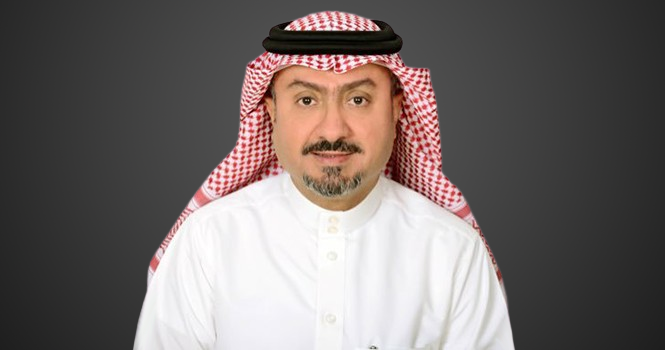
Nabil Alamir, CEO ofUnited Wire Factories Co. (Aslak)
United Wire Factories Co. (Aslak) is evaluating opportunities to expand into higher-margin products in 2027, based on expected demand and return on investment, CEO Nabil Alamir said, adding that the company is assessing how best to utilize its existing production capacity before deciding whether to add new production lines. 
Alamir told Argaam that Aslak targets operating at 80% to 90% of its production capacity throughout the year to help absorb fixed costs, although utilization rates vary quarterly depending on demand and product mix.
He said Q4 2026 performance will depend on order volumes, particularly from the construction sector, as well as raw material price movements and supply costs, adding that the company continues to enhance operational efficiency and profitability by securing raw material supplies, controlling costs, and aligning its product mix with demand, with the impact of these efforts expected to materialize gradually.
Regarding its financial results, Alamir noted that net profit increased year-on-year (YoY) in Q3 2026 despite lower sales volumes, mainly driven by an improvement in the gross profit margin to around 11.2% from 6.7%, alongside lower selling, general and administrative expenses during the year.
The company’s investments also supported its results, with A-1 Fence Arabia for Industry, in which Aslak holds a 30% stake, delivering strong performance during the year and contributing to net income through Aslak’s share of its profits, in line with the company’s strategy of acquiring stakes in businesses that enhance its profitability.
Alamir explained that demand and prices increased in Q2 amid supply chain disruptions caused by geopolitical developments in the region. However, price increases slowed toward the end of the quarter, while demand eased at the beginning of Q3 with the onset of the summer season.
Sales volumes declined quarter-on-quarter (QoQ), while the gross profit margin fell to around 11.2% from 13.3%. The contraction in margins was the main driver of the 44.7% decline in net profit compared with Q2.
Regarding sales, he said volumes varied across product categories depending on demand, reflecting the company’s diversified portfolio, differences in product economics, and the markets served by each product based on its application. Accordingly, volumes increased for some products and declined for others compared with both the previous quarter and the year-earlier period.
The average selling price per ton is affected by changes in the product mix and prices across individual product categories, while Aslak’s revenue declined by approximately 19% YoY and 11.8% QoQ in Q3, despite an annual improvement in its gross profit margin.
Regarding raw material prices, Alamir said they remained relatively stable in Q3 after increases slowed toward the end of Q2, noting that the impact of purchase price movements on production costs depends on procurement timing and inventory consumption, while advance purchasing plans and securing sufficient quantities helped maintain production without supply disruptions.
On demand for steel wire products in Saudi Arabia, he said the company experienced a slowdown in Q3, coinciding with the summer season and the seasonal deceleration in certain construction activities. Geopolitical developments in the region continue to affect cost levels and the overall business environment, particularly the pace of construction project execution.
Infrastructure and construction projects continue to support demand for several of Aslak’s products, with their impact on sales in the coming period depending on project execution progress and the timing of purchase orders.
Aslak’s net profit rose to SAR 23.73 million in the first nine months of 2026, from SAR 3.93 million in the year-earlier period. Q3 net profit increased to SAR 8.83 million, compared with SAR 2.68 million in Q3 2025, according to Argaam’s data.
Nabil Alamir, CEO ofUnited Wire Factories Co. (Aslak)
United Wire Factories Co. (Aslak) is evaluating opportunities to expand into higher-margin products in 2027, based on expected demand and return on investment, CEO Nabil Alamir said, adding that the company is assessing how best to utilize its existing production capacity before deciding whether to add new production lines.
Alamir told Argaam that Aslak targets operating at 80% to 90% of its production capacity throughout the year to help absorb fixed costs, although utilization rates vary quarterly depending on demand and product mix.
He said Q4 2026 performance will depend on order volumes, particularly from the construction sector, as well as raw material price movements and supply costs, adding that the company continues to enhance operational efficiency and profitability by securing raw material supplies, controlling costs, and aligning its product mix with demand, with the impact of these efforts expected to materialize gradually.
Regarding its financial results, Alamir noted that net profit increased year-on-year (YoY) in Q3 2026 despite lower sales volumes, mainly driven by an improvement in the gross profit margin to around 11.2% from 6.7%, alongside lower selling, general and administrative expenses during the year.
The company’s investments also supported its results, with A-1 Fence Arabia for Industry, in which Aslak holds a 30% stake, delivering strong performance during the year and contributing to net income through Aslak’s share of its profits, in line with the company’s strategy of acquiring stakes in businesses that enhance its profitability.
Alamir explained that demand and prices increased in Q2 amid supply chain disruptions caused by geopolitical developments in the region. However, price increases slowed toward the end of the quarter, while demand eased at the beginning of Q3 with the onset of the summer season.
Sales volumes declined quarter-on-quarter (QoQ), while the gross profit margin fell to around 11.2% from 13.3%. The contraction in margins was the main driver of the 44.7% decline in net profit compared with Q2.
Regarding sales, he said volumes varied across product categories depending on demand, reflecting the company’s diversified portfolio, differences in product economics, and the markets served by each product based on its application. Accordingly, volumes increased for some products and declined for others compared with both the previous quarter and the year-earlier period.
The average selling price per ton is affected by changes in the product mix and prices across individual product categories, while Aslak’s revenue declined by approximately 19% YoY and 11.8% QoQ in Q3, despite an annual improvement in its gross profit margin.
Regarding raw material prices, Alamir said they remained relatively stable in Q3 after increases slowed toward the end of Q2, noting that the impact of purchase price movements on production costs depends on procurement timing and inventory consumption, while advance purchasing plans and securing sufficient quantities helped maintain production without supply disruptions.
On demand for steel wire products in Saudi Arabia, he said the company experienced a slowdown in Q3, coinciding with the summer season and the seasonal deceleration in certain construction activities. Geopolitical developments in the region continue to affect cost levels and the overall business environment, particularly the pace of construction project execution.
Infrastructure and construction projects continue to support demand for several of Aslak’s products, with their impact on sales in the coming period depending on project execution progress and the timing of purchase orders.
Aslak’s net profit rose to SAR 23.73 million in the first nine months of 2026, from SAR 3.93 million in the year-earlier period. Q3 net profit increased to SAR 8.83 million, compared with SAR 2.68 million in Q3 2025, according to Argaam’s data.