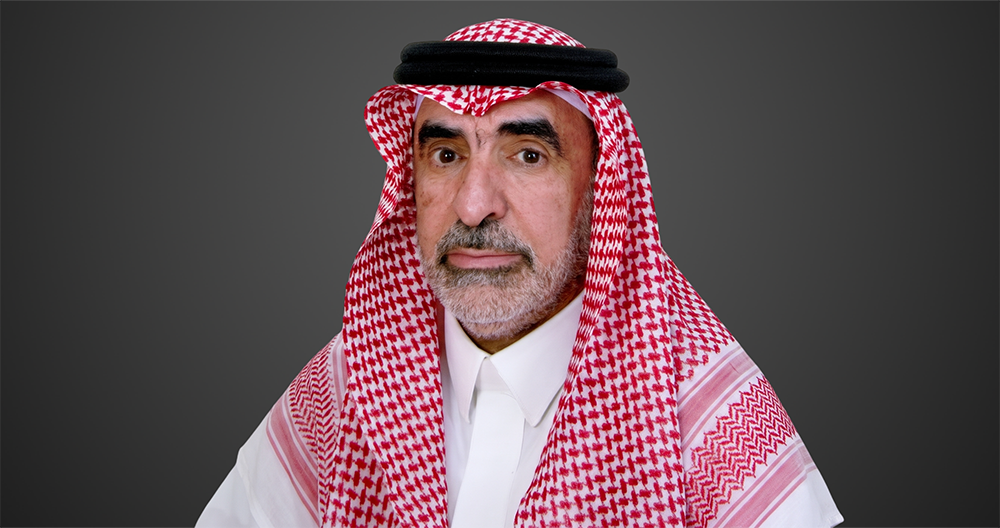
Ibrahim Al-Babtain, Chairman of Al-Babtain Power and Telecommunication Co.
In an interview with Argaam, Al-Babtain explained that the growth in contracted work during the year reflects the company’s ability to replace completed projects with new contracts. He expects most of the contracted work to be reflected in revenue over the next 12 to 15 months, depending on project execution schedules. 
Regarding the contracts for the design, manufacturing, and supply of electricity transmission towers signed by the company with several contractors in November 2024 and February 2025, with a total value of about SAR 1.79 billion, Al-Babtain said most of the work had been completed, while the remaining work was being finalized according to plan. He noted that the company continues to participate in tenders and secure new contracts to replace completed projects.
Al-Babtain also said net profit attributable to shareholders rose 16.7% in Q3 2026 to SAR 148.5 million, while revenue increased 1.5% to SAR 788.5 million. He indicated that this reflected an improvement in the company’s operational efficiency, supported by an increase in gross profit margin to 25.2%, lower general, administrative, and selling expenses, as well as lower financing costs.
The company’s 9M 2026 gross profit margin improved from 23.6% to 25.3%. Current margins reflect a favorable project mix, although they may fluctuate in the coming periods depending on project types and raw material price volatility, amid continued supply chain disruptions and higher shipping and insurance costs. The company continues to focus on operational efficiency and cost control, according to the top official.
He also highlighted that Q3 2026 revenue was close to the average revenue recorded in Q1 and Q2, noting that quarterly revenue is inherently affected by project delivery timing. He added that the current contracted backlog supports revenue levels in the coming periods, while the company continues to focus on profit margins and improving operational efficiency.
The company’s revenue grew 12% in 9M 2026 to SAR 2.346 billion, while net profit rose 41.5% to SAR 443.4 million, said Al-Babtain. He noted that Q3 performance forms part of a broader trend of improvement throughout the year.
At the segment level, he explained that the first nine months witnessed revenue growth in the towers and metal structures, poles and lighting, and design, supply, and installation segments.
Regarding the impact of current geopolitical and economic conditions, Al-Babtain said demand for the company’s products remains strong, driven by continued investment in expanding power transmission and distribution networks, the completion of major projects in line with Saudi Vision 2030, and growth in Egypt and the Gulf countries, both of which recorded revenue growth in the first nine months.
He explained that geopolitical conditions had a limited impact on the company’s sales during the current period, with the main effect being on supply chains, as shipping and customs clearance times for raw materials increased.
The company addressed these developments by increasing inventory levels to ensure production continuity and meet customer delivery schedules. The period also witnessed fluctuations in raw material prices and higher shipping and insurance costs, which the company manages through pre-established plans, said Al-Babtain.
He noted that the company takes these cost increases into account when contracting for new projects and considers market prices when pricing contracts, thereby limiting their impact on profit margins.
Al-Babtain said raw materials, particularly iron and zinc, represent the largest component of revenue costs. He explained that prices under existing contracts are fixed and cannot be adjusted, prompting the company to secure the raw materials required for their execution in advance to limit the impact of price fluctuations on margins.
New contracts, meanwhile, are priced according to current market rates, reflecting changes in raw material, shipping, and insurance costs.
Regarding future opportunities, Al-Babtain said the company sees promising prospects in 2027 and is targeting projects across several segments, particularly towers and metal structures, poles and lighting, design, supply, and installation, solar energy, as well as overseas markets.
He explained that opportunities in the towers and metal structures segment are linked to continued expansion of Saudi Energy Co.’s power transmission and distribution networks, growing electricity demand from data centers and industrial projects, and the integration of renewable energy projects into the grid.
The poles and lighting segment is benefiting from major infrastructure projects under Saudi Vision 2030, including preparations for Riyadh Expo 2030 and the 2034 FIFA World Cup, as well as projects in Qiddiya, Diriyah, and King Salman International Airport, said the Chairman. He noted that lighting works typically come in the later stages of infrastructure expansion, while local content requirements support the company’s domestic manufacturing base.
Al-Babtain expects demand for towers and metal structures to remain strong, with a gradual improvement in the poles and lighting segment as major projects advance toward completion and finishing stages.
In the design, supply, and installation segment, he said the company is optimistic about the future prospects of the telecommunications infrastructure sector, amid rapid transformation across the Middle East driven by the expansion of 5G networks, telecommunications network upgrades, digital infrastructure development, growing demand for data services, and increased investment in data centers.
In the solar energy segment, he expects new projects to be launched in 2027, explaining that the company focuses on commercial and government projects and is studying the addition of new products to improve production capacity utilization.
Regarding overseas markets, he confirmed that growth opportunities exist in Egypt amid plans to integrate renewable energy into the electricity grid, in addition to opportunities across the Gulf countries.
Al-Babtain also said the company continues to focus on improving working capital management, enhancing the cash conversion cycle, and increasing inventory management efficiency, while continuing to rationalize financing costs and manage financial obligations in line with operating cash flows. These efforts support liquidity and strengthen the company’s long-term financial flexibility.
He confirmed that the company follows a balanced financial policy aimed at maintaining debt levels within appropriate limits for its business and in line with sector averages, while balancing the financing of operating requirements, supporting growth plans, and preserving a strong financial position. The company also continues to improve financing management efficiency and rationalize costs.
Regarding its Q4 2026 outlook, Al-Babtain said: “We view the final quarter with cautious optimism, despite our strong performance in the first nine months of 2026, the size of its contracted backlog, and strong demand for its products.”
The Chairman added that Q4 2026 could be slightly affected by the timing of project execution and delivery, as well as continued geopolitical developments and the resulting pressure on supply chains and material, shipping, and insurance costs. He confirmed that the company will continue to focus on improving margins, operational efficiency, and cost control.
Regarding dividends, he said the board had approved a distribution of SAR 0.50 per share for Q3 2026, bringing total announced distributions for the first nine months of 2026 to SAR 1.50 per share. “This reflects the board’s confidence in the company’s financial strength and continued performance, as well as its commitment to regular and sustainable cash distributions to meet shareholders’ expectations and aspirations,” he continued.
Ibrahim Al-Babtain, Chairman of Al-Babtain Power and Telecommunication Co.
In an interview with Argaam, Al-Babtain explained that the growth in contracted work during the year reflects the company’s ability to replace completed projects with new contracts. He expects most of the contracted work to be reflected in revenue over the next 12 to 15 months, depending on project execution schedules.
Regarding the contracts for the design, manufacturing, and supply of electricity transmission towers signed by the company with several contractors in November 2024 and February 2025, with a total value of about SAR 1.79 billion, Al-Babtain said most of the work had been completed, while the remaining work was being finalized according to plan. He noted that the company continues to participate in tenders and secure new contracts to replace completed projects.
Al-Babtain also said net profit attributable to shareholders rose 16.7% in Q3 2026 to SAR 148.5 million, while revenue increased 1.5% to SAR 788.5 million. He indicated that this reflected an improvement in the company’s operational efficiency, supported by an increase in gross profit margin to 25.2%, lower general, administrative, and selling expenses, as well as lower financing costs.
The company’s 9M 2026 gross profit margin improved from 23.6% to 25.3%. Current margins reflect a favorable project mix, although they may fluctuate in the coming periods depending on project types and raw material price volatility, amid continued supply chain disruptions and higher shipping and insurance costs. The company continues to focus on operational efficiency and cost control, according to the top official.
He also highlighted that Q3 2026 revenue was close to the average revenue recorded in Q1 and Q2, noting that quarterly revenue is inherently affected by project delivery timing. He added that the current contracted backlog supports revenue levels in the coming periods, while the company continues to focus on profit margins and improving operational efficiency.
The company’s revenue grew 12% in 9M 2026 to SAR 2.346 billion, while net profit rose 41.5% to SAR 443.4 million, said Al-Babtain. He noted that Q3 performance forms part of a broader trend of improvement throughout the year.
At the segment level, he explained that the first nine months witnessed revenue growth in the towers and metal structures, poles and lighting, and design, supply, and installation segments.
Regarding the impact of current geopolitical and economic conditions, Al-Babtain said demand for the company’s products remains strong, driven by continued investment in expanding power transmission and distribution networks, the completion of major projects in line with Saudi Vision 2030, and growth in Egypt and the Gulf countries, both of which recorded revenue growth in the first nine months.
He explained that geopolitical conditions had a limited impact on the company’s sales during the current period, with the main effect being on supply chains, as shipping and customs clearance times for raw materials increased.
The company addressed these developments by increasing inventory levels to ensure production continuity and meet customer delivery schedules. The period also witnessed fluctuations in raw material prices and higher shipping and insurance costs, which the company manages through pre-established plans, said Al-Babtain.
He noted that the company takes these cost increases into account when contracting for new projects and considers market prices when pricing contracts, thereby limiting their impact on profit margins.
Al-Babtain said raw materials, particularly iron and zinc, represent the largest component of revenue costs. He explained that prices under existing contracts are fixed and cannot be adjusted, prompting the company to secure the raw materials required for their execution in advance to limit the impact of price fluctuations on margins.
New contracts, meanwhile, are priced according to current market rates, reflecting changes in raw material, shipping, and insurance costs.
Regarding future opportunities, Al-Babtain said the company sees promising prospects in 2027 and is targeting projects across several segments, particularly towers and metal structures, poles and lighting, design, supply, and installation, solar energy, as well as overseas markets.
He explained that opportunities in the towers and metal structures segment are linked to continued expansion of Saudi Energy Co.’s power transmission and distribution networks, growing electricity demand from data centers and industrial projects, and the integration of renewable energy projects into the grid.
The poles and lighting segment is benefiting from major infrastructure projects under Saudi Vision 2030, including preparations for Riyadh Expo 2030 and the 2034 FIFA World Cup, as well as projects in Qiddiya, Diriyah, and King Salman International Airport, said the Chairman. He noted that lighting works typically come in the later stages of infrastructure expansion, while local content requirements support the company’s domestic manufacturing base.
Al-Babtain expects demand for towers and metal structures to remain strong, with a gradual improvement in the poles and lighting segment as major projects advance toward completion and finishing stages.
In the design, supply, and installation segment, he said the company is optimistic about the future prospects of the telecommunications infrastructure sector, amid rapid transformation across the Middle East driven by the expansion of 5G networks, telecommunications network upgrades, digital infrastructure development, growing demand for data services, and increased investment in data centers.
In the solar energy segment, he expects new projects to be launched in 2027, explaining that the company focuses on commercial and government projects and is studying the addition of new products to improve production capacity utilization.
Regarding overseas markets, he confirmed that growth opportunities exist in Egypt amid plans to integrate renewable energy into the electricity grid, in addition to opportunities across the Gulf countries.
Al-Babtain also said the company continues to focus on improving working capital management, enhancing the cash conversion cycle, and increasing inventory management efficiency, while continuing to rationalize financing costs and manage financial obligations in line with operating cash flows. These efforts support liquidity and strengthen the company’s long-term financial flexibility.
He confirmed that the company follows a balanced financial policy aimed at maintaining debt levels within appropriate limits for its business and in line with sector averages, while balancing the financing of operating requirements, supporting growth plans, and preserving a strong financial position. The company also continues to improve financing management efficiency and rationalize costs.
Regarding its Q4 2026 outlook, Al-Babtain said: “We view the final quarter with cautious optimism, despite our strong performance in the first nine months of 2026, the size of its contracted backlog, and strong demand for its products.”
The Chairman added that Q4 2026 could be slightly affected by the timing of project execution and delivery, as well as continued geopolitical developments and the resulting pressure on supply chains and material, shipping, and insurance costs. He confirmed that the company will continue to focus on improving margins, operational efficiency, and cost control.
Regarding dividends, he said the board had approved a distribution of SAR 0.50 per share for Q3 2026, bringing total announced distributions for the first nine months of 2026 to SAR 1.50 per share. “This reflects the board’s confidence in the company’s financial strength and continued performance, as well as its commitment to regular and sustainable cash distributions to meet shareholders’ expectations and aspirations,” he continued.