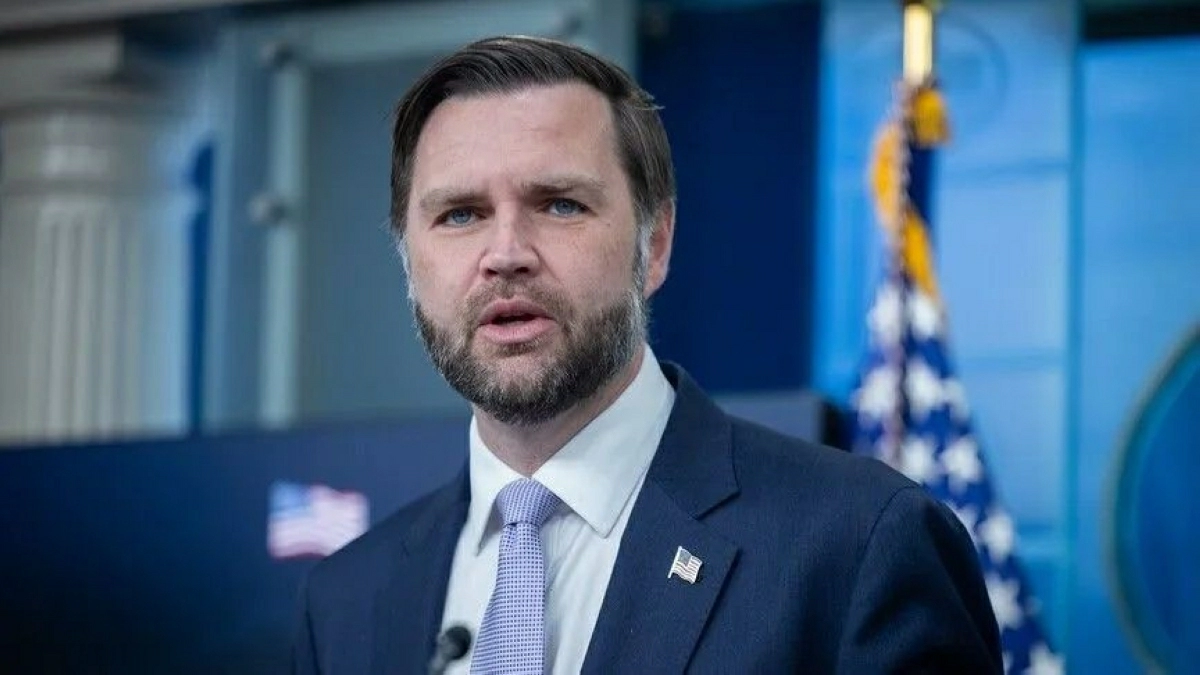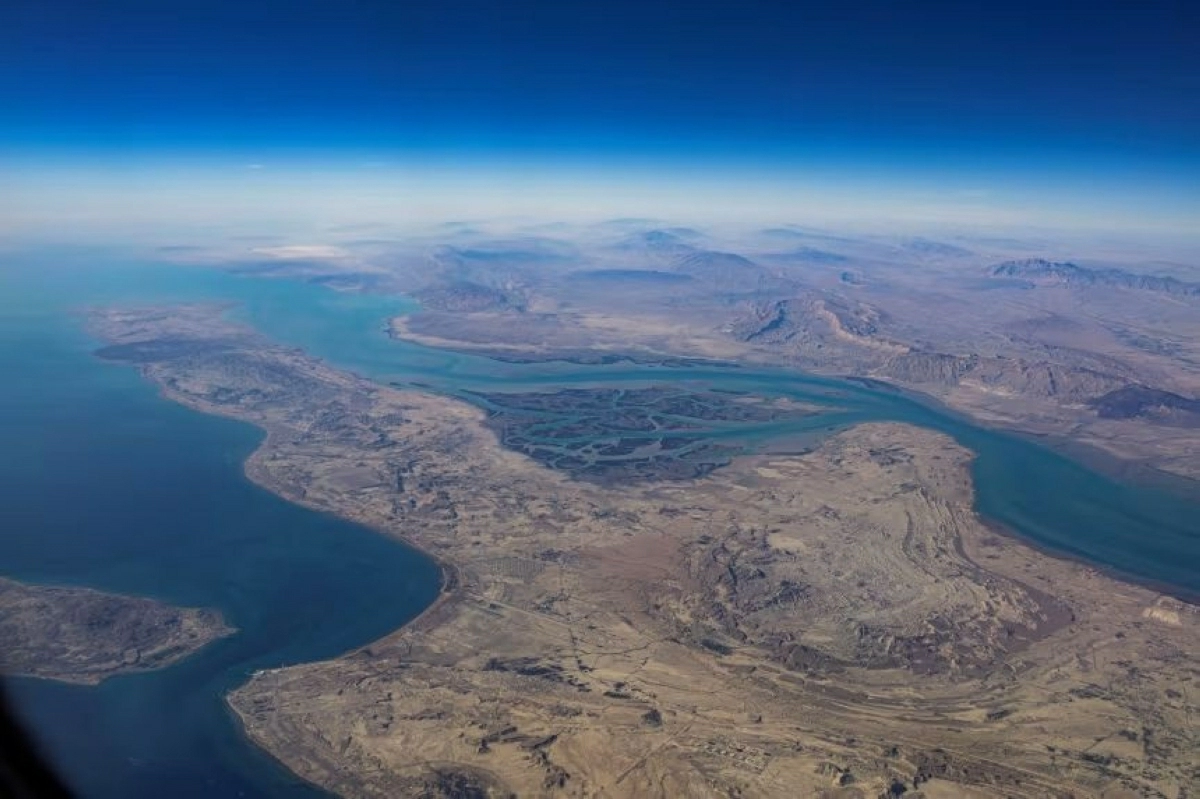
WASHINGTON — The United States has launched “defensive strikes” on Iran’s Qeshm island in the Strait of Hormuz on the eve of crucial midterm elections, according to US officials.Iranian state news agency IRNA confirmed several explosions on the island on Monday.The US officials described the strikes as limited and said they were in response to Iran’s Islamic Revolutionary Guard Corps (IRGC) firing upon a US aircraft.The strikes appeared to be limited as opposed to a return to full hostilities but followed President Donald Trump previously saying the US wouldn’t launch strikes on Iran before Tuesday’s midterms. The strikes were reported by The Wall Street Journal and CBS News.The unpopular Iran war and the resulting impact on US gasoline prices and other parts of the economy have been a vulnerability for Republicans as they try to keep control of Congress.The administration was last known to have carried out some attacks in early September, but thousands of US troops remain in the waters off Iran to maintain a naval blockade aimed at preventing tankers carrying Iranian oil from getting to the global market. A third aircraft carrier and thousands of additional troops are on their way to the Middle East.Earlier Monday, US Vice President JD Vance offered optimism that a deal can still be struck to prevent Trump from following through on his threat to potentially order new strikes on Iran after the midterm elections.Vance sent a letter to Iran’s security chief, Mohsen Rezaei, last week, but the White House has offered scant details about the contents. Trump told reporters that the letter was focused on assisting Iran with “medical supplies and various things.”But Vance on Monday suggested there’s reason to believe that the US and Iran could still come to an agreement.“We’ve had a number of good conversations with the Iranians,” Vance told reporters on Monday when asked about the letter. “I actually just spoke with the president of the United States about an hour ago about this. Look, the president and I both feel pretty good about the prospects for potentially coming to a negotiated settlement. We’re going to keep on working at it.”Vance’s comments came as the region remains on edge about the prospects of the US resuming full-scale operations against Iran. The backchannel efforts are playing out as Israel and some Middle East allies lobby Trump on the way ahead in the 8-month-old war that has rattled global markets and wreaked havoc on Iran.Israeli Prime Minister Benjamin Netanyahu is pushing for another wave of strikes on Iran after Tuesday’s elections in the United States, according to two regional officials and a third person familiar with the matter.A return to full-scale war with Iran could help Netanyahu to form an emergency government after he and his far-right allies lost their parliamentary majority in last week’s elections. Trump has alternated between threatening major strikes and pushing for a deal with Iran.The two officials said diplomatic efforts have made progress, with Qatari mediators holding two rounds of talks last week with Iranian officials. The two officials said the mediators are trying to advance a framework for Iran to cease its attacks in the Strait of Hormuz in return for the US lifting its blockade on Iran’s ports.They said more talks are planned for this week. The two officials spoke on condition of anonymity because they were discussing classified briefings they had received from American and Israeli officials.One official said Netanyahu was working with senior officials in the US administration to persuade Trump to launch a quick but extensive air campaign and that the president does not appear to have made a decision.Netanyahu pressed for strikes during a call over the weekend with Trump, who would not commit to taking military action, according to a person who was briefed on it.Other US allies in the Middle East are warning against more strikes, saying that would destabilize the region and could lead Iran-allied Houthi rebels in Yemen to step up their attacks on Saudi Arabia and Red Sea shipping, a third regional official said. Iran-backed militias in Iraq could also get involved.Saudi Defense Minister Prince Khalid bin Salman said he spoke by phone on Monday with US Secretary of Defense Pete Hegseth about “the latest regional and international developments” and the Houthis’ continued attacks on Saudi Arabia.Oil prices dropped sharply on Monday as renewed diplomatic efforts to end the war between the US and Iran appeared to show signs of headway. Rising prices at the pump, a byproduct of the war, have been a weight on Trump’s Republican Party as it tries to maintain control of both chambers of Congress.Trump noted the drop in a speech in Washington on Monday, which was billed as his closing argument to Americans, and sought to minimize the scale of the conflict, which has cost US taxpayers at least $47 billion.“I don’t know if you even call it a war, because we haven’t been doing any fighting for months,” Trump said.Netanyahu has not commented on Iran since the Israeli election, and there was no word from his office on the latest call with Trump.Iranian officials say publicly they are prepared for war or diplomacy.Iran’s foreign minister Abbas Araghchi told the IRNA earlier that “very intensive” talks to try and end the war are under way with the US via mediators.He also said Tehran was prepared for both diplomatic and military scenarios “more than ever before” and that it was up to the US to choose between a “wise path” of negotiation or the “mistake of military aggression”.But Iran wants guarantees that the US will implement its side of any agreement. The US and Israel have twice attacked Iran while it was engaged in negotiations over its disputed nuclear program.The new supreme leader, Ayatollah Mojtaba Khamenei, met with Iran’s military chiefs and said the response to “any kind and level of threat” from the US or Israel should be immediate and without “geographic limits,” and urged an expansion of the list of potential targets.A recent analysis by The Associated Press found that Iranian strikes on more than two dozen US bases since the start of the war have caused billions of dollars in equipment damage.Iran’s security chief, Mohsen Rezaei, told state television that “the tone has completely changed” from the US and called it a “very good sign.” He also gave no details about the letter he received from Vance, which Iran acknowledged last week, and said he had not responded.Meanwhile, Vance told reporters on Monday that the Republican administration’s foremost concern is Iran agreeing to take substantive action on its nuclear program.“We do think that there is a pathway there, but it really does require a firm commitment and a verifiable commitment that they don’t rebuild that nuclear program,” Vance added.
Keep Up to Date with our Weekly Newsletter