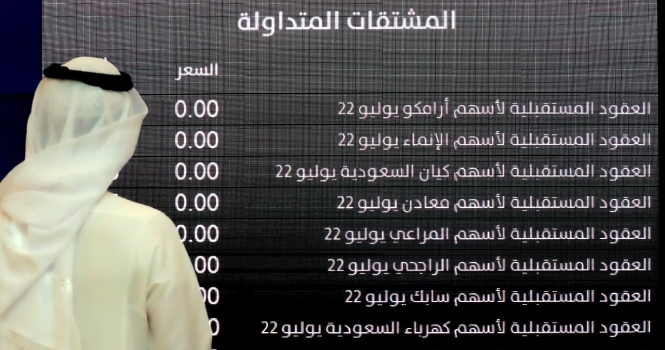
The value of derivatives trading in the Saudi Exchange (Tadawul) rose to around SAR 1.157 billion in September 2026, compared to approximately SAR 404.9 million in August and SAR 280,000 in July. The market recorded no trading during the first half of the current year.
The number of contracts traded also increased to 26,510 in September, compared to 9,725 contracts in August, while the number of transactions reached 5,526, versus around 1,990 transactions in the previous month.
Analysts surveyed by Argaam said the surge in derivatives trading coincided with the implementation of a package of regulatory enhancements that took effect on August 19. The measures helped reduce trading costs, improve capital efficiency, and boost market-making activity.
They expect liquidity and trading activity to continue growing in the coming period, noting that sustaining this growth will require broadening the institutional investor base, strengthening the role of market makers, and increasing the use of derivatives for hedging and investment portfolio management.
Derivatives Market Statistics
Month
Trading Volume
(Contracts)
Trading Value
(SAR mln)
No. of Deals
January–June
—
—
—
July
2
0.28
2
August
9725
404.86
1990
September
26510
1156.58
5526
Nine Months
36237
1561.71
7518
Abdullah bin Sami Al-Salloum, Professor of Finance and Investment at Imam Mohammad Ibn Saud Islamic University, said the activity witnessed in the derivatives market during August and September coincided with the implementation of structural changes that began on August 19, particularly initiatives aimed at enhancing the effectiveness of market making.
He told Argaam that the value of futures contracts traded rose from SAR 280,000 in July to around SAR 405 million in August, or approximately 1,446 times July’s level, before reaching SAR 1.16 billion in September, an increase of around 186% month-on-month.
The package of enhancements addressed several barriers simultaneously, including restructuring the market-making framework, reducing trading, clearing, and regulatory fees, exempting futures contracts from trading and final settlement fees for one year, and improving the margin mechanism to enhance capital efficiency, he added.
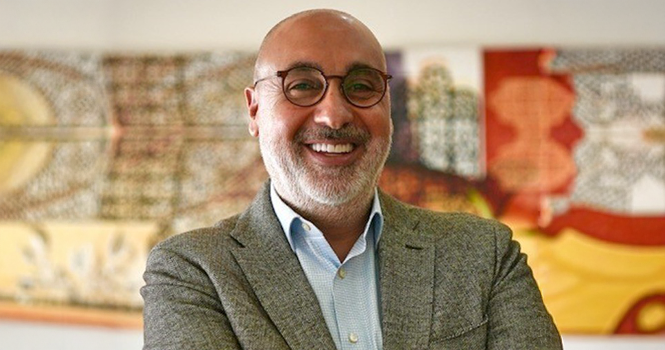
Qaisar Noor, Managing Partner at RSM Strategy KSA
For his part, Qaisar Noor, Managing Partner at RSM Strategy KSA, said the sharp increase in derivatives trading primarily reflects the impact of regulatory reforms aimed at addressing trading costs, capital requirements, and liquidity simultaneously.
He told Argaamthat the market response was swift following the implementation of the amendments, noting that lower trading costs, improved margin requirements, and enhanced market making collectively increased the attractiveness of futures contracts and boosted trading activity.
These developments represent a shift in the operating environment of the derivatives market. However, trading volumes alone are insufficient to assess the market’s development, as open interest levels, liquidity sustainability, and trading depth should also be considered, he added.
Liquidity growth expected to continue; sustainability linked to institutional demand
Al-Salloum expects the value of trading, number of contracts, and number of transactions to continue rising to higher levels, particularly in the short term, as the regulatory amendments are aimed at enhancing market liquidity.
He indicated that sustaining this growth requires natural demand for derivatives contracts and that equity futures become part of institutional investors’ strategies for hedging market risks and managing investment portfolios.
The regular use of these instruments by investment institutions will be an indicator of sustainable growth, rather than the increase being limited to the initial boost resulting from regulatory enhancements, according to Al-Salloum.
In the same context, Noor said sustained liquidity depends on the development of the participant base and diversification of their uses. He highlighted the importance of distinguishing between growth in trading value and an increase in open interest, noting that higher activity does not necessarily indicate a corresponding expansion in long-term demand for hedging instruments.
He added that increasing participation by institutional investors and market makers, along with developing products and operational infrastructure, is a key factor in the market’s transition from activity driven by regulatory incentives to more sustainable growth.
Where was trading concentrated?
Most of the trading value was concentrated in MT30 Index futures, which recorded a trading value of SAR 1.05 billion in September, or around 91% of total derivatives trading value.
Single-stock futures recorded a trading value of SAR 108.75 million, while single-stock options recorded no trading activity.
Derivatives Market Statistics by Type
Product
September Value (SAR mln)
% to Total
MT30 Index futures
1048
90.6%
Single-stock futures
109
9.4%
Stock options
—
—
Total
1157
100%
Al-Salloum added that this was one of the reasons MT30 Index futures were selected as the first product to be traded in the Saudi derivatives market following its launch in 2020.
He expects the value and number of single-stock futures trades to increase as institutional investor participation grows, particularly among investors whose portfolios are concentrated in specific sectors rather than those that replicate overall market performance. He also expects increased activity by licensed market makers to cover mid- and small-cap companies.
For his part, Noor explained that the dominance of MT30 Index futures reflects investors’ preference for instruments that provide broad market exposure and the ability to hedge against market movements, compared with contracts linked to individual stocks.
He highlighted that the concentration of trading value in index futures does not necessarily reflect the same distribution in terms of contract numbers or open interest, given differences in contract sizes and notional values across products.
Increasing market depth requires diversification of activity across index and single-stock futures, providing investors with broader options for hedging and risk management, Noor stated.
Maaden accounts for 47% of single-stock futures trading
At the single-stock futures level, Maaden contracts led trading with a value of SAR 51.39 million in September, representing 47.3% of the total value of single-stock futures trading.
Al Rajhi Bank contracts ranked second at SAR 27.70 million, followed by stc at SAR 12.26 million, Saudi National Bank (SNB) at around SAR 10.93 million, and Saudi Aramco at SAR 6.45 million.
By contrast, futures contracts on Alinma Bank, Saudi Kayan, Almarai, SABIC, and Saudi Electricity shares recorded no trading during September.
Single-stock futures
Stock
Trading Volume (Contracts)
Trading Value (SAR mln)
No. of Deals
Maaden
7964
51.39
1683
Al Rajhi Bank
3413
27.70
671
stc
2815
12.26
561
SNB
2641
10.93
522
Saudi Aramco
2495
6.45
492
Total
19328
108.75
3929
Why are stock options still not being traded?
Al-Salloum said the limited activity in single-stock futures is reflected even more clearly in the stock options market, which has yet to record any trading.
Options contracts are technically more complex, particularly in terms of pricing, multiple strike prices, and expiration dates, requiring higher and more sustainable levels of liquidity. This is also evident in the experience of other derivatives markets, he added.
Al-Salloum further stated that stimulating trading and liquidity in benchmark futures contracts is the first step toward activating options contracts, noting that broadening the investor and market-maker base, together with the volatility characteristics of underlying assets, would improve the tradability of these contracts.
Noor, for his part, attributed the absence of trading in stock options to several factors, most notably liquidity being fragmented across different strike prices and expiration dates, as well as the limited depth of the futures market used to hedge risks associated with options.
He explained that the options market requires a more developed ecosystem of liquidity, market making, and risk management, noting that increased futures trading is an important step toward building this ecosystem.
Noor also said that developing the derivatives market requires greater participation by market makers and institutional investors and improved pricing and hedging efficiency, supporting growth in trading of more complex products in the coming stages.
What Is the MT30 Index?
MT30 is the MSCI Tadawul 30 Index, comprising around 30 of the largest and most liquid Saudi stocks. It serves as the underlying asset for futures contracts, allowing investors to take a position on the performance of a group of stocks rather than an individual stock.
What is the difference between futures and options?
Futures: Futures are contracts that are binding on both parties and are used for speculation or hedging against price movements.
Options: Options give the buyer the right, but not the obligation, to buy or sell an underlying asset at a specified price during a certain period, while the option seller is obligated to execute the transaction if the buyer exercises the option.
What changed in August?
A package of enhancements to the derivatives market took effect on August 19, 2026. The measures included restructuring market making, reducing trading and clearing fees, fee exemptions, as well as improvements to margin requirements and contract specifications.
Trading increased following the implementation of these amendments, but the data alone are not sufficient to establish that the increase were fully attributed to thee amendments.
The value of derivatives trading in the Saudi Exchange (Tadawul) rose to around SAR 1.157 billion in September 2026, compared to approximately SAR 404.9 million in August and SAR 280,000 in July. The market recorded no trading during the first half of the current year.
The number of contracts traded also increased to 26,510 in September, compared to 9,725 contracts in August, while the number of transactions reached 5,526, versus around 1,990 transactions in the previous month.
Analysts surveyed by Argaam said the surge in derivatives trading coincided with the implementation of a package of regulatory enhancements that took effect on August 19. The measures helped reduce trading costs, improve capital efficiency, and boost market-making activity.
They expect liquidity and trading activity to continue growing in the coming period, noting that sustaining this growth will require broadening the institutional investor base, strengthening the role of market makers, and increasing the use of derivatives for hedging and investment portfolio management.
Derivatives Market Statistics
Month
Trading Volume
(Contracts)
Trading Value
(SAR mln)
No. of Deals
January–June
—
—
—
July
2
0.28
2
August
9725
404.86
1990
September
26510
1156.58
5526
Nine Months
36237
1561.71
7518
Abdullah bin Sami Al-Salloum, Professor of Finance and Investment at Imam Mohammad Ibn Saud Islamic University, said the activity witnessed in the derivatives market during August and September coincided with the implementation of structural changes that began on August 19, particularly initiatives aimed at enhancing the effectiveness of market making.
He told Argaam that the value of futures contracts traded rose from SAR 280,000 in July to around SAR 405 million in August, or approximately 1,446 times July’s level, before reaching SAR 1.16 billion in September, an increase of around 186% month-on-month.
The package of enhancements addressed several barriers simultaneously, including restructuring the market-making framework, reducing trading, clearing, and regulatory fees, exempting futures contracts from trading and final settlement fees for one year, and improving the margin mechanism to enhance capital efficiency, he added.
Qaisar Noor, Managing Partner at RSM Strategy KSA
For his part, Qaisar Noor, Managing Partner at RSM Strategy KSA, said the sharp increase in derivatives trading primarily reflects the impact of regulatory reforms aimed at addressing trading costs, capital requirements, and liquidity simultaneously.
He told Argaamthat the market response was swift following the implementation of the amendments, noting that lower trading costs, improved margin requirements, and enhanced market making collectively increased the attractiveness of futures contracts and boosted trading activity.
These developments represent a shift in the operating environment of the derivatives market. However, trading volumes alone are insufficient to assess the market’s development, as open interest levels, liquidity sustainability, and trading depth should also be considered, he added.
Liquidity growth expected to continue; sustainability linked to institutional demand
Al-Salloum expects the value of trading, number of contracts, and number of transactions to continue rising to higher levels, particularly in the short term, as the regulatory amendments are aimed at enhancing market liquidity.
He indicated that sustaining this growth requires natural demand for derivatives contracts and that equity futures become part of institutional investors’ strategies for hedging market risks and managing investment portfolios.
The regular use of these instruments by investment institutions will be an indicator of sustainable growth, rather than the increase being limited to the initial boost resulting from regulatory enhancements, according to Al-Salloum.
In the same context, Noor said sustained liquidity depends on the development of the participant base and diversification of their uses. He highlighted the importance of distinguishing between growth in trading value and an increase in open interest, noting that higher activity does not necessarily indicate a corresponding expansion in long-term demand for hedging instruments.
He added that increasing participation by institutional investors and market makers, along with developing products and operational infrastructure, is a key factor in the market’s transition from activity driven by regulatory incentives to more sustainable growth.
Where was trading concentrated?
Most of the trading value was concentrated in MT30 Index futures, which recorded a trading value of SAR 1.05 billion in September, or around 91% of total derivatives trading value.
Single-stock futures recorded a trading value of SAR 108.75 million, while single-stock options recorded no trading activity.
Derivatives Market Statistics by Type
Product
September Value (SAR mln)
% to Total
MT30 Index futures
1048
90.6%
Single-stock futures
109
9.4%
Stock options
—
—
Total
1157
100%
Al-Salloum added that this was one of the reasons MT30 Index futures were selected as the first product to be traded in the Saudi derivatives market following its launch in 2020.
He expects the value and number of single-stock futures trades to increase as institutional investor participation grows, particularly among investors whose portfolios are concentrated in specific sectors rather than those that replicate overall market performance. He also expects increased activity by licensed market makers to cover mid- and small-cap companies.
For his part, Noor explained that the dominance of MT30 Index futures reflects investors’ preference for instruments that provide broad market exposure and the ability to hedge against market movements, compared with contracts linked to individual stocks.
He highlighted that the concentration of trading value in index futures does not necessarily reflect the same distribution in terms of contract numbers or open interest, given differences in contract sizes and notional values across products.
Increasing market depth requires diversification of activity across index and single-stock futures, providing investors with broader options for hedging and risk management, Noor stated.
Maaden accounts for 47% of single-stock futures trading
At the single-stock futures level, Maaden contracts led trading with a value of SAR 51.39 million in September, representing 47.3% of the total value of single-stock futures trading.
Al Rajhi Bank contracts ranked second at SAR 27.70 million, followed by stc at SAR 12.26 million, Saudi National Bank (SNB) at around SAR 10.93 million, and Saudi Aramco at SAR 6.45 million.
By contrast, futures contracts on Alinma Bank, Saudi Kayan, Almarai, SABIC, and Saudi Electricity shares recorded no trading during September.
Single-stock futures
Stock
Trading Volume (Contracts)
Trading Value (SAR mln)
No. of Deals
Maaden
7964
51.39
1683
Al Rajhi Bank
3413
27.70
671
stc
2815
12.26
561
SNB
2641
10.93
522
Saudi Aramco
2495
6.45
492
Total
19328
108.75
3929
Why are stock options still not being traded?
Al-Salloum said the limited activity in single-stock futures is reflected even more clearly in the stock options market, which has yet to record any trading.
Options contracts are technically more complex, particularly in terms of pricing, multiple strike prices, and expiration dates, requiring higher and more sustainable levels of liquidity. This is also evident in the experience of other derivatives markets, he added.
Al-Salloum further stated that stimulating trading and liquidity in benchmark futures contracts is the first step toward activating options contracts, noting that broadening the investor and market-maker base, together with the volatility characteristics of underlying assets, would improve the tradability of these contracts.
Noor, for his part, attributed the absence of trading in stock options to several factors, most notably liquidity being fragmented across different strike prices and expiration dates, as well as the limited depth of the futures market used to hedge risks associated with options.
He explained that the options market requires a more developed ecosystem of liquidity, market making, and risk management, noting that increased futures trading is an important step toward building this ecosystem.
Noor also said that developing the derivatives market requires greater participation by market makers and institutional investors and improved pricing and hedging efficiency, supporting growth in trading of more complex products in the coming stages.
What Is the MT30 Index?
MT30 is the MSCI Tadawul 30 Index, comprising around 30 of the largest and most liquid Saudi stocks. It serves as the underlying asset for futures contracts, allowing investors to take a position on the performance of a group of stocks rather than an individual stock.
What is the difference between futures and options?
Futures: Futures are contracts that are binding on both parties and are used for speculation or hedging against price movements.
Options: Options give the buyer the right, but not the obligation, to buy or sell an underlying asset at a specified price during a certain period, while the option seller is obligated to execute the transaction if the buyer exercises the option.
What changed in August?
A package of enhancements to the derivatives market took effect on August 19, 2026. The measures included restructuring market making, reducing trading and clearing fees, fee exemptions, as well as improvements to margin requirements and contract specifications.
Trading increased following the implementation of these amendments, but the data alone are not sufficient to establish that the increase were fully attributed to thee amendments.