Saudi Arabia celebrates its National Day today, Sept. 23 each year, marking the unification and founding of the Kingdom on Sept. 23, 1932, under the leadership of its founder, King Abdulaziz bin Abdulrahman Al Saud.
King Abdulaziz bin Abdulrahman Al Saud
Reign: Sept. 23, 1932 – Nov. 9, 1953
King Abdulaziz was succeeded by his sons, who have ruled the Kingdom ever since.
King Saud bin Abdulaziz Al Saud
Reign: Nov. 9, 1953 – Nov. 2, 1964
King Faisal bin Abdulaziz Al Saud
Reign: Nov. 2, 1964 – March 25, 1975
King Khalid bin Abdulaziz Al Saud
Reign: March 25, 1975 – June 13, 1982
King Fahd bin Abdulaziz Al Saud
Reign: June 13, 1982 – Aug. 1, 2005
King Abdullah bin Abdulaziz Al Saud
Reign: Aug. 1, 2005 – Jan. 23, 2015
King Salman bin Abdulaziz Al Saud
Reign: Jan. 23, 2015 – present
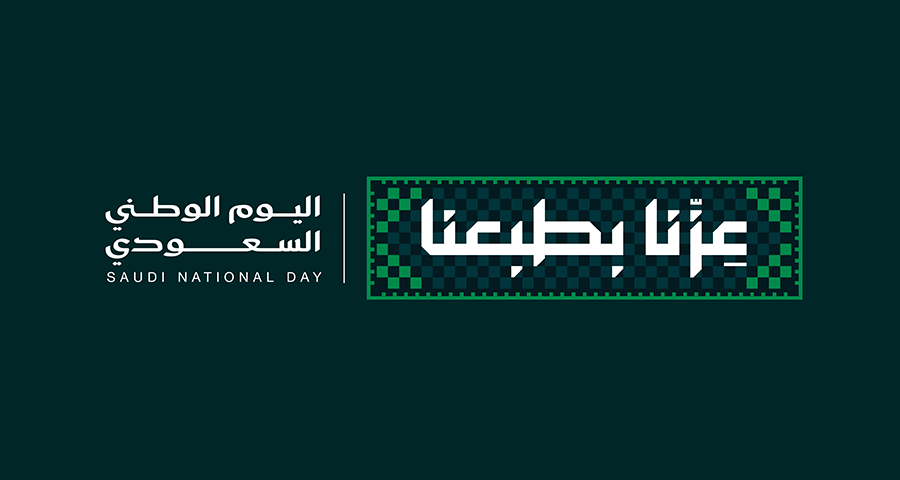
The Kingdom celebrates its 96th National Day under the slogan “Our Pride Is in Our Nature,” which reflects pride in the nation and a sense of belonging, drawing on the authentic values and traits that characterize Saudi society, including courage, vision, authenticity, determination, generosity, and giving.
The slogan’s key values are captured in the phrases “Our Pride Is in Our Courage,” “Our Pride Is in Our Vision,” “Our Pride Is in Our Authenticity,” “Our Pride Is in Our Determination,” “Our Pride Is in Our Generosity,” and “Our Pride Is in Our Giving.” Each phrase represents an authentic trait of Saudi society, all under the main slogan, “Our Pride Is in Our Nature.”
To mark the 95th National Day, Argaam reviews the key developments in Saudi Arabia since the launch of Vision 2030, including major decisions and large-scale projects across various sectors, aimed at boosting economic growth, improving living standards, achieving balanced development across the Kingdom’s regions, developing human capital, diversifying sources of production and income, and supporting the private sector.
On April 25, 2016, the Saudi Cabinet, chaired by Custodian of the Two Holy Mosques King Salman bin Abdulaziz Al Saud, approved Saudi Vision 2030, submitted by the Council of Economic and Development Affairs.
At the time, King Salman said: “We hope that citizens will work together to achieve this ambitious vision.”
Crown Prince Mohammed bin Salman then outlined the key features of Vision 2030, which included building a strong economy less dependent on oil, developing various economic sectors, transforming the Public Investment Fund (PIF) into a global investment powerhouse and increasing its assets to SAR 7 trillion, as well as transforming Saudi Aramco from an oil producer into a global industrial company.
The vision is built on three key pillars that support sustainable development and a more resilient economy. Several programs were launched under Vision 2030 to translate its objectives into action, including the National Transformation Program, Public Investment Fund Program, Housing Program, Pilgrim Experience Program, Fiscal Sustainability Program, Human Capability Development Program, Quality of Life Program, Privatization Program, Health Sector Transformation Program, Financial Sector Development Program, and National Industrial Development and Logistics Program.
Crown Prince and Prime Minister Mohammed bin Salman said Saudi Arabia would become the biggest success story of the 21st century, the fastest-growing economy, and one of the world’s strongest economies.
Key achievements since the launch of Vision 2030
· Saudi Arabia’s nominal GDP exceeded $1 trillion for the first time, reaching SAR 4.2 trillion in 2022.
· PIF assets under management grew nearly sixfold from SAR 570 billion by the end of 2015 to more than SAR 3.42 trillion by the end of 2024.
· Major projects launched included NEOM, Qiddiya, The Red Sea Project, ROSHN, Diriyah and Riyadh Air.
· Numerous companies were established across sectors including entertainment, tourism, defense, renewable energy, refinancing and sports.
· Saudi Aramco was partially floated on the Saudi Exchange (Tadawul). In 2019, 1.5% of the company’s shares were offered and listed, marking the largest listing in Saudi market history and the world’s largest IPO at the time. The government also conducted a secondary public offering of 1.54 billion Aramco shares in 2024, representing about 0.64% of the company’s issued shares.
· Saudi citizens’ homeownership rate rose from 47% in 2016 to around 66% in 2025.
· Saudi Arabia joined with other oil-producing countries to establish OPEC+. In 2020, the group agreed to the largest oil production cut in the market’s history, helping restore stability and balance to global markets amid the impact of the COVID-19 pandemic.
· The Kingdom launched a wide-ranging anti-corruption campaign, with total proceeds from anti-corruption settlements exceeding SAR 247 billion, equivalent to 20% of total non-oil revenues.
· Saudi Arabia achieved Vision 2030’s target of reducing the unemployment rate among Saudi citizens to 7%, its lowest level on record. The Ministry of Human Resources aims to lower the rate further to 5%.
During the same period, Saudi Arabia introduced several major initiatives and decisions, including approving the PIF’s five-year strategy; requiring government entities, starting in 2024, to stop contracting with foreign companies that have regional headquarters outside Saudi Arabia; transferring 4% of Aramco’s shares to PIF; and transferring another 4% to Sanabil Investments.
The Kingdom also launched Boutique Group, a luxury hospitality company, and Trojena, a global mountain tourism destination in NEOM.
It also introduced several strategies, including the National Development Fund Strategy and the Custodian of the Two Holy Mosques Scholarship Program Strategy.
Diriyah was added as the fifth major project owned by PIF, the Events Investment Fund was launched and PIF expanded its investments in local and global companies. New Murabba Development Co. was established to develop a major urban downtown in Riyadh.
Other initiatives included establishing Riyadh Air, launching the first phase of Riyadh Bus, establishing four special economic zones, launching the investment and privatization program for sports clubs, allocating $7.8 billion for Expo 2030, launching the master plan for logistics centers, and establishing a global water organization.
Saudi Arabia also completed the transfer of 8% of Aramco’s total issued shares from state ownership to portfolios of companies wholly owned by PIF.
The government also conducted a secondary public offering of 1.54 billion Aramco shares, representing about 0.64% of the company’s issued shares.
The Kingdom raised its estimate of mineral wealth from SAR 4.9 trillion to SAR 9.4 trillion and launched a geographic survey project for renewable energy projects in the Kingdom.
Saudi Arabia celebrates its National Day today, Sept. 23 each year, marking the unification and founding of the Kingdom on Sept. 23, 1932, under the leadership of its founder, King Abdulaziz bin Abdulrahman Al Saud.
King Abdulaziz bin Abdulrahman Al Saud
Reign: Sept. 23, 1932 – Nov. 9, 1953
King Abdulaziz was succeeded by his sons, who have ruled the Kingdom ever since.
King Saud bin Abdulaziz Al Saud
Reign: Nov. 9, 1953 – Nov. 2, 1964
King Faisal bin Abdulaziz Al Saud
Reign: Nov. 2, 1964 – March 25, 1975
King Khalid bin Abdulaziz Al Saud
Reign: March 25, 1975 – June 13, 1982
King Fahd bin Abdulaziz Al Saud
Reign: June 13, 1982 – Aug. 1, 2005
King Abdullah bin Abdulaziz Al Saud
Reign: Aug. 1, 2005 – Jan. 23, 2015
King Salman bin Abdulaziz Al Saud
Reign: Jan. 23, 2015 – present
The Kingdom celebrates its 96th National Day under the slogan “Our Pride Is in Our Nature,” which reflects pride in the nation and a sense of belonging, drawing on the authentic values and traits that characterize Saudi society, including courage, vision, authenticity, determination, generosity, and giving.
The slogan’s key values are captured in the phrases “Our Pride Is in Our Courage,” “Our Pride Is in Our Vision,” “Our Pride Is in Our Authenticity,” “Our Pride Is in Our Determination,” “Our Pride Is in Our Generosity,” and “Our Pride Is in Our Giving.” Each phrase represents an authentic trait of Saudi society, all under the main slogan, “Our Pride Is in Our Nature.”
To mark the 95th National Day, Argaam reviews the key developments in Saudi Arabia since the launch of Vision 2030, including major decisions and large-scale projects across various sectors, aimed at boosting economic growth, improving living standards, achieving balanced development across the Kingdom’s regions, developing human capital, diversifying sources of production and income, and supporting the private sector.
On April 25, 2016, the Saudi Cabinet, chaired by Custodian of the Two Holy Mosques King Salman bin Abdulaziz Al Saud, approved Saudi Vision 2030, submitted by the Council of Economic and Development Affairs.
At the time, King Salman said: “We hope that citizens will work together to achieve this ambitious vision.”
Crown Prince Mohammed bin Salman then outlined the key features of Vision 2030, which included building a strong economy less dependent on oil, developing various economic sectors, transforming the Public Investment Fund (PIF) into a global investment powerhouse and increasing its assets to SAR 7 trillion, as well as transforming Saudi Aramco from an oil producer into a global industrial company.
The vision is built on three key pillars that support sustainable development and a more resilient economy. Several programs were launched under Vision 2030 to translate its objectives into action, including the National Transformation Program, Public Investment Fund Program, Housing Program, Pilgrim Experience Program, Fiscal Sustainability Program, Human Capability Development Program, Quality of Life Program, Privatization Program, Health Sector Transformation Program, Financial Sector Development Program, and National Industrial Development and Logistics Program.
Crown Prince and Prime Minister Mohammed bin Salman said Saudi Arabia would become the biggest success story of the 21st century, the fastest-growing economy, and one of the world’s strongest economies.
Key achievements since the launch of Vision 2030
· Saudi Arabia’s nominal GDP exceeded $1 trillion for the first time, reaching SAR 4.2 trillion in 2022.
· PIF assets under management grew nearly sixfold from SAR 570 billion by the end of 2015 to more than SAR 3.42 trillion by the end of 2024.
· Major projects launched included NEOM, Qiddiya, The Red Sea Project, ROSHN, Diriyah and Riyadh Air.
· Numerous companies were established across sectors including entertainment, tourism, defense, renewable energy, refinancing and sports.
· Saudi Aramco was partially floated on the Saudi Exchange (Tadawul). In 2019, 1.5% of the company’s shares were offered and listed, marking the largest listing in Saudi market history and the world’s largest IPO at the time. The government also conducted a secondary public offering of 1.54 billion Aramco shares in 2024, representing about 0.64% of the company’s issued shares.
· Saudi citizens’ homeownership rate rose from 47% in 2016 to around 66% in 2025.
· Saudi Arabia joined with other oil-producing countries to establish OPEC+. In 2020, the group agreed to the largest oil production cut in the market’s history, helping restore stability and balance to global markets amid the impact of the COVID-19 pandemic.
· The Kingdom launched a wide-ranging anti-corruption campaign, with total proceeds from anti-corruption settlements exceeding SAR 247 billion, equivalent to 20% of total non-oil revenues.
· Saudi Arabia achieved Vision 2030’s target of reducing the unemployment rate among Saudi citizens to 7%, its lowest level on record. The Ministry of Human Resources aims to lower the rate further to 5%.
During the same period, Saudi Arabia introduced several major initiatives and decisions, including approving the PIF’s five-year strategy; requiring government entities, starting in 2024, to stop contracting with foreign companies that have regional headquarters outside Saudi Arabia; transferring 4% of Aramco’s shares to PIF; and transferring another 4% to Sanabil Investments.
The Kingdom also launched Boutique Group, a luxury hospitality company, and Trojena, a global mountain tourism destination in NEOM.
It also introduced several strategies, including the National Development Fund Strategy and the Custodian of the Two Holy Mosques Scholarship Program Strategy.
Diriyah was added as the fifth major project owned by PIF, the Events Investment Fund was launched and PIF expanded its investments in local and global companies. New Murabba Development Co. was established to develop a major urban downtown in Riyadh.
Other initiatives included establishing Riyadh Air, launching the first phase of Riyadh Bus, establishing four special economic zones, launching the investment and privatization program for sports clubs, allocating $7.8 billion for Expo 2030, launching the master plan for logistics centers, and establishing a global water organization.
Saudi Arabia also completed the transfer of 8% of Aramco’s total issued shares from state ownership to portfolios of companies wholly owned by PIF.
The government also conducted a secondary public offering of 1.54 billion Aramco shares, representing about 0.64% of the company’s issued shares.
The Kingdom raised its estimate of mineral wealth from SAR 4.9 trillion to SAR 9.4 trillion and launched a geographic survey project for renewable energy projects in the Kingdom.