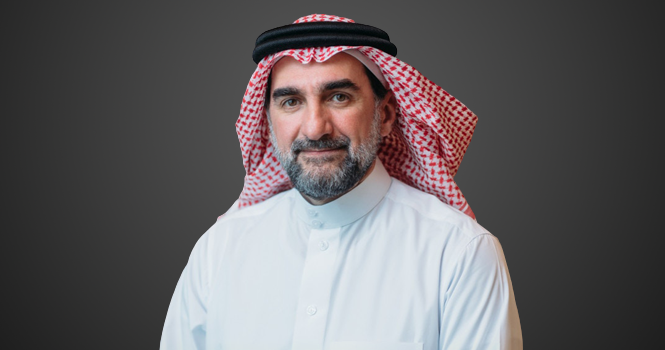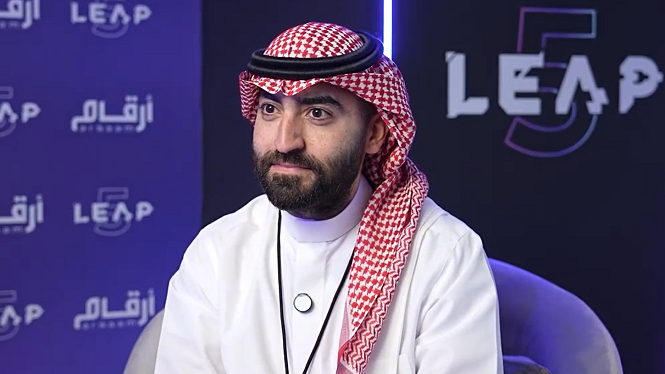
Ayman Al-Ghamdi, President of Microsoft Arabia
Ayman Al-Ghamdi, President of Microsoft Arabia, said the company is preparing to make its Saudi Arabia East cloud region available to customers in November. 
He added that the company is studying market needs and leveraging previous experience in this field, noting that the growing adoption of cloud services and AI technologies is supporting rising demand for data centers in the Kingdom.
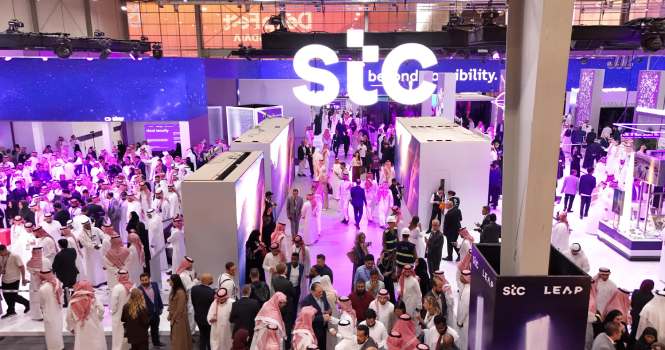
Speaking to Argaam on the sidelines of LEAP 2026, Al-Ghamdi said the company has benefited from its previous experience in data centers, while also developing specialized partnerships.
This will help build the capabilities needed to meet the requirements of customers and partners in the Saudi market, as well as global companies that require high levels of computing and data services.
He added that demand for data centers in the Kingdom is evolving as government entities and businesses expand their adoption of cloud and AI technologies. The priority has shifted toward using data more intelligently, improving services and increasing productivity, rather than simply adding computing capacity.
The sectors most reliant on data and sensitive systems—including government, financial services, energy, healthcare and education—are expected to benefit from the availability of local infrastructure capable of supporting governance, resilience and business continuity requirements.
Al-Ghamdi noted that an IDC study expects Microsoft’s cloud ecosystem, including its partners and customers, to generate approximately $44.2 billion in new revenue for the Saudi economy between 2027 and 2030. The Saudi Arabia East region is expected to account for approximately 13.4% of this value, while supporting nearly 100,000 jobs in the Saudi economy over the same period.
Regarding collaboration with HUMAIN, Al-Ghamdi said its importance lies in developing AI capabilities that are better aligned with the Arabic language, local context and market needs. This would help organizations in the Kingdom move from initial experimentation to practical, scalable applications.
He explained that the next phase requires solutions capable of understanding the needs of local sectors, rather than simply transferring generic technology models to the market. Building an effective AI ecosystem requires local partnerships, reliable infrastructure and skilled professionals capable of turning technology into tangible value.
Al-Ghamdi added that skills development is a key component of market readiness, noting that more than 1.6 million people in the Kingdom have so far been equipped with digital and AI skills, as part of a broader target to support 3 million people with AI skills by 2030.
He emphasized that the real impact of these investments will be measured by the ability of organizations in the Kingdom to build, operate and scale their solutions from within Saudi Arabia, supporting the country’s transition from AI ambitions to applications with clear economic and practical impact.
Ayman Al-Ghamdi, President of Microsoft Arabia
Ayman Al-Ghamdi, President of Microsoft Arabia, said the company is preparing to make its Saudi Arabia East cloud region available to customers in November.
He added that the company is studying market needs and leveraging previous experience in this field, noting that the growing adoption of cloud services and AI technologies is supporting rising demand for data centers in the Kingdom.
Speaking to Argaam on the sidelines of LEAP 2026, Al-Ghamdi said the company has benefited from its previous experience in data centers, while also developing specialized partnerships.
This will help build the capabilities needed to meet the requirements of customers and partners in the Saudi market, as well as global companies that require high levels of computing and data services.
He added that demand for data centers in the Kingdom is evolving as government entities and businesses expand their adoption of cloud and AI technologies. The priority has shifted toward using data more intelligently, improving services and increasing productivity, rather than simply adding computing capacity.
The sectors most reliant on data and sensitive systems—including government, financial services, energy, healthcare and education—are expected to benefit from the availability of local infrastructure capable of supporting governance, resilience and business continuity requirements.
Al-Ghamdi noted that an IDC study expects Microsoft’s cloud ecosystem, including its partners and customers, to generate approximately $44.2 billion in new revenue for the Saudi economy between 2027 and 2030. The Saudi Arabia East region is expected to account for approximately 13.4% of this value, while supporting nearly 100,000 jobs in the Saudi economy over the same period.
Regarding collaboration with HUMAIN, Al-Ghamdi said its importance lies in developing AI capabilities that are better aligned with the Arabic language, local context and market needs. This would help organizations in the Kingdom move from initial experimentation to practical, scalable applications.
He explained that the next phase requires solutions capable of understanding the needs of local sectors, rather than simply transferring generic technology models to the market. Building an effective AI ecosystem requires local partnerships, reliable infrastructure and skilled professionals capable of turning technology into tangible value.
Al-Ghamdi added that skills development is a key component of market readiness, noting that more than 1.6 million people in the Kingdom have so far been equipped with digital and AI skills, as part of a broader target to support 3 million people with AI skills by 2030.
He emphasized that the real impact of these investments will be measured by the ability of organizations in the Kingdom to build, operate and scale their solutions from within Saudi Arabia, supporting the country’s transition from AI ambitions to applications with clear economic and practical impact.