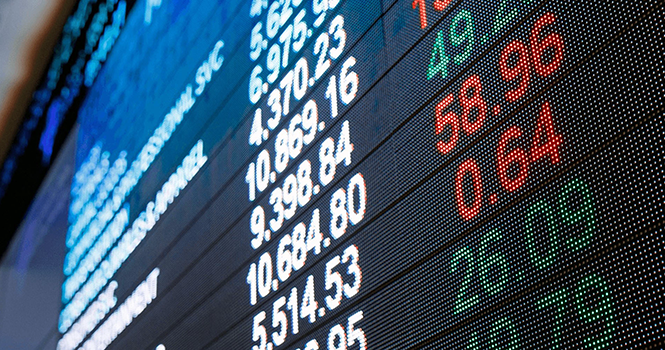
Tadawul trading screen
The Saudi Exchange (Tadawul) and the Securities Clearing Center Co. (Muqassa) have introduced a series of structural enhancements to the derivatives market to increase liquidity, improve capital efficiency, reduce trading costs and broaden participation among retail and institutional investors. 
Key products include MT30 Index Futures and Single Stock Futures (SSFs).
Key Enhancements
Area
Key Changes
MT30 Index Futures
Trading fees for MT30 Index Futures cut from SAR 25 to SAR 7 per party, while settlement fees were reduced from SAR 30 to SAR 2.8 per contract at maturity.
SSFs
Trading fees set at SAR 1.4, versus 2.5 basis points (bps) previously, while settlement fees were set at SAR 0.504, versus 3 bps previously.
Margin
– Comprehensive review of the margin calculation methodology to enhance net margining across maturities and futures products, with the aim of improving capital efficiency and risk management.
– Launch of a new margin calculator on Muqassa’s website, allowing members to simulate initial margin requirements and assess potential exposures.
Liquidity
Development of a market-making framework with competitive obligations and incentives, and activation of a number of market makers in the derivatives sector.
Infrastructure
Implementation of connectivity solutions with the FIS system to provide real-time access to trades, collateral and margin requirements.
Contract Specifications
Increase in the minimum price fluctuation for SSFs from 0.05 to 0.1, equivalent to SAR 10 per contract.
Removal of margin multipliers applied to investor categories for SSFs and MT30 Index Futures.
Settlement
Adjustment of the daily settlement price calculation methodology to use the theoretical futures contract price as a unified methodology.
According to trading data through Aug. 25, 2026, the number of trades executed in MT30 and SSFs exceeded 1,000. Traded value surpassed SAR 220 million, while trading volume exceeded 5,000 contracts.
MT30 Index Futures are based on an index tracking the performance of 30 of the largest and most liquid Saudi companies. They allow investors to form a view on the overall performance of the Saudi market, whether to gain market exposure, hedge risks or trade movements in the broader index.
SSFs are based on the share prices of specific companies. They are currently available on 10 of the largest Saudi stocks by market capitalization across different sectors: Alinma Bank, stc, SABIC, Aramco, Al Rajhi Bank, Almarai, Saudi Energy, Saudi National Bank, Maaden and Saudi Kayan.
Futures Contracts
Feature
MT30 Index Futures
SSFs
Underlying Asset
MT30 Index
Individual company shares, such as Aramco
Contract Size
Index value × SAR 100
100 shares
Margin
According to the derivatives market margin calculator
Expiry Date
Current month, next month and the following two quarters
Clearing House
Muqassa
Currency
SAR
Financial derivatives are a key tool, offering the following benefits:
Managing portfolio risks and hedging exposure to the Saudi equity market, while reducing counterparty risk through a central clearing counterparty.
A listed product offering cost efficiency and transparency for expressing a market view.
Capital efficiency through paying a small portion of the contract value as margin, rather than financing 100% of the transaction value as required in the cash equity market.
Achieving capital efficiency by leveraging the characteristics of derivatives as off-balance-sheet instruments.
Executing portfolio strategies through relative-value approaches, such as spreads between markets.
The inherent characteristics of derivatives enable investors to buy or short sell, eliminating the need to borrow securities for short selling.
Meeting the needs of institutional and retail investors through enhanced product specifications.
These instruments are particularly beneficial to all types of traders, including:
Asset managers seeking to manage investment portfolio risks and price volatility.
Entities seeking capital efficiency through market exposure.
Family offices and institutions with investments in Saudi equities.
Proprietary trading firms.
Retail traders.
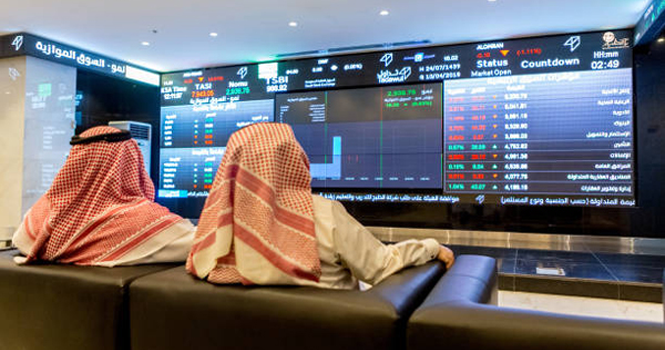
Tadawul trading screen
The Saudi Exchange (Tadawul) and the Securities Clearing Center Co. (Muqassa) have introduced a series of structural enhancements to the derivatives market to increase liquidity, improve capital efficiency, reduce trading costs and broaden participation among retail and institutional investors.
Key products include MT30 Index Futures and Single Stock Futures (SSFs).
Key Enhancements
Area
Key Changes
MT30 Index Futures
Trading fees for MT30 Index Futures cut from SAR 25 to SAR 7 per party, while settlement fees were reduced from SAR 30 to SAR 2.8 per contract at maturity.
SSFs
Trading fees set at SAR 1.4, versus 2.5 basis points (bps) previously, while settlement fees were set at SAR 0.504, versus 3 bps previously.
Margin
– Comprehensive review of the margin calculation methodology to enhance net margining across maturities and futures products, with the aim of improving capital efficiency and risk management.
– Launch of a new margin calculator on Muqassa’s website, allowing members to simulate initial margin requirements and assess potential exposures.
Liquidity
Development of a market-making framework with competitive obligations and incentives, and activation of a number of market makers in the derivatives sector.
Infrastructure
Implementation of connectivity solutions with the FIS system to provide real-time access to trades, collateral and margin requirements.
Contract Specifications
Increase in the minimum price fluctuation for SSFs from 0.05 to 0.1, equivalent to SAR 10 per contract.
Removal of margin multipliers applied to investor categories for SSFs and MT30 Index Futures.
Settlement
Adjustment of the daily settlement price calculation methodology to use the theoretical futures contract price as a unified methodology.
According to trading data through Aug. 25, 2026, the number of trades executed in MT30 and SSFs exceeded 1,000. Traded value surpassed SAR 220 million, while trading volume exceeded 5,000 contracts.
MT30 Index Futures are based on an index tracking the performance of 30 of the largest and most liquid Saudi companies. They allow investors to form a view on the overall performance of the Saudi market, whether to gain market exposure, hedge risks or trade movements in the broader index.
SSFs are based on the share prices of specific companies. They are currently available on 10 of the largest Saudi stocks by market capitalization across different sectors: Alinma Bank, stc, SABIC, Aramco, Al Rajhi Bank, Almarai, Saudi Energy, Saudi National Bank, Maaden and Saudi Kayan.
Futures Contracts
Feature
MT30 Index Futures
SSFs
Underlying Asset
MT30 Index
Individual company shares, such as Aramco
Contract Size
Index value × SAR 100
100 shares
Margin
According to the derivatives market margin calculator
Expiry Date
Current month, next month and the following two quarters
Clearing House
Muqassa
Currency
SAR
Financial derivatives are a key tool, offering the following benefits:
Managing portfolio risks and hedging exposure to the Saudi equity market, while reducing counterparty risk through a central clearing counterparty.
A listed product offering cost efficiency and transparency for expressing a market view.
Capital efficiency through paying a small portion of the contract value as margin, rather than financing 100% of the transaction value as required in the cash equity market.
Achieving capital efficiency by leveraging the characteristics of derivatives as off-balance-sheet instruments.
Executing portfolio strategies through relative-value approaches, such as spreads between markets.
The inherent characteristics of derivatives enable investors to buy or short sell, eliminating the need to borrow securities for short selling.
Meeting the needs of institutional and retail investors through enhanced product specifications.
These instruments are particularly beneficial to all types of traders, including:
Asset managers seeking to manage investment portfolio risks and price volatility.
Entities seeking capital efficiency through market exposure.
Family offices and institutions with investments in Saudi equities.
Proprietary trading firms.
Retail traders.