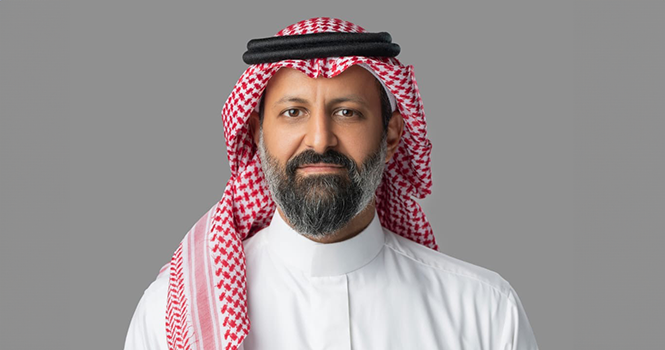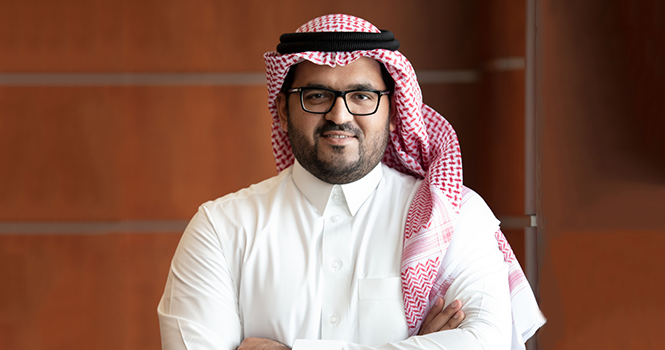
Abdullah Altimyat, CEO of Saudi Manpower Solutions Co. (SMASCO), expects the second half of 2026 to follow the usual seasonal patterns, with varying demand levels across the individuals and corporate segments.
Speaking to Argaam, Altimyat said the individuals segment may continue to be affected by the seasonal slowdown during part of Q3, with demand expected to recover toward the end of the vacation season and the start of the new academic year, following its usual seasonal cycle.
“We expect the corporate segment to maintain its stability and growth, although margins will remain under pressure amid intensifying competition. We also remain confident in delivering a balanced performance combining growth with profitability discipline during the remainder of the year,” he added.
Regarding financial results, Altimyat explained that profit growth outpacing revenue growth was mainly driven by improved margins across the company’s key segments, particularly the individuals segment, where the profit margin rose to 19% in Q2 2026, compared with 15% in the year-earlier period.
The improvement in the individuals segment’s margin was supported by continued demand growth alongside balanced supply conditions, as well as profitability enhancement initiatives and the rebalancing of the company’s service portfolio in line with changing market needs, according to the CEO.
Altimyat also said demand for manpower services remains broadly positive despite geopolitical challenges in the region. He highlighted the continued demand growth, particularly in the individuals segment and the construction and contracting sector, backed by the ongoing pace of major projects in Saudi Arabia, in addition to the medical sector, which continues to see growing demand for specialized personnel.
He also noted that diversified demand sources provide the company with greater flexibility in managing its portfolio and reduce its reliance on any single sector.
On competitive pressures in the corporate segment, Altimyat said the segment is experiencing notable margin pressure, describing this as a natural reflection of the sector’s maturation.
“The human resources sector is still relatively young and is witnessing the rapid entry of new service providers, increasing competitive intensity—particularly in the less specialized segments of the corporate client base,” he said.
SMASCO’s strategy for addressing these pressures, he explained, is to focus on service quality and maintain a diversified and balanced sector portfolio, limiting concentration in the most competitive segments while helping the company balance continued growth with attractive returns for shareholders.
As regards the logistics services, which include accommodation, transportation and catering, Altimyat said the business currently contributes around 8%-9% of SMASCO’s total revenue.
He expects this contribution to remain broadly at current levels throughout 2026, as the primary role of the logistics business remains to support and complement the company’s core services across the individual and corporate segments.
Regarding the 1% decline quarter-on-quarter in individuals segment revenue during Q2 2026, Altimyat attributed the decrease to the seasonal impact of the summer and vacation period, stressing that this effect is temporary and does not reflect a structural change in underlying demand.
“The individuals segment has historically been affected by recurring seasonal patterns, including positive periods such as Ramadan and weaker periods such as the summer vacation season,” said the CEO, “The negative impact of summer typically begins in Q2 and extends into part of Q3, before demand usually recovers toward the end of the vacation season and with the start of the new academic year.”
Regarding the investment in Waad Home Services, which operates under the Yammak brand, Altimyat said the company is progressing in line with its business plan. He noted that the business recorded growth during H1 2026 compared with the same period last year, indicating an acceleration in market-share gains.
He added that the company aims to reduce its startup-phase losses by 50% in 2026 compared with 2025, with the company expecting to reach operating break-even in 2027.
Improved operational efficiency and continued growth in the customer base are supporting Yammak’s path toward reducing losses and eventually becoming a positive contributor to the group’s results.
According to Argaam’s data, SMASCO’s net profit rose to SAR 93.2 million in H1 2026, compared with SAR 70 million in the same period a year earlier. Q2 net profit stood at SAR 44.6 million.
Abdullah Altimyat, CEO of Saudi Manpower Solutions Co. (SMASCO), expects the second half of 2026 to follow the usual seasonal patterns, with varying demand levels across the individuals and corporate segments.
Speaking to Argaam, Altimyat said the individuals segment may continue to be affected by the seasonal slowdown during part of Q3, with demand expected to recover toward the end of the vacation season and the start of the new academic year, following its usual seasonal cycle.
“We expect the corporate segment to maintain its stability and growth, although margins will remain under pressure amid intensifying competition. We also remain confident in delivering a balanced performance combining growth with profitability discipline during the remainder of the year,” he added.
Regarding financial results, Altimyat explained that profit growth outpacing revenue growth was mainly driven by improved margins across the company’s key segments, particularly the individuals segment, where the profit margin rose to 19% in Q2 2026, compared with 15% in the year-earlier period.
The improvement in the individuals segment’s margin was supported by continued demand growth alongside balanced supply conditions, as well as profitability enhancement initiatives and the rebalancing of the company’s service portfolio in line with changing market needs, according to the CEO.
Altimyat also said demand for manpower services remains broadly positive despite geopolitical challenges in the region. He highlighted the continued demand growth, particularly in the individuals segment and the construction and contracting sector, backed by the ongoing pace of major projects in Saudi Arabia, in addition to the medical sector, which continues to see growing demand for specialized personnel.
He also noted that diversified demand sources provide the company with greater flexibility in managing its portfolio and reduce its reliance on any single sector.
On competitive pressures in the corporate segment, Altimyat said the segment is experiencing notable margin pressure, describing this as a natural reflection of the sector’s maturation.
“The human resources sector is still relatively young and is witnessing the rapid entry of new service providers, increasing competitive intensity—particularly in the less specialized segments of the corporate client base,” he said.
SMASCO’s strategy for addressing these pressures, he explained, is to focus on service quality and maintain a diversified and balanced sector portfolio, limiting concentration in the most competitive segments while helping the company balance continued growth with attractive returns for shareholders.
As regards the logistics services, which include accommodation, transportation and catering, Altimyat said the business currently contributes around 8%-9% of SMASCO’s total revenue.
He expects this contribution to remain broadly at current levels throughout 2026, as the primary role of the logistics business remains to support and complement the company’s core services across the individual and corporate segments.
Regarding the 1% decline quarter-on-quarter in individuals segment revenue during Q2 2026, Altimyat attributed the decrease to the seasonal impact of the summer and vacation period, stressing that this effect is temporary and does not reflect a structural change in underlying demand.
“The individuals segment has historically been affected by recurring seasonal patterns, including positive periods such as Ramadan and weaker periods such as the summer vacation season,” said the CEO, “The negative impact of summer typically begins in Q2 and extends into part of Q3, before demand usually recovers toward the end of the vacation season and with the start of the new academic year.”
Regarding the investment in Waad Home Services, which operates under the Yammak brand, Altimyat said the company is progressing in line with its business plan. He noted that the business recorded growth during H1 2026 compared with the same period last year, indicating an acceleration in market-share gains.
He added that the company aims to reduce its startup-phase losses by 50% in 2026 compared with 2025, with the company expecting to reach operating break-even in 2027.
Improved operational efficiency and continued growth in the customer base are supporting Yammak’s path toward reducing losses and eventually becoming a positive contributor to the group’s results.
According to Argaam’s data, SMASCO’s net profit rose to SAR 93.2 million in H1 2026, compared with SAR 70 million in the same period a year earlier. Q2 net profit stood at SAR 44.6 million.