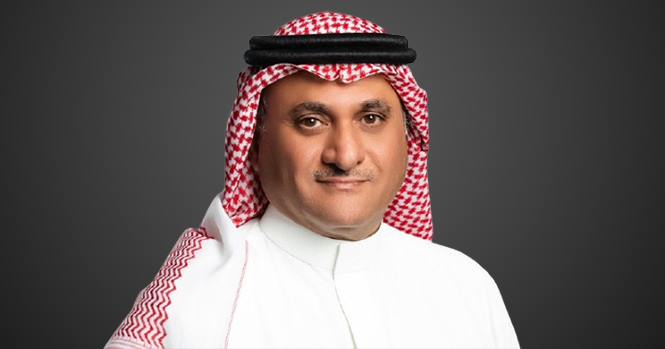
Azzam Al-Mudaihim, CEO of Saudi Ceramic Co. (Saudi Ceramics), expects demand levels during Q3 2026 to remain within normal seasonal ranges, while continuing to be influenced by the pace of project execution and spending in the construction and housing sectors, as well as consumer demand.
In an interview with Argaam, he said the company expects its product prices to remain in line with prevailing market levels, while continuing to monitor developments in raw material and logistics costs, as well as competitive dynamics, and take appropriate measures to maintain its competitiveness.
“We will continue implementing our strategic initiatives aimed at enhancing operational efficiency, improving our product mix, expanding sales channels, and increasing our showroom footprint,” said the top executive, “These efforts are expected to support sustained operational performance and deliver sustainable results in line with market conditions, while enhancing shareholder value”.
During Q2 2026, Saudi Ceramics recorded very strong demand for its products, resulting in robust growth rates compared with the corresponding quarters of the previous five years. This reflects the company’s success in strengthening customer confidence through product quality, diverse designs, and its ability to meet consumer needs, according to Al-Mudaihim.
He explained that tiles and electric water heaters segments were the largest contributors to revenue, continuing to post strong performance supported by higher demand, the expansion of sales channels, ongoing product development, and broader market penetration both domestically and internationally.
Furthermore, the number of the company’s showrooms reached 69 at the end of Q2 2026 across various regions of the Kingdom. This comes along with continuing to implement its expansion plan by opening new showrooms in promising cities and areas, helping broaden its footprint, reach a wider customer base, enhance the shopping experience, support retail sales growth, and increase market share.
Regarding the impact of regional geopolitical developments during Q2 2026 on demand, sales, supply chains, and exports, Al-Mudaihim said the company’s results indicate that these developments had no material negative impact on demand across its markets, noting that domestic sales increased by 30.6%, while export sales rose by 26.6% year-on-year.
As regards higher logistics costs, he said these challenges are affecting all companies operating in the sector. The company is addressing them by improving operational efficiency and managing costs in ways that limit their impact on financial performance while preserving its competitive position.
Saudi Arabia has implemented government initiatives in recent years to improve the efficiency of logistics services and supply chains, helping mitigate the impact of global challenges and enhance supply resilience. Saudi Ceramics continues to benefit from these initiatives, while also diversifying its sources of supply and continuously monitoring market developments to ensure business continuity and meet customer needs, according to the top executive.
Regarding the company’s Q2 2026 financial results, the CEO explained that the corresponding quarter of the previous year included several non-recurring items that exceptionally boosted net profit. These included a SAR 120 million insurance claim settlement, a SAR 3.5 million reversal of an impairment related to an item of property, plant and equipment associated with the fire at the second sanitaryware plant, and the recognition of SAR 7.7 million in Zakat differences.
Excluding the impact of these non-recurring items, net profit in Q2 2026 increased by SAR 38.9 million compared with the same period last year, reflecting a notable improvement in operating performance.
Al-Mudaihim also attributed this improvement to initiatives launched by the company since 2024, including enhancing production-line efficiency, improving capacity utilization, rationalizing production costs, and increasing production capacity through the construction of a new porcelain plant.
These initiatives helped lift the gross profit margin to 33.2% in the current quarter, compared with 24.6% in Q2 2025, while gross profit increased by SAR 54.1 million.
Additionally, prices for tiles and sanitaryware products have evolved in line with prevailing market prices for comparable products in terms of quality and design. The opening of the new porcelain plant also improved the sales mix, with porcelain sales volumes increasing significantly during Q2 year-on-year, which had a positive impact on the average selling prices of tile products.
The company continues to monitor market developments and changes in consumer preferences, while ensuring that its product pricing reflects quality and design standards, strengthens its competitive position, and delivers sustainable value to customers and shareholders.
Regarding Saudi Ceramics’ market share, the CEO said there is no precise market data available that would allow the company to determine its share directly. However, the company’s performance during Q2 2026 provides positive indications of an improved market position, with sales in the tiles and sanitaryware segment increasing by approximately 17%, while electric water heater sales rose by around 74% YoY.
He added that, based on the best information available to the company, its growth rates exceeded overall market growth during the same period, indicating that the company increased its market share during the current year.
This performance is driven by the company’s strategy of investing across various sales channels, strengthening its presence in the projects segment, expanding its showroom network, reaching new customer segments, and diversifying its product range across different sizes and designs. These efforts are complemented by maintaining product quality, continuously improving it, and enhancing the customer experience, supporting sustainable growth and further market-share gains, Al-Mudaihim concluded.
Azzam Al-Mudaihim, CEO of Saudi Ceramic Co. (Saudi Ceramics), expects demand levels during Q3 2026 to remain within normal seasonal ranges, while continuing to be influenced by the pace of project execution and spending in the construction and housing sectors, as well as consumer demand.
In an interview with Argaam, he said the company expects its product prices to remain in line with prevailing market levels, while continuing to monitor developments in raw material and logistics costs, as well as competitive dynamics, and take appropriate measures to maintain its competitiveness.
“We will continue implementing our strategic initiatives aimed at enhancing operational efficiency, improving our product mix, expanding sales channels, and increasing our showroom footprint,” said the top executive, “These efforts are expected to support sustained operational performance and deliver sustainable results in line with market conditions, while enhancing shareholder value”.
During Q2 2026, Saudi Ceramics recorded very strong demand for its products, resulting in robust growth rates compared with the corresponding quarters of the previous five years. This reflects the company’s success in strengthening customer confidence through product quality, diverse designs, and its ability to meet consumer needs, according to Al-Mudaihim.
He explained that tiles and electric water heaters segments were the largest contributors to revenue, continuing to post strong performance supported by higher demand, the expansion of sales channels, ongoing product development, and broader market penetration both domestically and internationally.
Furthermore, the number of the company’s showrooms reached 69 at the end of Q2 2026 across various regions of the Kingdom. This comes along with continuing to implement its expansion plan by opening new showrooms in promising cities and areas, helping broaden its footprint, reach a wider customer base, enhance the shopping experience, support retail sales growth, and increase market share.
Regarding the impact of regional geopolitical developments during Q2 2026 on demand, sales, supply chains, and exports, Al-Mudaihim said the company’s results indicate that these developments had no material negative impact on demand across its markets, noting that domestic sales increased by 30.6%, while export sales rose by 26.6% year-on-year.
As regards higher logistics costs, he said these challenges are affecting all companies operating in the sector. The company is addressing them by improving operational efficiency and managing costs in ways that limit their impact on financial performance while preserving its competitive position.
Saudi Arabia has implemented government initiatives in recent years to improve the efficiency of logistics services and supply chains, helping mitigate the impact of global challenges and enhance supply resilience. Saudi Ceramics continues to benefit from these initiatives, while also diversifying its sources of supply and continuously monitoring market developments to ensure business continuity and meet customer needs, according to the top executive.
Regarding the company’s Q2 2026 financial results, the CEO explained that the corresponding quarter of the previous year included several non-recurring items that exceptionally boosted net profit. These included a SAR 120 million insurance claim settlement, a SAR 3.5 million reversal of an impairment related to an item of property, plant and equipment associated with the fire at the second sanitaryware plant, and the recognition of SAR 7.7 million in Zakat differences.
Excluding the impact of these non-recurring items, net profit in Q2 2026 increased by SAR 38.9 million compared with the same period last year, reflecting a notable improvement in operating performance.
Al-Mudaihim also attributed this improvement to initiatives launched by the company since 2024, including enhancing production-line efficiency, improving capacity utilization, rationalizing production costs, and increasing production capacity through the construction of a new porcelain plant.
These initiatives helped lift the gross profit margin to 33.2% in the current quarter, compared with 24.6% in Q2 2025, while gross profit increased by SAR 54.1 million.
Additionally, prices for tiles and sanitaryware products have evolved in line with prevailing market prices for comparable products in terms of quality and design. The opening of the new porcelain plant also improved the sales mix, with porcelain sales volumes increasing significantly during Q2 year-on-year, which had a positive impact on the average selling prices of tile products.
The company continues to monitor market developments and changes in consumer preferences, while ensuring that its product pricing reflects quality and design standards, strengthens its competitive position, and delivers sustainable value to customers and shareholders.
Regarding Saudi Ceramics’ market share, the CEO said there is no precise market data available that would allow the company to determine its share directly. However, the company’s performance during Q2 2026 provides positive indications of an improved market position, with sales in the tiles and sanitaryware segment increasing by approximately 17%, while electric water heater sales rose by around 74% YoY.
He added that, based on the best information available to the company, its growth rates exceeded overall market growth during the same period, indicating that the company increased its market share during the current year.
This performance is driven by the company’s strategy of investing across various sales channels, strengthening its presence in the projects segment, expanding its showroom network, reaching new customer segments, and diversifying its product range across different sizes and designs. These efforts are complemented by maintaining product quality, continuously improving it, and enhancing the customer experience, supporting sustainable growth and further market-share gains, Al-Mudaihim concluded.