Key developments
1- Trump replaces proposed 20% Hormuz transit toll with Gulf trade and investment deals
US President Donald Trump said he had decided to replace a proposed 20% fee on cargo transiting the Strait of Hormuz with trade and investment agreements with Gulf countries.
He said the new agreements would replace the fees he had previously proposed in exchange for US protection of shipping through the strait, in a move aimed at strengthening economic ties with Gulf states while maintaining the US role in securing maritime routes.
2- China’s oil imports fall 41% in June to lowest since 2016
China’s crude oil imports fell 41% YoY in June to their lowest level since 2016, weighed by the impact of the conflict with Iran and weaker domestic demand.
The decline points to softer consumption by the world’s largest crude importer, which could curb support for global oil demand and add pressure on prices despite ongoing geopolitical risks in the Middle East.
3- Iran exports $6 billion worth of oil and refined products before US blockade resumed
Iran exported more than 80 million barrels of crude oil and refined products worth an estimated $6 billion during the 26-day period before the US reimposed its oil blockade.
Meanwhile, about 30 million barrels remain in storage, while Iran has around 60 million barrels of floating storage capacity within the blockade zone, providing flexibility to continue storing production and managing exports under the restrictions.
4- Iranian oil minister: Crude exports continue despite tougher US sanctions
Iranian Oil Minister Mohsen Paknejad said the country’s crude exports continue normally, adding that the US decision to revoke waivers had not affected Iranian oil flows or Tehran’s ability to market its crude.
He said the oil sector continues to operate without interruption, signaling that Iran is maintaining crude exports despite US sanctions by relying on alternative markets and export channels.
5- Hormuz shipping traffic falls to lowest in nearly a month
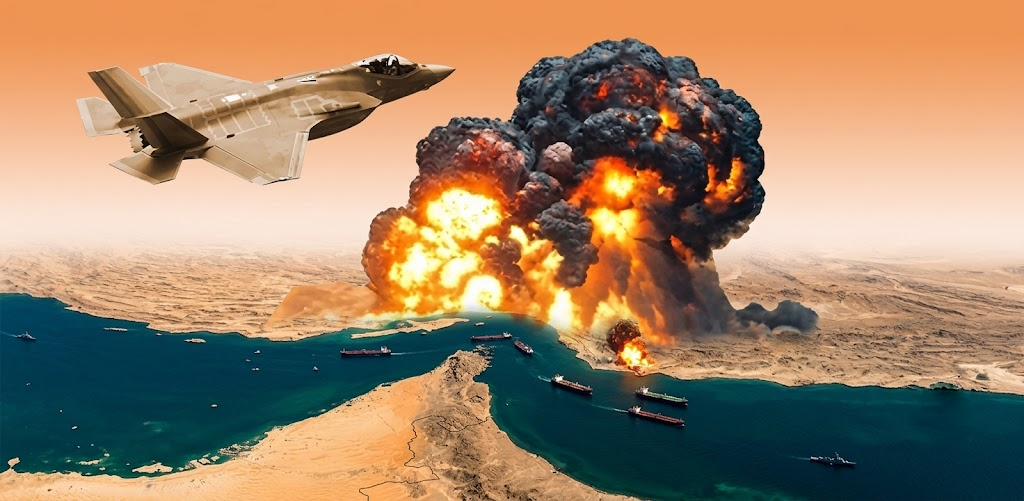
An SP Global Commodities at Sea report showed that only 11 vessels transited the Strait of Hormuz on July 12, the lowest number since June 14, following the attack on the container ship GFS Galaxy and exchanges of strikes between the United States and Iran.
The vessels included one LNG carrier, one Suezmax crude tanker, four product tankers, three landing ships, one general cargo vessel, and one Supramax bulk carrier.
6- Global LNG oversupply pushed back to 2028
BloombergNEF forecast that the global liquefied natural gas market will enter an oversupply phase in 2028, one year later than previously expected, due to the Middle East conflict and delays to major projects.
The report said the surplus is expected to peak in 2031-2032 as new projects come online, while uncertainty has increased over Qatar’s production and expansion plans following damage to gas facilities and shipping disruptions through the Strait of Hormuz.
7- South Korea expects oil imports to fully recover in July and August
South Korea expects crude oil imports to return to normal levels in July and August despite concerns over further logistical disruptions in the Gulf, according to the Ministry of Trade, Industry and Energy and refining industry sources.
The ministry said the country secured about 90% of its monthly crude oil needs in May and expects July and August shipments to exceed year-earlier levels, adding that the direct impact of regional tensions on South Korea’s oil supply should remain limited in the near term.
8- Higher inventories and production weigh on US natural gas prices
US natural gas inventories remain about 6.6% above a 5-year average.
At the same time, production has risen to 110.2 billion cubic feet per day in July, reflecting ample supply and continuing to pressure prices.
9- Europe-Asia LNG competition could intensify market pressures
Cornelia Meyer, Chairman and CEO of MRL Corp, warned that competition between Europe and Asia for LNG cargoes could intensify in the coming months ahead of winter, adding pressure to the global market and driving prices higher.
She said stronger European demand to secure winter supplies could compete with Asian buyers for spot cargoes at a time when global supply remains relatively tight, increasing the likelihood of continued volatility in gas markets.
Key indicators
10- Oil ↑
Brent crude futures opened Wednesday trading near $85 a barrel, while WTI crude futures opened around $79 a barrel.
The gains came after the US military launched additional airstrikes against Iran as Washington prepared to reimpose a blockade on Iranian ports and coastal areas.
11- US natural gas ↓
US Henry Hub natural gas futures opened Wednesday at $2.87 per MMBtu, their lowest level in two months.
The decline came as higher production, weaker demand expectations, and lower gas flows to LNG export facilities due to scheduled maintenance at Texas’ Freeport LNG continued to weigh on prices.
12- European natural gas ↑
European natural gas futures opened Wednesday at EUR 54 per megawatt-hour, their highest level in more than three months.
The gains followed President Donald Trump’s order to resume a blockade on Iranian ports, reviving concerns over regional energy supplies and shipping.
13- US gasoline prices ↑
The average US gasoline price rose to $3.857 per gallon on Tuesday from $3.823 a day earlier, according to fuel price tracker GasBuddy.
Before the conflict began, the average price stood at $2.83 per gallon.
14- Shipping ↑
The Baltic Dirty Tanker Index, which tracks global crude tanker freight rates, rose 4.13% on Tuesday to 2,145 points.
The increase reflected renewed pressure on shipping costs as traffic through the Strait of Hormuz declined and risks related to the blockade and military escalation persisted.
Key developments
1- Trump replaces proposed 20% Hormuz transit toll with Gulf trade and investment deals
US President Donald Trump said he had decided to replace a proposed 20% fee on cargo transiting the Strait of Hormuz with trade and investment agreements with Gulf countries.
He said the new agreements would replace the fees he had previously proposed in exchange for US protection of shipping through the strait, in a move aimed at strengthening economic ties with Gulf states while maintaining the US role in securing maritime routes.
2- China’s oil imports fall 41% in June to lowest since 2016
China’s crude oil imports fell 41% YoY in June to their lowest level since 2016, weighed by the impact of the conflict with Iran and weaker domestic demand.
The decline points to softer consumption by the world’s largest crude importer, which could curb support for global oil demand and add pressure on prices despite ongoing geopolitical risks in the Middle East.
3- Iran exports $6 billion worth of oil and refined products before US blockade resumed
Iran exported more than 80 million barrels of crude oil and refined products worth an estimated $6 billion during the 26-day period before the US reimposed its oil blockade.
Meanwhile, about 30 million barrels remain in storage, while Iran has around 60 million barrels of floating storage capacity within the blockade zone, providing flexibility to continue storing production and managing exports under the restrictions.
4- Iranian oil minister: Crude exports continue despite tougher US sanctions
Iranian Oil Minister Mohsen Paknejad said the country’s crude exports continue normally, adding that the US decision to revoke waivers had not affected Iranian oil flows or Tehran’s ability to market its crude.
He said the oil sector continues to operate without interruption, signaling that Iran is maintaining crude exports despite US sanctions by relying on alternative markets and export channels.
5- Hormuz shipping traffic falls to lowest in nearly a month
An SP Global Commodities at Sea report showed that only 11 vessels transited the Strait of Hormuz on July 12, the lowest number since June 14, following the attack on the container ship GFS Galaxy and exchanges of strikes between the United States and Iran.
The vessels included one LNG carrier, one Suezmax crude tanker, four product tankers, three landing ships, one general cargo vessel, and one Supramax bulk carrier.
6- Global LNG oversupply pushed back to 2028
BloombergNEF forecast that the global liquefied natural gas market will enter an oversupply phase in 2028, one year later than previously expected, due to the Middle East conflict and delays to major projects.
The report said the surplus is expected to peak in 2031-2032 as new projects come online, while uncertainty has increased over Qatar’s production and expansion plans following damage to gas facilities and shipping disruptions through the Strait of Hormuz.
7- South Korea expects oil imports to fully recover in July and August
South Korea expects crude oil imports to return to normal levels in July and August despite concerns over further logistical disruptions in the Gulf, according to the Ministry of Trade, Industry and Energy and refining industry sources.
The ministry said the country secured about 90% of its monthly crude oil needs in May and expects July and August shipments to exceed year-earlier levels, adding that the direct impact of regional tensions on South Korea’s oil supply should remain limited in the near term.
8- Higher inventories and production weigh on US natural gas prices
US natural gas inventories remain about 6.6% above a 5-year average.
At the same time, production has risen to 110.2 billion cubic feet per day in July, reflecting ample supply and continuing to pressure prices.
9- Europe-Asia LNG competition could intensify market pressures
Cornelia Meyer, Chairman and CEO of MRL Corp, warned that competition between Europe and Asia for LNG cargoes could intensify in the coming months ahead of winter, adding pressure to the global market and driving prices higher.
She said stronger European demand to secure winter supplies could compete with Asian buyers for spot cargoes at a time when global supply remains relatively tight, increasing the likelihood of continued volatility in gas markets.
Key indicators
10- Oil ↑
Brent crude futures opened Wednesday trading near $85 a barrel, while WTI crude futures opened around $79 a barrel.
The gains came after the US military launched additional airstrikes against Iran as Washington prepared to reimpose a blockade on Iranian ports and coastal areas.
11- US natural gas ↓
US Henry Hub natural gas futures opened Wednesday at $2.87 per MMBtu, their lowest level in two months.
The decline came as higher production, weaker demand expectations, and lower gas flows to LNG export facilities due to scheduled maintenance at Texas’ Freeport LNG continued to weigh on prices.
12- European natural gas ↑
European natural gas futures opened Wednesday at EUR 54 per megawatt-hour, their highest level in more than three months.
The gains followed President Donald Trump’s order to resume a blockade on Iranian ports, reviving concerns over regional energy supplies and shipping.
13- US gasoline prices ↑
The average US gasoline price rose to $3.857 per gallon on Tuesday from $3.823 a day earlier, according to fuel price tracker GasBuddy.
Before the conflict began, the average price stood at $2.83 per gallon.
14- Shipping ↑
The Baltic Dirty Tanker Index, which tracks global crude tanker freight rates, rose 4.13% on Tuesday to 2,145 points.
The increase reflected renewed pressure on shipping costs as traffic through the Strait of Hormuz declined and risks related to the blockade and military escalation persisted.