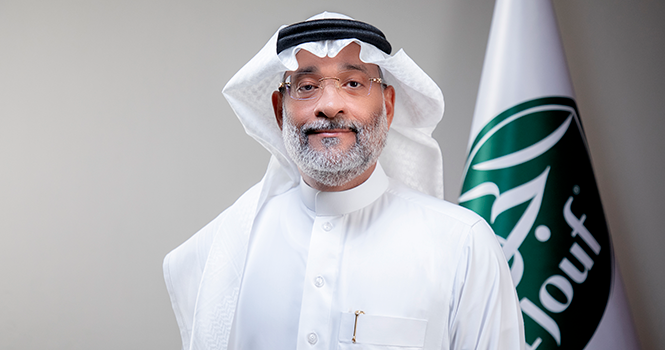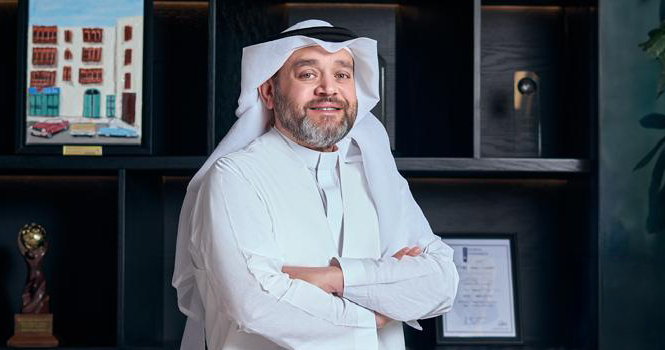
Fawaz Danish, CEO of United International Transportation Co. (Budget Saudi)
Fawaz Danish, CEO of United International Transportation Co. (Budget Saudi), said the market has been recently flooded with vehicles, particularly Chinese brands, with more than 30 brands now operating in the Kingdom. This in turn pressured used car prices and lowered the expected value, leading to higher depreciation rates. 
In an interview with Argaam, Danish said regional tensions have had the biggest impact on short-term rental activity due to weaker demand, with vehicle utilization rates in this segment falling from around 65% before the crisis to about 50% currently.
He said long-term rental companies have opted to delay new rental orders until there is greater clarity on their business outlook, weighing on demand in the current period.
Danish added that the current situation closely mirrors the COVID-19 period, particularly in terms of supply disruptions and higher transportation and insurance costs.
The current market inventory may cover only two to three months, as arrivals of new vehicles dropped by about 80% over the past two months. He expects new car prices to rise, driven by higher shipping, insurance and logistics costs.
Additionally, higher new car prices and tighter supply are likely to support a rebound in used vehicle values, which could help ease depreciation rates going forward.
Budget Saudi does not plan to sell vehicles at present due to weak market prices, preferring to hold its fleet until demand and pricing improve, rather than sell at levels that do not reflect fair value.
On Q2 performance, he said long-term leasing orders began to improve in April and early May, while short-term rentals have remained broadly stable.
He expects performance to show better performance at the end of Q2 and early Q3, supported by the summer season and continued strength in Hajj-related activity, alongside an anticipated increase in domestic travel.
Reduced outbound travel by some Saudis and residents this summer, due to higher costs and other factors, could further support demand for domestic mobility and rentals.
Budget Saudi is primarily exposed to the domestic market, with local demand accounting for around 90% of its business, driving a faster recovery compared with markets more reliant on international travel and tourism.
Fawaz Danish, CEO of United International Transportation Co. (Budget Saudi)
Fawaz Danish, CEO of United International Transportation Co. (Budget Saudi), said the market has been recently flooded with vehicles, particularly Chinese brands, with more than 30 brands now operating in the Kingdom. This in turn pressured used car prices and lowered the expected value, leading to higher depreciation rates.
In an interview with Argaam, Danish said regional tensions have had the biggest impact on short-term rental activity due to weaker demand, with vehicle utilization rates in this segment falling from around 65% before the crisis to about 50% currently.
He said long-term rental companies have opted to delay new rental orders until there is greater clarity on their business outlook, weighing on demand in the current period.
Danish added that the current situation closely mirrors the COVID-19 period, particularly in terms of supply disruptions and higher transportation and insurance costs.
The current market inventory may cover only two to three months, as arrivals of new vehicles dropped by about 80% over the past two months. He expects new car prices to rise, driven by higher shipping, insurance and logistics costs.
Additionally, higher new car prices and tighter supply are likely to support a rebound in used vehicle values, which could help ease depreciation rates going forward.
Budget Saudi does not plan to sell vehicles at present due to weak market prices, preferring to hold its fleet until demand and pricing improve, rather than sell at levels that do not reflect fair value.
On Q2 performance, he said long-term leasing orders began to improve in April and early May, while short-term rentals have remained broadly stable.
He expects performance to show better performance at the end of Q2 and early Q3, supported by the summer season and continued strength in Hajj-related activity, alongside an anticipated increase in domestic travel.
Reduced outbound travel by some Saudis and residents this summer, due to higher costs and other factors, could further support demand for domestic mobility and rentals.
Budget Saudi is primarily exposed to the domestic market, with local demand accounting for around 90% of its business, driving a faster recovery compared with markets more reliant on international travel and tourism.