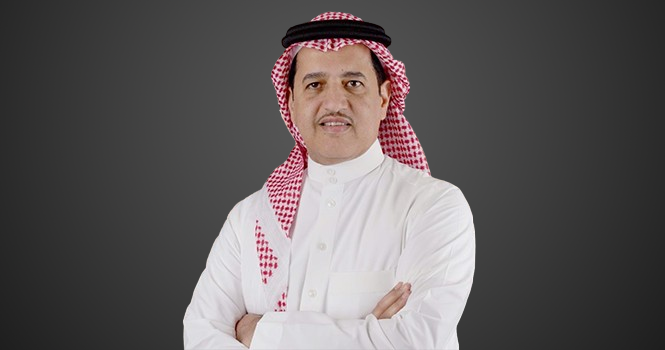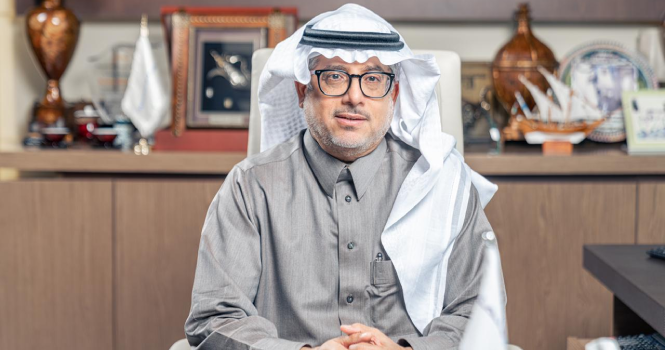
Tasnee CEO Fawaz Alfawaz said the company is focused on enhancing operational excellence and improving cash flows
National Industrialization Co.’s (Tasnee) CEO Fawaz Alfawaz said that the petrochemicals sector continues to face prolonged challenges predating current geopolitical tensions, noting that the global economy is experiencing uncertainty that has weighed on demand and prices. 
In an interview with Al Ekhbariya, he said a combination of factors has pressured prices to unprecedented levels, including persistent oversupply—particularly in some products in China—as well as excess supply in the US market, especially in polyolefins, in addition to tariffs and geopolitical tensions that have further strained the market. He expressed optimism for a recovery once current economic conditions improve.
Alfawaz noted that asset impairments are recorded in compliance with international accounting standards rather than discretionary decisions, explaining that weak prices and declining performance necessitate periodic tests of assets’ ability to generate cash flows.
He added that impairments affected assets in the Jazan and Jubail complexes, as well as the investment in Tronox Ltd. due to weaker performance and share price. Most of these impairments are non-cash accounting adjustments and do not directly impact liquidity.
He said the move aligns with the company’s strategy to focus on the petrochemicals sector, aimed at strengthening its financial position and improving shareholder returns over the long term.
Total loans for the company and its subsidiaries stand at around SAR 7.3 billion, with current leverage considered healthy, and the company is working to gradually reduce it. He noted that the restructuring of the acrylic complex in 2025 helped lower debt and financing costs.
The company is also focused on enhancing operational excellence and improving cash flows, with its strategy centered on growing the petrochemicals segment and maximizing returns. Strengthening the financial position will provide greater flexibility going forward, while future dividends will depend on improved cash flows and leverage levels.
Alfawaz said the sale of Tasnee’s stake in Al Rowad Industrial Transformation Co. is part of the company’s strategy to focus on petrochemicals, with a deal value of around SAR 700 million at what the company considers a fair price. The divestment includes certain non-core activities within the company’s asset portfolio.
He added that the Transformative Industries segment is not among Tasnee’s core activities, noting that completion of the transaction is subject to regulatory approvals and is expected within the next two months.
On shipping challenges related to the Strait of Hormuz, the exec stated that it is a key global corridor for oil and petrochemical trade, with geopolitical tensions affecting navigation and supply chains.
He noted that Saudi infrastructure has helped mitigate logistical disruptions, although shipping costs have risen amid increased risks and rerouting of vessels, with some shipments delayed by one to two weeks due to alternative routes.
He added that the company has redirected part of its shipments to the Red Sea through Saudi ports, stressing that employee safety and operational continuity remain top priorities.
According to Argaam data, Tasnee’s net losses widened to SAR 1.76 billion by the end of 2025, compared with losses of SAR 27.9 million in 2024. Fourth-quarter losses reached SAR 2.03 billion, driven by extraordinary losses.
The company said it recorded impairments in non-financial assets at Ilmenite Smelter Project in Jazan and Saudi Acrylic Monomer plant (SAMCO) in Jubail, resulting in a non-cash negative impact of SAR 2.1 billion (Tasnee’s share: SAR 1.76 billion). It also recorded an impairment in its investment in an associate (Tronox) amounting to SAR 464 million (Tasnee’s share: SAR 367 million).
Tasnee CEO Fawaz Alfawaz said the company is focused on enhancing operational excellence and improving cash flows
National Industrialization Co.’s (Tasnee) CEO Fawaz Alfawaz said that the petrochemicals sector continues to face prolonged challenges predating current geopolitical tensions, noting that the global economy is experiencing uncertainty that has weighed on demand and prices.
In an interview with Al Ekhbariya, he said a combination of factors has pressured prices to unprecedented levels, including persistent oversupply—particularly in some products in China—as well as excess supply in the US market, especially in polyolefins, in addition to tariffs and geopolitical tensions that have further strained the market. He expressed optimism for a recovery once current economic conditions improve.
Alfawaz noted that asset impairments are recorded in compliance with international accounting standards rather than discretionary decisions, explaining that weak prices and declining performance necessitate periodic tests of assets’ ability to generate cash flows.
He added that impairments affected assets in the Jazan and Jubail complexes, as well as the investment in Tronox Ltd. due to weaker performance and share price. Most of these impairments are non-cash accounting adjustments and do not directly impact liquidity.
He said the move aligns with the company’s strategy to focus on the petrochemicals sector, aimed at strengthening its financial position and improving shareholder returns over the long term.
Total loans for the company and its subsidiaries stand at around SAR 7.3 billion, with current leverage considered healthy, and the company is working to gradually reduce it. He noted that the restructuring of the acrylic complex in 2025 helped lower debt and financing costs.
The company is also focused on enhancing operational excellence and improving cash flows, with its strategy centered on growing the petrochemicals segment and maximizing returns. Strengthening the financial position will provide greater flexibility going forward, while future dividends will depend on improved cash flows and leverage levels.
Alfawaz said the sale of Tasnee’s stake in Al Rowad Industrial Transformation Co. is part of the company’s strategy to focus on petrochemicals, with a deal value of around SAR 700 million at what the company considers a fair price. The divestment includes certain non-core activities within the company’s asset portfolio.
He added that the Transformative Industries segment is not among Tasnee’s core activities, noting that completion of the transaction is subject to regulatory approvals and is expected within the next two months.
On shipping challenges related to the Strait of Hormuz, the exec stated that it is a key global corridor for oil and petrochemical trade, with geopolitical tensions affecting navigation and supply chains.
He noted that Saudi infrastructure has helped mitigate logistical disruptions, although shipping costs have risen amid increased risks and rerouting of vessels, with some shipments delayed by one to two weeks due to alternative routes.
He added that the company has redirected part of its shipments to the Red Sea through Saudi ports, stressing that employee safety and operational continuity remain top priorities.
According to Argaam data, Tasnee’s net losses widened to SAR 1.76 billion by the end of 2025, compared with losses of SAR 27.9 million in 2024. Fourth-quarter losses reached SAR 2.03 billion, driven by extraordinary losses.
The company said it recorded impairments in non-financial assets at Ilmenite Smelter Project in Jazan and Saudi Acrylic Monomer plant (SAMCO) in Jubail, resulting in a non-cash negative impact of SAR 2.1 billion (Tasnee’s share: SAR 1.76 billion). It also recorded an impairment in its investment in an associate (Tronox) amounting to SAR 464 million (Tasnee’s share: SAR 367 million).