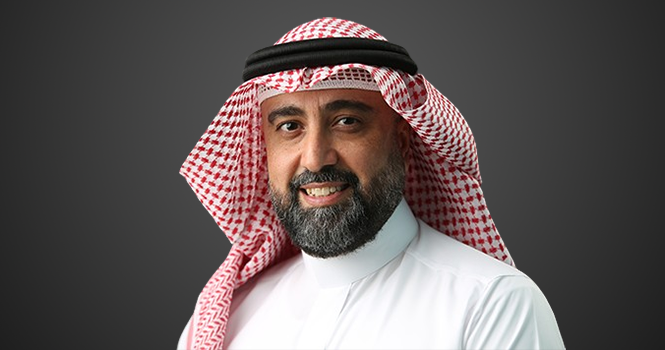
Alaa Al Sheikh, CEO ofBasic Chemical Industries Co. (BCI)
Basic Chemical Industries Co. (BCI) does not expect sharp fluctuations in the prices of chlorine and caustic soda products, given the availability of raw materials within Saudi Arabia, said CEO Alaa Al Sheikh. 
In an interview with Argaam, Al Sheikh said rising global energy prices could lead to higher production and transportation costs, noting that producers will pass most of these increases on to the end consumer.
Commenting on the company’s Q4 2025 results, he said the group’s business units showed mixed performance.
Growth was driven by the basic chemicals unit during the three-month period, with average prices rising about 3% compared to Q3 2025 and 21% compared to Q4 2024, while sales volumes remained relatively stable.
He added that the industrial adhesives segment recorded a 5% and 15% pullback in its fourth-quarter sales compared to Q3 2025 and Q4 2024, respectively.
Elsewhere, the polyurethane segment’s Q4 2025 sales fell 4% year-on-year (YoY), but climbed by 9% compared to the previous quarter, boosting polyurethane profitability by 4% in Q4 2025.
As for the basic chemicals segment’s Q4 2025 performance, Al Sheikh said sales volumes remained relatively stable, while prices of caustic soda, chlorine and hydrochloric acid increased, enhancing the unit’s profitability by more than 50% compared to the previous quarter.
As for the remaining segments, he said the water treatment chemicals unit saw a notable improvement in performance, with sales volumes increasing by about 25% compared to Q4 2024. Sales also rose 8%, which was reflected in the segment’s profitability, up around 14% YoY.
On the company’s financing structure, Al Sheikh said total debt stood at about SAR 413 million, of which SAR 361 million in a loan from the Saudi Industrial Development Fund (SIDF) allocated for the Jubail plant, while the remainder consists of commercial loans.
He added that the company is currently financing the cost of the first expansion phase, which was previously announced, through internal resources and short-term loans.
Regarding supply chains, Al Sheikh said the company has already begun to feel the impact of the recent regional military operations on supply movements.
Freight and insurance costs, as well as prices of some raw materials, have increased between 5% and 10% compared to the period before the military operations.
He added that the challenges are not limited to rising costs but also extend to securing and delivering raw materials on time, which may pressure companies’ inventory levels and affect their ability to meet customer orders. This, in turn, could lead to higher selling prices.
He also noted that disrupted exports may force some customers to reduce production, thereby curtailing their demand for raw materials.
Al Sheikh confirmed that production and supply chains are interconnected, noting that the duration of the military operations will be the most important factor determining the scale of the impact.
He pointed out that even if these military operations come to an end, it may take several weeks for supply chains to return to normal.
According to data available with Argaam, BCI reported a net profit of SAR 17.4 million by the end of 2025, compared to SAR 8.5 million a year earlier. The Q4 2025 profit reached SAR 6.5 million, up 70% on an annual basis.
Alaa Al Sheikh, CEO ofBasic Chemical Industries Co. (BCI)
Basic Chemical Industries Co. (BCI) does not expect sharp fluctuations in the prices of chlorine and caustic soda products, given the availability of raw materials within Saudi Arabia, said CEO Alaa Al Sheikh.
In an interview with Argaam, Al Sheikh said rising global energy prices could lead to higher production and transportation costs, noting that producers will pass most of these increases on to the end consumer.
Commenting on the company’s Q4 2025 results, he said the group’s business units showed mixed performance.
Growth was driven by the basic chemicals unit during the three-month period, with average prices rising about 3% compared to Q3 2025 and 21% compared to Q4 2024, while sales volumes remained relatively stable.
He added that the industrial adhesives segment recorded a 5% and 15% pullback in its fourth-quarter sales compared to Q3 2025 and Q4 2024, respectively.
Elsewhere, the polyurethane segment’s Q4 2025 sales fell 4% year-on-year (YoY), but climbed by 9% compared to the previous quarter, boosting polyurethane profitability by 4% in Q4 2025.
As for the basic chemicals segment’s Q4 2025 performance, Al Sheikh said sales volumes remained relatively stable, while prices of caustic soda, chlorine and hydrochloric acid increased, enhancing the unit’s profitability by more than 50% compared to the previous quarter.
As for the remaining segments, he said the water treatment chemicals unit saw a notable improvement in performance, with sales volumes increasing by about 25% compared to Q4 2024. Sales also rose 8%, which was reflected in the segment’s profitability, up around 14% YoY.
On the company’s financing structure, Al Sheikh said total debt stood at about SAR 413 million, of which SAR 361 million in a loan from the Saudi Industrial Development Fund (SIDF) allocated for the Jubail plant, while the remainder consists of commercial loans.
He added that the company is currently financing the cost of the first expansion phase, which was previously announced, through internal resources and short-term loans.
Regarding supply chains, Al Sheikh said the company has already begun to feel the impact of the recent regional military operations on supply movements.
Freight and insurance costs, as well as prices of some raw materials, have increased between 5% and 10% compared to the period before the military operations.
He added that the challenges are not limited to rising costs but also extend to securing and delivering raw materials on time, which may pressure companies’ inventory levels and affect their ability to meet customer orders. This, in turn, could lead to higher selling prices.
He also noted that disrupted exports may force some customers to reduce production, thereby curtailing their demand for raw materials.
Al Sheikh confirmed that production and supply chains are interconnected, noting that the duration of the military operations will be the most important factor determining the scale of the impact.
He pointed out that even if these military operations come to an end, it may take several weeks for supply chains to return to normal.
According to data available with Argaam, BCI reported a net profit of SAR 17.4 million by the end of 2025, compared to SAR 8.5 million a year earlier. The Q4 2025 profit reached SAR 6.5 million, up 70% on an annual basis.