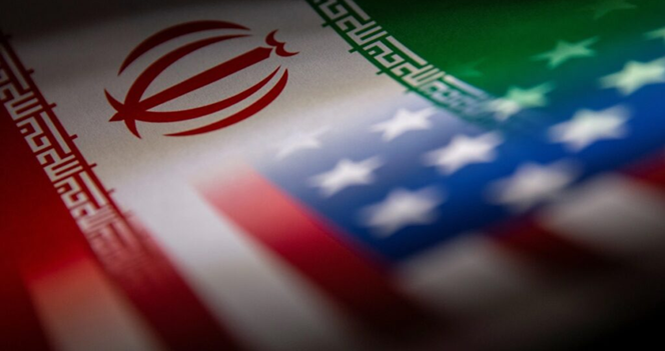
US Vice President J.D. Vance said the United States and Iran failed to reach an agreement to end the Middle East conflict after prolonged talks in Pakistan.
At a press conference in Islamabad on Sunday, the US vice president said negotiations collapsed after Iran refused to accept Washington’s conditions. The American delegation is set to leave Pakistan.
The talks lasted 21 hours and included several substantive discussions with Iranian negotiators, Vance noted, describing that as a positive aspect of the meetings.
No agreement was reached, however, leaving both sides back at square one. The outcome is more unfavorable for Iran than for the United States, according to the US official.
Iranian negotiators rejected what Washington described as very flexible terms. The US side acted in good faith and made every effort to reach a deal, but failed to achieve progress.
The main obstacle remains Iran’s refusal to abandon its nuclear program, the vice president said.
Washington is leaving the talks with what it described as a simple framework representing its final and best offer, with uncertainty over whether Tehran will accept it.
The United States is seeking a clear commitment from Iran not to pursue a nuclear weapon or develop the capabilities to obtain one quickly. So far, no credible long-term commitment has been observed from the Iranian side.
Throughout the negotiations, Vance remained in close contact with President Donald Trump, speaking with him multiple times over the 21-hour period.
He also coordinated with senior US officials, including Secretary of State Marco Rubio, Defense Secretary Pete Hegseth, Treasury Secretary Scott Bessent, and Admiral Brad Cooper.
What does this mean?
The statements raise questions about the future of the conflict and the prospects for a ceasefire, particularly as Iran has not committed to reopening the Strait of Hormuz, which could prolong disruptions to global energy supplies.
No clear next steps were outlined following the failure of the Islamabad talks. However, the US signaled that Iran could still choose to accept its final offer, without indicating any upcoming negotiations.
US Vice President J.D. Vance said the United States and Iran failed to reach an agreement to end the Middle East conflict after prolonged talks in Pakistan.
At a press conference in Islamabad on Sunday, the US vice president said negotiations collapsed after Iran refused to accept Washington’s conditions. The American delegation is set to leave Pakistan.
The talks lasted 21 hours and included several substantive discussions with Iranian negotiators, Vance noted, describing that as a positive aspect of the meetings.
No agreement was reached, however, leaving both sides back at square one. The outcome is more unfavorable for Iran than for the United States, according to the US official.
Iranian negotiators rejected what Washington described as very flexible terms. The US side acted in good faith and made every effort to reach a deal, but failed to achieve progress.
The main obstacle remains Iran’s refusal to abandon its nuclear program, the vice president said.
Washington is leaving the talks with what it described as a simple framework representing its final and best offer, with uncertainty over whether Tehran will accept it.
The United States is seeking a clear commitment from Iran not to pursue a nuclear weapon or develop the capabilities to obtain one quickly. So far, no credible long-term commitment has been observed from the Iranian side.
Throughout the negotiations, Vance remained in close contact with President Donald Trump, speaking with him multiple times over the 21-hour period.
He also coordinated with senior US officials, including Secretary of State Marco Rubio, Defense Secretary Pete Hegseth, Treasury Secretary Scott Bessent, and Admiral Brad Cooper.
What does this mean?
The statements raise questions about the future of the conflict and the prospects for a ceasefire, particularly as Iran has not committed to reopening the Strait of Hormuz, which could prolong disruptions to global energy supplies.
No clear next steps were outlined following the failure of the Islamabad talks. However, the US signaled that Iran could still choose to accept its final offer, without indicating any upcoming negotiations.