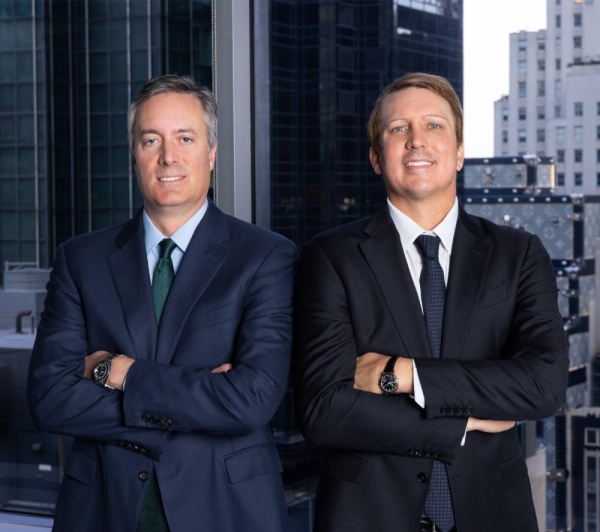
Mohammed Almatrafi, CEO of United Cement Industrial Co.
Mohammed Almatrafi, CEO of United Cement Industrial Co., stated that cement demand saw a noticeable improvement in Q4, driven by the commencement of major projects in Jeddah, Makkah, and the Red Sea region. 
In an interview with Argaam on the sidelines of the International Mining and Resources Conference (IMARC), Almatrafi highlighted that Saudi Arabia’s hosting of the 2034 World Cup, the 2030 Expo, and the launch of key projects like Central Jeddah, the Red Sea, Neom, and Qiddiya will have a positive impact on the region. These initiatives are expected to significantly increase cement demand over the next seven years.
He forecasted that this period would be “golden years” for the cement sector in the Kingdom, despite the growing supply.
He further pointed out that the national supply currently stands at around 80 million tons annually, compared to a demand range of 50 to 53 million tons. He anticipates continued demand growth, especially leading up to peak seasons, although demand typically experiences seasonal declines during Hajj and Ramadan, before recovering afterward.
Founded in 2013 and starting production in 2016, United Cement’s total production reached approximately 15 million tons by the end of 2024. The company primarily focuses on meeting the needs of markets in the western region, as well as parts of the southern region.
Almatrafi also noted that United Cement is the leading producer of green cement in the Kingdom, with over 40% of its production capacity dedicated to this product. The company manufactures four types of cement: pozzolanic Portland cement, finishing cement, sulfate-resistant cement, and ordinary Portland cement.
The company holds a market share of 18% to 20% in the western region, and between 3.6% and 4.2% nationwide, depending on seasonal demand.
The company’s products received important certifications from the Ministry of Transport, the Ministry of Municipal and Rural Affairs and the Ministry of Housing, as well as accreditation from major consultancy firms such as Dar Al-Handasah, the CEO added.
Almatrafi noted that the company aims to maintain its leadership position by focusing on product quality, timely delivery, and adherence to both local and international accreditation standards, ensuring continued trust from its clients.
Mohammed Almatrafi, CEO of United Cement Industrial Co.
Mohammed Almatrafi, CEO of United Cement Industrial Co., stated that cement demand saw a noticeable improvement in Q4, driven by the commencement of major projects in Jeddah, Makkah, and the Red Sea region.
In an interview with Argaam on the sidelines of the International Mining and Resources Conference (IMARC), Almatrafi highlighted that Saudi Arabia’s hosting of the 2034 World Cup, the 2030 Expo, and the launch of key projects like Central Jeddah, the Red Sea, Neom, and Qiddiya will have a positive impact on the region. These initiatives are expected to significantly increase cement demand over the next seven years.
He forecasted that this period would be “golden years” for the cement sector in the Kingdom, despite the growing supply.
He further pointed out that the national supply currently stands at around 80 million tons annually, compared to a demand range of 50 to 53 million tons. He anticipates continued demand growth, especially leading up to peak seasons, although demand typically experiences seasonal declines during Hajj and Ramadan, before recovering afterward.
Founded in 2013 and starting production in 2016, United Cement’s total production reached approximately 15 million tons by the end of 2024. The company primarily focuses on meeting the needs of markets in the western region, as well as parts of the southern region.
Almatrafi also noted that United Cement is the leading producer of green cement in the Kingdom, with over 40% of its production capacity dedicated to this product. The company manufactures four types of cement: pozzolanic Portland cement, finishing cement, sulfate-resistant cement, and ordinary Portland cement.
The company holds a market share of 18% to 20% in the western region, and between 3.6% and 4.2% nationwide, depending on seasonal demand.
The company’s products received important certifications from the Ministry of Transport, the Ministry of Municipal and Rural Affairs and the Ministry of Housing, as well as accreditation from major consultancy firms such as Dar Al-Handasah, the CEO added.
Almatrafi noted that the company aims to maintain its leadership position by focusing on product quality, timely delivery, and adherence to both local and international accreditation standards, ensuring continued trust from its clients.