AymanAl-Sayari,Governor of Saudi Central Bank (SAMA)
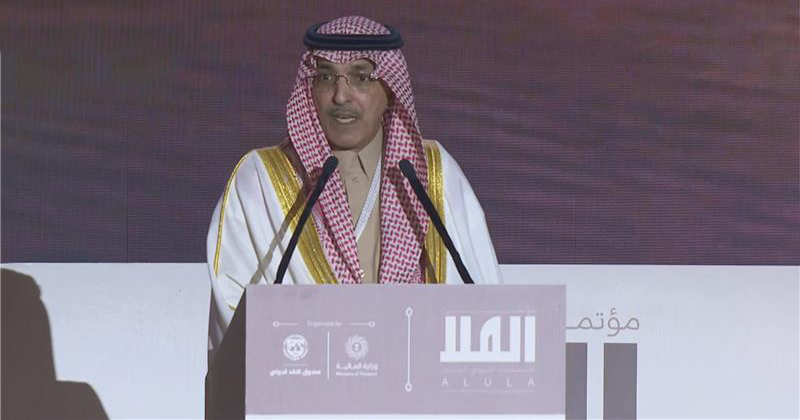
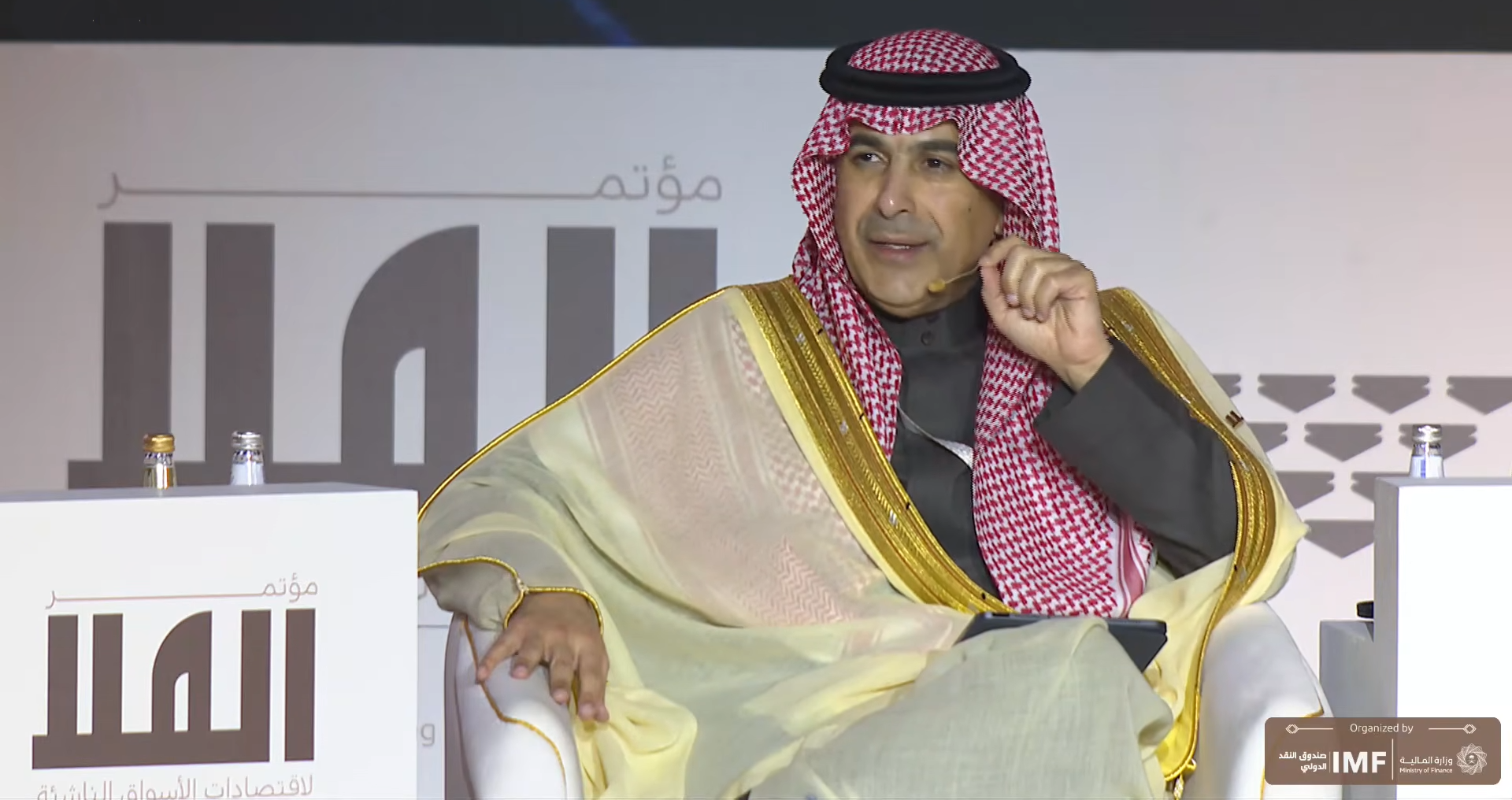
Saudi Arabia has relied on its cash reserves to maintain financial and monetary stability, alongside countercyclical fiscal policies to cushion the impact of oil price swings on economic activity, Saudi Central Bank (SAMA) Governor AymanAl-Sayari saidin a panel discussion at theAlUla Emerging Markets Economics Conference. 
He noted that reserves are built during strong growth periods and deployed strategically to support balance-of-payments needs, stabilize the economy, and shield growth from commodity volatility.
Internationalcoordination, according to the official, remains a shared goal for advanced and emerging economies, with a proactive approach to structural vulnerabilities. Experience-sharing among policymakers has strengthened vigilance and governance in emerging markets, supporting global financial stability, while policy tools have evolved significantly since the global financial crisis, through COVID-19, and amid trade fragmentation and supply chain disruptions.
Al-Sayarisaid shocks to the global financial system are increasingly multi-dimensional, frequent, and often external to domestic fundamentals, posing heightened challenges for emerging markets, which face greater structural volatility and institutionalconstraints. This in turn makes them more exposed to global financial shifts and more vulnerable to disproportionately large domestic impacts from geopolitical, financial, or commodity-related shocks.
Geopolitical tensions, trade fragmentation, rising debt, and higher funding costs are key challenges for emerging-market policymakers, withongoing trade frictions potentially driving inflation, reducing export revenues, weakening growth, and undermining investor sentiment. He also explained thaton “de-dollarization”,the proper approach is gradual recalibration and limited diversification within a flexible international monetary system anchored in trust, strong institutions, and effective cross-border coordination.
He added that the US dollar remains dominant, accounting for roughly 57% of global FX reserves, involved in 89% of forex transactions, and used in about 40% of global trade, according tothe2025data. Itsperformanceisassessed over the long term as it trades above its 50-year average and is supported by deep US markets, high liquidity, and a robust legal framework, suggesting it will remain central to the global monetary system.
Al-Sayari outlined three priorities to strengthen international cooperation, including enhancing cross-border data sharing amid nonbank payment and intermediation innovations, improving alignment and oversight of new financial technologies, and accelerating knowledge exchange to support supervisory upgrades in emerging economies, emphasizing that the strength of the global financial system depends on the resilience of its weakestlinks.
AymanAl-Sayari,Governor of Saudi Central Bank (SAMA)
Saudi Arabia has relied on its cash reserves to maintain financial and monetary stability, alongside countercyclical fiscal policies to cushion the impact of oil price swings on economic activity, Saudi Central Bank (SAMA) Governor AymanAl-Sayari saidin a panel discussion at theAlUla Emerging Markets Economics Conference.
He noted that reserves are built during strong growth periods and deployed strategically to support balance-of-payments needs, stabilize the economy, and shield growth from commodity volatility.
Internationalcoordination, according to the official, remains a shared goal for advanced and emerging economies, with a proactive approach to structural vulnerabilities. Experience-sharing among policymakers has strengthened vigilance and governance in emerging markets, supporting global financial stability, while policy tools have evolved significantly since the global financial crisis, through COVID-19, and amid trade fragmentation and supply chain disruptions.
Al-Sayarisaid shocks to the global financial system are increasingly multi-dimensional, frequent, and often external to domestic fundamentals, posing heightened challenges for emerging markets, which face greater structural volatility and institutionalconstraints. This in turn makes them more exposed to global financial shifts and more vulnerable to disproportionately large domestic impacts from geopolitical, financial, or commodity-related shocks.
Geopolitical tensions, trade fragmentation, rising debt, and higher funding costs are key challenges for emerging-market policymakers, withongoing trade frictions potentially driving inflation, reducing export revenues, weakening growth, and undermining investor sentiment. He also explained thaton “de-dollarization”,the proper approach is gradual recalibration and limited diversification within a flexible international monetary system anchored in trust, strong institutions, and effective cross-border coordination.
He added that the US dollar remains dominant, accounting for roughly 57% of global FX reserves, involved in 89% of forex transactions, and used in about 40% of global trade, according tothe2025data. Itsperformanceisassessed over the long term as it trades above its 50-year average and is supported by deep US markets, high liquidity, and a robust legal framework, suggesting it will remain central to the global monetary system.
Al-Sayari outlined three priorities to strengthen international cooperation, including enhancing cross-border data sharing amid nonbank payment and intermediation innovations, improving alignment and oversight of new financial technologies, and accelerating knowledge exchange to support supervisory upgrades in emerging economies, emphasizing that the strength of the global financial system depends on the resilience of its weakestlinks.