The government focused on decoupling spending from the cycle over the past eight years, says Finance Minister Mohammed Al-Jadaan
Saudi Finance Minister Mohammed Al-Jadaan said the Kingdom spent the last four decades managing fiscal-policy challenges, mainly because government spending rose and fell in line with the economic cycle, mirroring shifts in oil prices and economic activity, which led to unwanted volatility. 
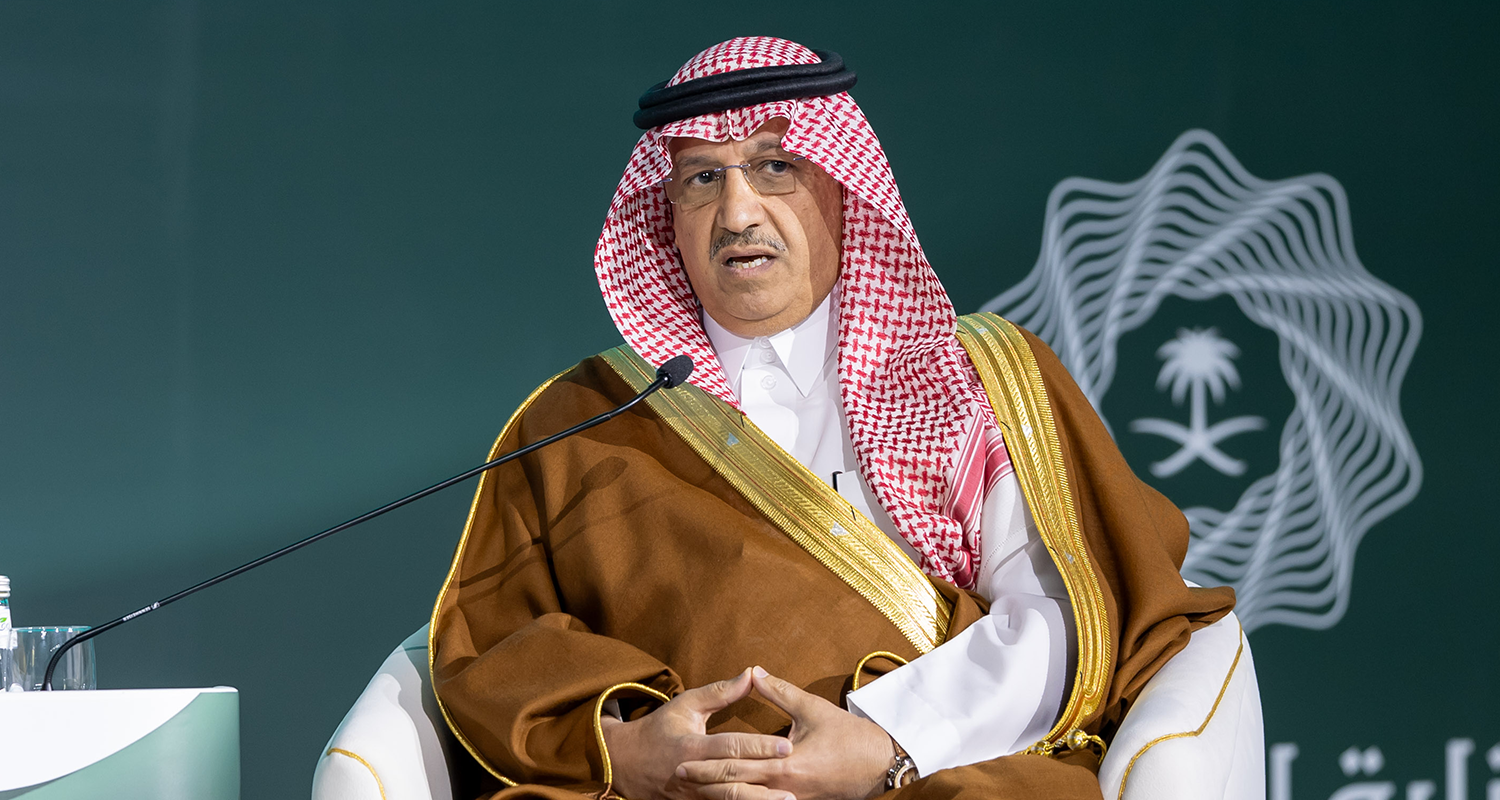
At a panel on sustainable development during the 2026 budget, he noted that the government focused on decoupling spending from the cycle over the past eight years, ensuring it no longer responds automatically to domestic or global growth swings.
He explained that when growth slows, domestically or overseas, spending is increased to stimulate the economy, while stronger growth and rising inflation prompt a slight reduction in spending to control price pressures.
Despite the oil sector’s growth averaging -0.5% from 2016 to 2024, the Kingdom achieved 5% annual growth in non-oil activity, thanks to the new fiscal approach, which would not have been possible under the previous cycle-linked policies, the minister said.
Al-Jadaan said the strategy’s success comes from directing spending toward sectors with direct economic impact and essential services for citizens, stimulating consumption and investment.
The same approach will continue over the next three years, he stated.
The government focused on decoupling spending from the cycle over the past eight years, says Finance Minister Mohammed Al-Jadaan
Saudi Finance Minister Mohammed Al-Jadaan said the Kingdom spent the last four decades managing fiscal-policy challenges, mainly because government spending rose and fell in line with the economic cycle, mirroring shifts in oil prices and economic activity, which led to unwanted volatility.
At a panel on sustainable development during the 2026 budget, he noted that the government focused on decoupling spending from the cycle over the past eight years, ensuring it no longer responds automatically to domestic or global growth swings.
He explained that when growth slows, domestically or overseas, spending is increased to stimulate the economy, while stronger growth and rising inflation prompt a slight reduction in spending to control price pressures.
Despite the oil sector’s growth averaging -0.5% from 2016 to 2024, the Kingdom achieved 5% annual growth in non-oil activity, thanks to the new fiscal approach, which would not have been possible under the previous cycle-linked policies, the minister said.
Al-Jadaan said the strategy’s success comes from directing spending toward sectors with direct economic impact and essential services for citizens, stimulating consumption and investment.
The same approach will continue over the next three years, he stated.