Saudi General Authority of Civil Aviation (GACA) is advancing a major privatization initiative beginning with Abha Airport, with Chief Abdulaziz Al-Duailej confirming that the authority has received bids from over 100 companies to operate and manage the facility.
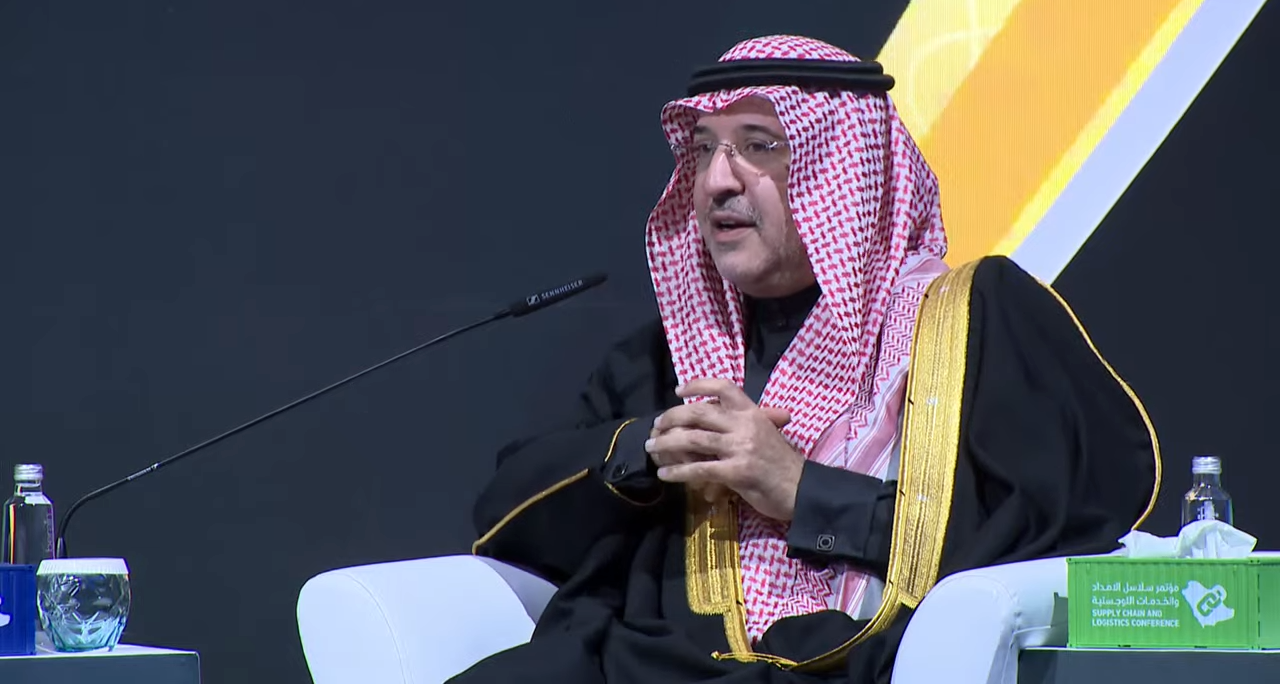
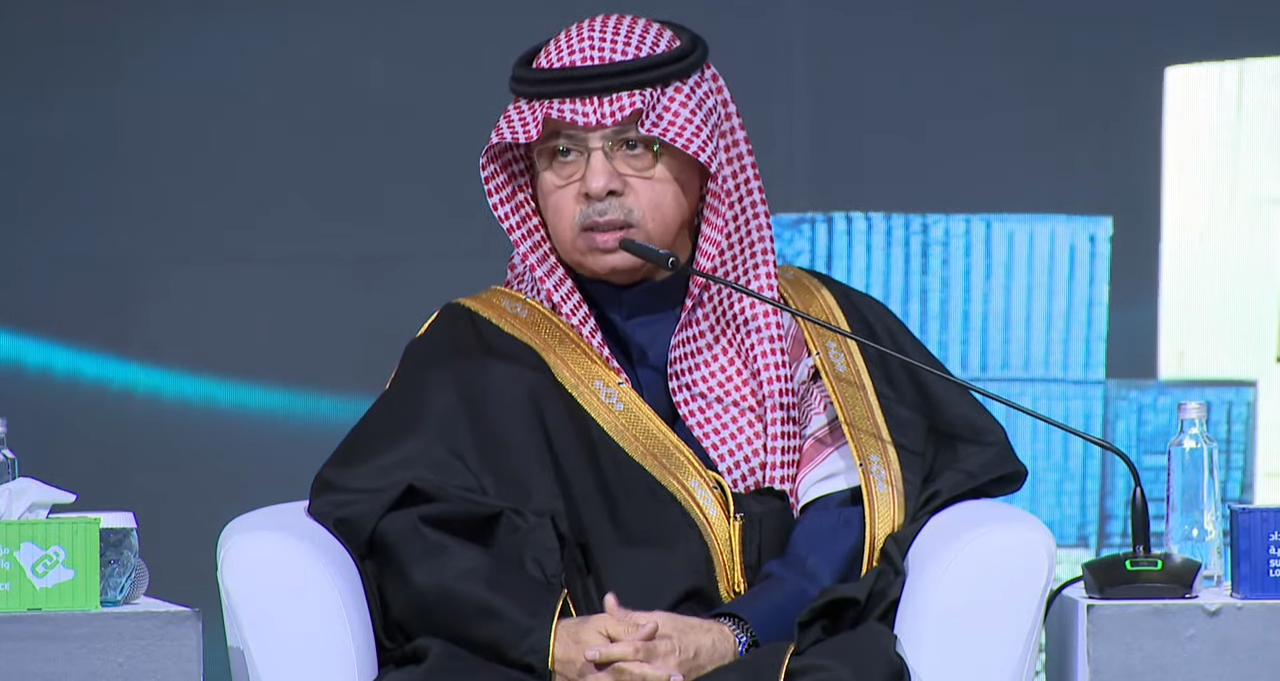
Speaking at the Supply Chains and Logistics Conference, Al-Duailej said the winning consortium for Abha Airport will be announced within three months, with privatization plans for Taif, Qassim, and Hail airports to follow.
GACA aims to boost Abha Airport’s capacity from 1.5 million passengers to 13 million in three phases.
On the logistics front, expansion plans in Riyadh-style logistics zones will extend to Jeddah and Dammam airports, currently under government review, with regulatory approvals expected soon.
The first phase of Riyadh’s logistics infrastructure development, involving multibillion-riyal investments, has been completed, with phase two set to be executed in partnership with the private sector.
Overall, Saudi airports’ logistics zones have expanded storage capacity from roughly 1.8 million tons to about 3.3 million tons annually, targeting a surge in air cargo from under 1 million tons in 2019 to around 4 million tons by 2030.
Saudi General Authority of Civil Aviation (GACA) is advancing a major privatization initiative beginning with Abha Airport, with Chief Abdulaziz Al-Duailej confirming that the authority has received bids from over 100 companies to operate and manage the facility.
Speaking at the Supply Chains and Logistics Conference, Al-Duailej said the winning consortium for Abha Airport will be announced within three months, with privatization plans for Taif, Qassim, and Hail airports to follow.
GACA aims to boost Abha Airport’s capacity from 1.5 million passengers to 13 million in three phases.
On the logistics front, expansion plans in Riyadh-style logistics zones will extend to Jeddah and Dammam airports, currently under government review, with regulatory approvals expected soon.
The first phase of Riyadh’s logistics infrastructure development, involving multibillion-riyal investments, has been completed, with phase two set to be executed in partnership with the private sector.
Overall, Saudi airports’ logistics zones have expanded storage capacity from roughly 1.8 million tons to about 3.3 million tons annually, targeting a surge in air cargo from under 1 million tons in 2019 to around 4 million tons by 2030.