Saudi Arabia aims to halve water production costs by 2035: Al Fadley
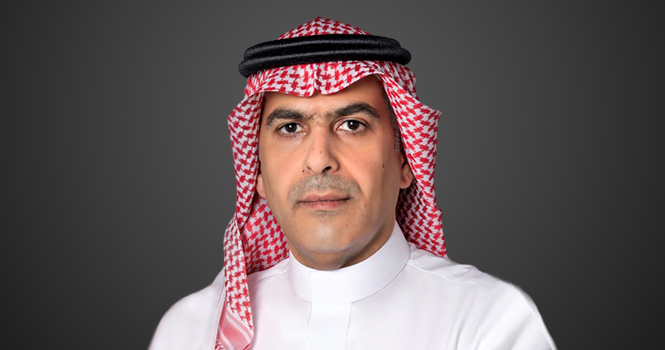
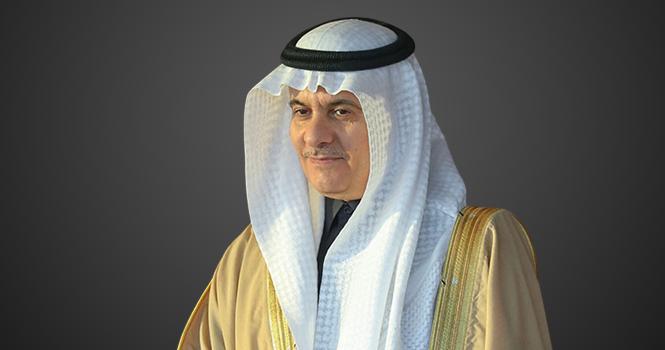
Saudi Arabia is the world’s largest water producer with a capacity exceeding 16 million cubic meters per day (cmpd), Minister of Environment, Water and Agriculture Abdulrahman Al-Fadley said. The Kingdom targets a 50% reduction in water production costs and a 90% cut in consumption of non-renewable groundwater by 2035. 
Speaking at the Rome Dialogue, Al-Fadley said Saudi Arabia has signed 25 private-sector partnership contracts for projects worth more than SAR 104 billion, spanning desalinated water production, transmission and reuse.
He added the Kingdom has vast water-transport infrastructure stretching more than 19,000 kilometers and rising to elevations of up to 3,000 meters, with networks covering over 82% of populated areas.
The National Water Strategy has reduced the annual use of non-renewable water sources in agriculture by 8 billion cubic meters versus the baseline at launch, while renewable water use has risen by more than one billion cubic meters per year through rainwater-harvesting initiatives.
Saudi Arabia’s agricultural GDP posted robust growth between 2020 and 2024, rising from SAR 85.1 billion to about SAR 117.9 billion, a compound annual growth rate of roughly 8.5%, he said, noting the sector’s close linkage to water availability.
Accordingly, Saudi Arabia is managing water resources to balance food production and water sustainability—aligning supply and demand, boosting the food-security return on agricultural water use, and supporting detailed studies of aquifers and surface water alongside more efficient irrigation policies.
Saudi Arabia aims to halve water production costs by 2035: Al Fadley
Saudi Arabia is the world’s largest water producer with a capacity exceeding 16 million cubic meters per day (cmpd), Minister of Environment, Water and Agriculture Abdulrahman Al-Fadley said. The Kingdom targets a 50% reduction in water production costs and a 90% cut in consumption of non-renewable groundwater by 2035.
Speaking at the Rome Dialogue, Al-Fadley said Saudi Arabia has signed 25 private-sector partnership contracts for projects worth more than SAR 104 billion, spanning desalinated water production, transmission and reuse.
He added the Kingdom has vast water-transport infrastructure stretching more than 19,000 kilometers and rising to elevations of up to 3,000 meters, with networks covering over 82% of populated areas.
The National Water Strategy has reduced the annual use of non-renewable water sources in agriculture by 8 billion cubic meters versus the baseline at launch, while renewable water use has risen by more than one billion cubic meters per year through rainwater-harvesting initiatives.
Saudi Arabia’s agricultural GDP posted robust growth between 2020 and 2024, rising from SAR 85.1 billion to about SAR 117.9 billion, a compound annual growth rate of roughly 8.5%, he said, noting the sector’s close linkage to water availability.
Accordingly, Saudi Arabia is managing water resources to balance food production and water sustainability—aligning supply and demand, boosting the food-security return on agricultural water use, and supporting detailed studies of aquifers and surface water alongside more efficient irrigation policies.