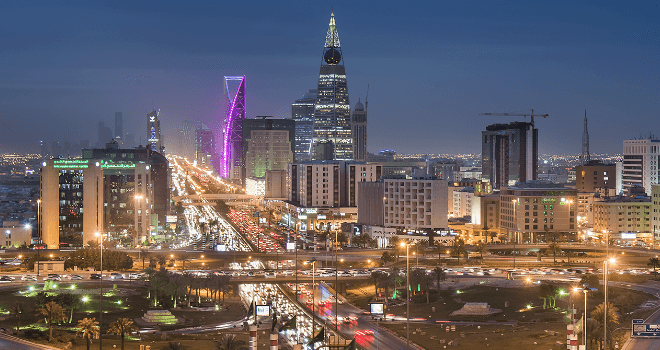
Riyadh city
Saudi Arabia’s real estate sector has witnessed a series of regulatory decisions during 2025 which reshaped its landscape, aiming to curb speculation, increase the supply of housing units and developed land, and boost the sector’s attractiveness to local and foreign investments. 
These decisions included measures with a direct impact on the market, most notably freezing rent increases in Riyadh city, amending idle land fees, regulating non-Saudi property ownership, and introducing a package of housing support programs. This reflects a clear direction toward achieving a sustainable balance between market stability and citizens’ ability to own and access housing at affordable costs.
In addition, several programs and initiatives were launched to accelerate housing supply, most notably the Real Estate Balance Platform (Tawazoun), extending the Facilitated Mortgage Program for three years, granting the Ministry of Municipalities and Housing the authority to sell units from its projects to non-beneficiaries, and launching the instant licensing service for off-plan sales projects. These measures helped accelerate homeownership and provide diverse housing options for citizens.
The measures also included updates to regulate the market, such as amending white land fees to accelerate land development within urban boundaries, approving regulations for non-Saudi ownership of real estate under specific conditions, and updating the housing support law to include younger age groups and reduce eligibility restrictions, balancing economic stimulation with social protection.
Riyadh city
Saudi Arabia’s real estate sector has witnessed a series of regulatory decisions during 2025 which reshaped its landscape, aiming to curb speculation, increase the supply of housing units and developed land, and boost the sector’s attractiveness to local and foreign investments.
These decisions included measures with a direct impact on the market, most notably freezing rent increases in Riyadh city, amending idle land fees, regulating non-Saudi property ownership, and introducing a package of housing support programs. This reflects a clear direction toward achieving a sustainable balance between market stability and citizens’ ability to own and access housing at affordable costs.
In addition, several programs and initiatives were launched to accelerate housing supply, most notably the Real Estate Balance Platform (Tawazoun), extending the Facilitated Mortgage Program for three years, granting the Ministry of Municipalities and Housing the authority to sell units from its projects to non-beneficiaries, and launching the instant licensing service for off-plan sales projects. These measures helped accelerate homeownership and provide diverse housing options for citizens.
The measures also included updates to regulate the market, such as amending white land fees to accelerate land development within urban boundaries, approving regulations for non-Saudi ownership of real estate under specific conditions, and updating the housing support law to include younger age groups and reduce eligibility restrictions, balancing economic stimulation with social protection.