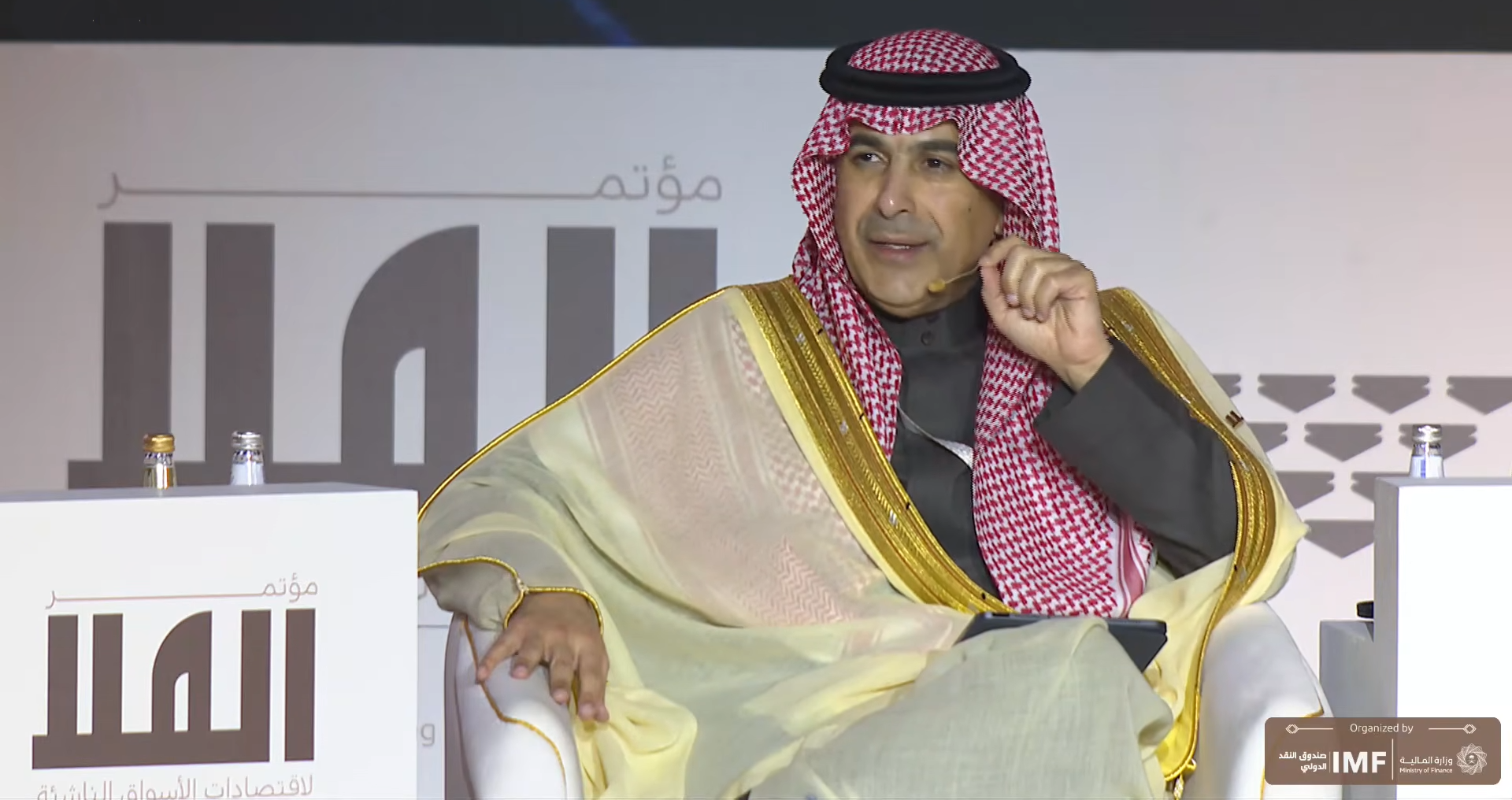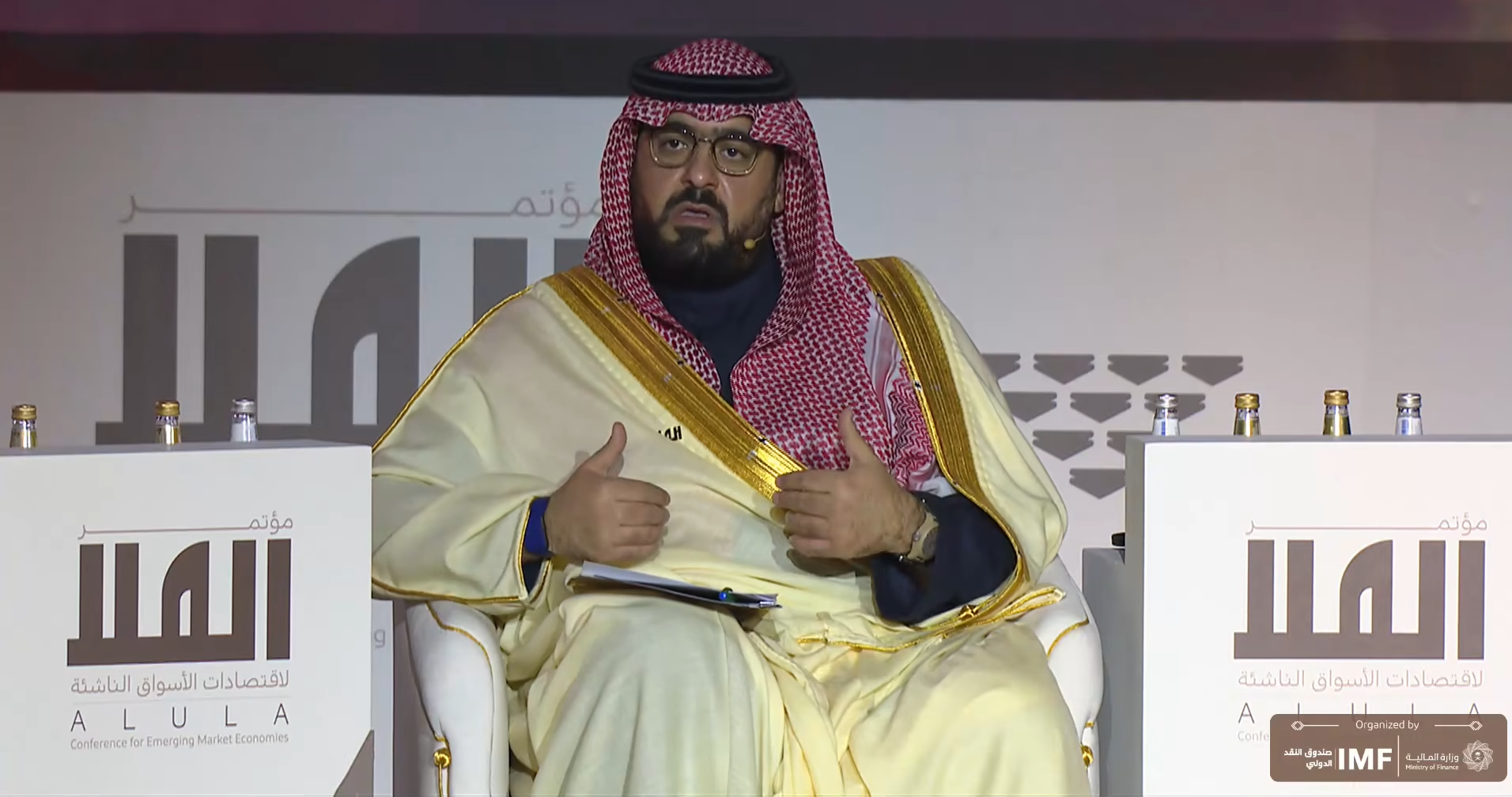
Faisal Alibrahim,Minister of Economy and Planning
Saudi Arabia has been able to manage and benefit from the changes taking place in international trade, Minister of Economy and Planning Faisal Alibrahim stated. 
Speaking at the AlUla Conference for Emerging Market Economies (ACEME), Alibrahim assured the Kingdom was better prepared for these shifts, supported by diversification efforts under Vision 2030.
Accordingly, Saudi Arabia assumed a more pivotal role in global trade and capitalized on the opportunities arising from these developments.
The rules-based market system is facing increasing pressure, making resilience a decisive factor. Countries that have designed their systems to be more flexible and that possess strong institutional capabilities may be better positioned to confront challenges.
The Saudi minister explained that global trade is not coming to an end, stressing that trade and investment remain central pillars for many economies, particularly emerging markets (EMs), which will therefore continue to seek the uninterrupted flow of trade.
He said that US–China trade tensions will result in a reallocation of global trade, not a retreat, requiring continuous adjustments as periods of pressure reflect institutional imbalances rather than failure.
He added that reallocation and adaptation are complex, multi-dimensional processes that vary across countries.
For EM economies, this is not a temporary disruption but a period of strategic choice. They have the opportunity to shape how they adapt to the evolving trade system, identify new sources of value, and rely on strong institutions to turn adaptation from a cost into a competitive advantage.
He stressed the importance of speed and flexibility in decision-making, noting that delays carry cumulative costs, whereas countries able to accelerate decision cycles while maintaining credibility can turn speed into a strategic advantage.
Alibrahim affirmed that a new global trade order is emerging, emphasizing the need to account for fragmented reallocation and a different form of globalization centered on unlocking latent potential.
The Saudi minister said greater predictability enhances the ability to respond through agreed-upon rules.
Faisal Alibrahim,Minister of Economy and Planning
Saudi Arabia has been able to manage and benefit from the changes taking place in international trade, Minister of Economy and Planning Faisal Alibrahim stated.
Speaking at the AlUla Conference for Emerging Market Economies (ACEME), Alibrahim assured the Kingdom was better prepared for these shifts, supported by diversification efforts under Vision 2030.
Accordingly, Saudi Arabia assumed a more pivotal role in global trade and capitalized on the opportunities arising from these developments.
The rules-based market system is facing increasing pressure, making resilience a decisive factor. Countries that have designed their systems to be more flexible and that possess strong institutional capabilities may be better positioned to confront challenges.
The Saudi minister explained that global trade is not coming to an end, stressing that trade and investment remain central pillars for many economies, particularly emerging markets (EMs), which will therefore continue to seek the uninterrupted flow of trade.
He said that US–China trade tensions will result in a reallocation of global trade, not a retreat, requiring continuous adjustments as periods of pressure reflect institutional imbalances rather than failure.
He added that reallocation and adaptation are complex, multi-dimensional processes that vary across countries.
For EM economies, this is not a temporary disruption but a period of strategic choice. They have the opportunity to shape how they adapt to the evolving trade system, identify new sources of value, and rely on strong institutions to turn adaptation from a cost into a competitive advantage.
He stressed the importance of speed and flexibility in decision-making, noting that delays carry cumulative costs, whereas countries able to accelerate decision cycles while maintaining credibility can turn speed into a strategic advantage.
Alibrahim affirmed that a new global trade order is emerging, emphasizing the need to account for fragmented reallocation and a different form of globalization centered on unlocking latent potential.
The Saudi minister said greater predictability enhances the ability to respond through agreed-upon rules.