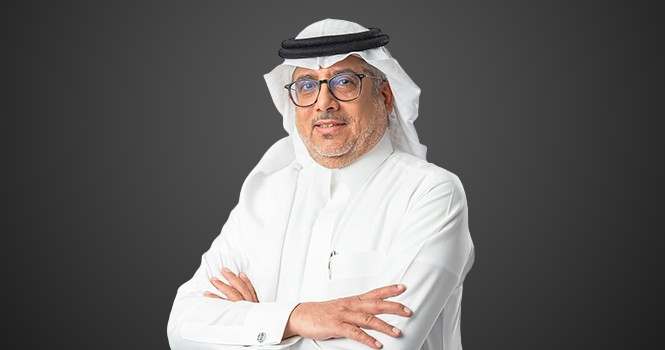
Nabil Al-Amir, CEO ofUnited Wire Factories Co. (Aslak)
Demand for the company’s products remains below available market capacities, which have increased over the past two years due to the entry of new market players or existing manufacturers implementing capacity ramp-ups, added Al-Amir. 
Although Q3 2025 results were below estimates, Aslak demonstrated improved performance compared to the two previous quarters, Al-Amir noted. This improvement was fueled by a series of measures Aslak implemented to address the current market conditions, where demand remains subdued, and competition intensified amid rising production capacities in recent years. This, accordingly, put pressure on profit margins, as the company continues to maintain its market share, boost output, and remain competitive.
Aslak reported total sales value at approximately SAR 201 million in Q3 2025, a 21% increase year-on-year (YoY), while sales volumes rose by 38%, reflecting fierce price competition and margin pressure. Additionally, transportation costs increased YoY along with an increase in selling and distribution expenses.
Throughout the year, Aslak sought to maximize utilization of its production capacity to absorb fixed costs and enhance margins, with utilization rates ranging between 80% and 90% during the year.
According to Argaam data, Aslak’s net profit reached SAR 3.9 million (-73%) for the first nine months of 2025, while Q3 profit came in at SAR 2.7 million (-32%).
Nabil Al-Amir, CEO ofUnited Wire Factories Co. (Aslak)
Demand for the company’s products remains below available market capacities, which have increased over the past two years due to the entry of new market players or existing manufacturers implementing capacity ramp-ups, added Al-Amir.
Although Q3 2025 results were below estimates, Aslak demonstrated improved performance compared to the two previous quarters, Al-Amir noted. This improvement was fueled by a series of measures Aslak implemented to address the current market conditions, where demand remains subdued, and competition intensified amid rising production capacities in recent years. This, accordingly, put pressure on profit margins, as the company continues to maintain its market share, boost output, and remain competitive.
Aslak reported total sales value at approximately SAR 201 million in Q3 2025, a 21% increase year-on-year (YoY), while sales volumes rose by 38%, reflecting fierce price competition and margin pressure. Additionally, transportation costs increased YoY along with an increase in selling and distribution expenses.
Throughout the year, Aslak sought to maximize utilization of its production capacity to absorb fixed costs and enhance margins, with utilization rates ranging between 80% and 90% during the year.
According to Argaam data, Aslak’s net profit reached SAR 3.9 million (-73%) for the first nine months of 2025, while Q3 profit came in at SAR 2.7 million (-32%).