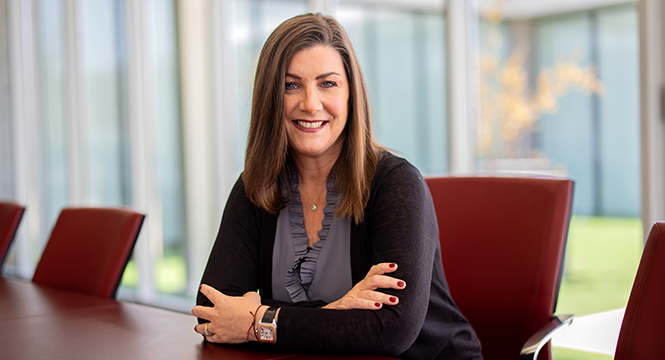
Alison Rehill-Erguven, CEO ofCenomi Centers
Cenomi Centers onboarded 162 brands in Q3 2026, including 110 international brands, and renewed 1,997 leases in the first nine months of the year, CEO Alison Rehill-Erguven said. 
She stressed that the company’s priority is to improve the quality and sustainability of rental income through active leasing, lease renewals and stronger tenant performance.
In an interview with Argaam, Erguven added that footfall increased 20.7% to 39 million visitors in Q3 2026, reflecting growing demand for the company’s destinations.
Higher visitor numbers supported tenant sales and turnover-related rental income, while net rental revenue increased 2.8% to SAR 507.3 million in Q3.
She noted that footfall reached 109 million visitors in 9M 2026, up 11.4% on a like-for-like basis. Like-for-like occupancy stood at 91.8%, compared with 92.1% in September 2025.
Company Borrowings and Financial Results
Erguven said the increase in the company’s borrowings reflects continued funding for its major development projects.
Total borrowings stood at approximately SAR 16.1 billion at the end of September 2026, compared with SAR 15.1 billion at the end of June, while net debt reached approximately SAR 14.9 billion.
The company’s cash balance increased to SAR 1.14 billion in Q3, primarily supported by a SAR 750 million drawdown from revolving credit facilities, strengthening liquidity ahead of the remaining development commitments.
She said Cenomi Centers targets revenue of approximately SAR 2.4 billion and EBITDA of around SAR 1.6 billion in 2026.
Achieving these targets will depend on the performance of existing malls, the timing of rental commencement at its Westfield developments, and continued discipline in managing costs and financing expenses.
Commenting on the company’s Q3 2026 financial results, Erguven said the decline in net profit to SAR 404.9 million was primarily attributable to a higher comparative base in the same period last year, which included insurance proceeds, alongside increased development-related costs.
Adjusted net profit rose to SAR 417.9 million after excluding certain non-recurring items unrelated to normal operating activities.
Adjusted EBITDA increased 8.8% to SAR 366.2 million, while net finance costs declined 22.4% to SAR 138.6 million.
The company’s revenue increased to SAR 606.2 million, she added, noting that the adjusted financial indicators reflect continued improvement in operating performance, with a focus on growing recurring income and strengthening cash generation.
Regarding fair-value gains on investment properties, Erguven said the company recorded net gains of SAR 215.1 million in Q3, included in reported net profit of SAR 404.9 million.
She added that the company also uses adjusted earnings and funds from operations (FFO) to assess underlying profitability. Adjusted FFO reached SAR 214.9 million in Q3.
FFO excludes the impact of changes in investment property valuations and depreciation, although it differs from actual operating cash flow.
The company remains focused on increasing recurring rental income and strengthening cash generation as its Westfield developments move towards stabilized operations.
Westfield Developments
Erguven said Westfield Jeddah entered its operational phase in July 2026, generating revenue of SAR 20.4 million in Q3. The latest disclosed pre-leasing rate was close to 97%.
She added that the current focus is on completing tenant fit-outs and opening stores for trading, noting that pre-leasing does not necessarily reflect the occupancy rate of stores that are actually operational.
As for Westfield Riyadh, structural works have been completed, while its pre-leasing rate has approached 95%. The project is targeted to enter its operational phase in Q4 2026.
Contributions from both developments to earnings are expected to increase gradually as trading occupancy, footfall and tenant sales grow. The company will announce target dates for the stabilization of their operations once the relevant estimates have been approved, she noted.
Erguven added that the company’s priorities for the remainder of 2026 include maintaining the performance of its existing malls, supporting the operational ramp-up of Westfield Jeddah, and advancing Westfield Riyadh towards its next operational milestone.
Interest Rates and Financing Costs
Erguven said the company manages its exposure to interest-rate movements through a combination of fixed-rate borrowing and hedging arrangements.
After accounting for these measures, approximately 35% of total borrowings remain exposed to floating interest rates.
Net finance costs declined 22.4% YoY in Q3, partly supported by the positive fair-value impact of interest-rate swaps. However, financing costs increased 17.1% over the first nine months of 2026.
The company’s long-term deleveraging strategy is supported by expected growth in recurring earnings and cash generation from the Westfield developments, alongside continued management of financing costs and debt maturities, she added.
Dividends
Regarding dividends, Erguven said the company seeks to balance shareholder returns with development commitments and debt reduction.
Any decision to resume dividend distributions will depend on the company’s financial position and Board approval, she explained, noting that the priority is to convert new investments into sustainable sources of recurring income and cash flow, supporting a gradual reduction in leverage.
According to Argaamdata, Cenomi Centers’ net profit declined to SAR 993.1 million in the first nine months of 2026, compared with SAR 1.19 billion in the same period of 2025. The company’s Q3 net profit stood at SAR 404.9 million.
Alison Rehill-Erguven, CEO ofCenomi Centers
Cenomi Centers onboarded 162 brands in Q3 2026, including 110 international brands, and renewed 1,997 leases in the first nine months of the year, CEO Alison Rehill-Erguven said.
She stressed that the company’s priority is to improve the quality and sustainability of rental income through active leasing, lease renewals and stronger tenant performance.
In an interview with Argaam, Erguven added that footfall increased 20.7% to 39 million visitors in Q3 2026, reflecting growing demand for the company’s destinations.
Higher visitor numbers supported tenant sales and turnover-related rental income, while net rental revenue increased 2.8% to SAR 507.3 million in Q3.
She noted that footfall reached 109 million visitors in 9M 2026, up 11.4% on a like-for-like basis. Like-for-like occupancy stood at 91.8%, compared with 92.1% in September 2025.
Company Borrowings and Financial Results
Erguven said the increase in the company’s borrowings reflects continued funding for its major development projects.
Total borrowings stood at approximately SAR 16.1 billion at the end of September 2026, compared with SAR 15.1 billion at the end of June, while net debt reached approximately SAR 14.9 billion.
The company’s cash balance increased to SAR 1.14 billion in Q3, primarily supported by a SAR 750 million drawdown from revolving credit facilities, strengthening liquidity ahead of the remaining development commitments.
She said Cenomi Centers targets revenue of approximately SAR 2.4 billion and EBITDA of around SAR 1.6 billion in 2026.
Achieving these targets will depend on the performance of existing malls, the timing of rental commencement at its Westfield developments, and continued discipline in managing costs and financing expenses.
Commenting on the company’s Q3 2026 financial results, Erguven said the decline in net profit to SAR 404.9 million was primarily attributable to a higher comparative base in the same period last year, which included insurance proceeds, alongside increased development-related costs.
Adjusted net profit rose to SAR 417.9 million after excluding certain non-recurring items unrelated to normal operating activities.
Adjusted EBITDA increased 8.8% to SAR 366.2 million, while net finance costs declined 22.4% to SAR 138.6 million.
The company’s revenue increased to SAR 606.2 million, she added, noting that the adjusted financial indicators reflect continued improvement in operating performance, with a focus on growing recurring income and strengthening cash generation.
Regarding fair-value gains on investment properties, Erguven said the company recorded net gains of SAR 215.1 million in Q3, included in reported net profit of SAR 404.9 million.
She added that the company also uses adjusted earnings and funds from operations (FFO) to assess underlying profitability. Adjusted FFO reached SAR 214.9 million in Q3.
FFO excludes the impact of changes in investment property valuations and depreciation, although it differs from actual operating cash flow.
The company remains focused on increasing recurring rental income and strengthening cash generation as its Westfield developments move towards stabilized operations.
Westfield Developments
Erguven said Westfield Jeddah entered its operational phase in July 2026, generating revenue of SAR 20.4 million in Q3. The latest disclosed pre-leasing rate was close to 97%.
She added that the current focus is on completing tenant fit-outs and opening stores for trading, noting that pre-leasing does not necessarily reflect the occupancy rate of stores that are actually operational.
As for Westfield Riyadh, structural works have been completed, while its pre-leasing rate has approached 95%. The project is targeted to enter its operational phase in Q4 2026.
Contributions from both developments to earnings are expected to increase gradually as trading occupancy, footfall and tenant sales grow. The company will announce target dates for the stabilization of their operations once the relevant estimates have been approved, she noted.
Erguven added that the company’s priorities for the remainder of 2026 include maintaining the performance of its existing malls, supporting the operational ramp-up of Westfield Jeddah, and advancing Westfield Riyadh towards its next operational milestone.
Interest Rates and Financing Costs
Erguven said the company manages its exposure to interest-rate movements through a combination of fixed-rate borrowing and hedging arrangements.
After accounting for these measures, approximately 35% of total borrowings remain exposed to floating interest rates.
Net finance costs declined 22.4% YoY in Q3, partly supported by the positive fair-value impact of interest-rate swaps. However, financing costs increased 17.1% over the first nine months of 2026.
The company’s long-term deleveraging strategy is supported by expected growth in recurring earnings and cash generation from the Westfield developments, alongside continued management of financing costs and debt maturities, she added.
Dividends
Regarding dividends, Erguven said the company seeks to balance shareholder returns with development commitments and debt reduction.
Any decision to resume dividend distributions will depend on the company’s financial position and Board approval, she explained, noting that the priority is to convert new investments into sustainable sources of recurring income and cash flow, supporting a gradual reduction in leverage.
According to Argaamdata, Cenomi Centers’ net profit declined to SAR 993.1 million in the first nine months of 2026, compared with SAR 1.19 billion in the same period of 2025. The company’s Q3 net profit stood at SAR 404.9 million.