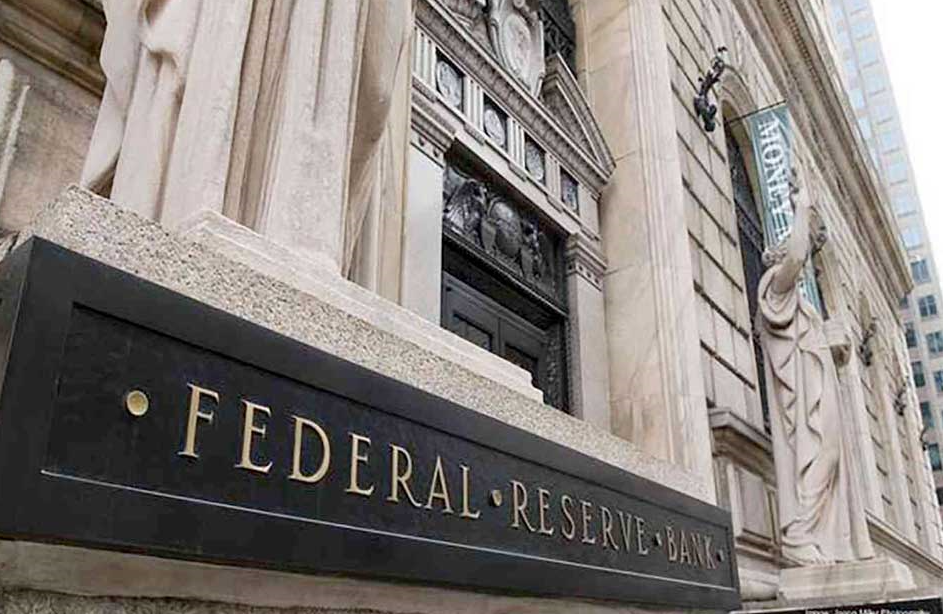
Analysts told Argaamthat holding rates steady will allow the Fed to assess the effects of its latest rate hike in September, without signalling the end of the monetary tightening cycle.
They noted that persistent inflation and widening price pressures could prompt the US central bank to raise rates by 25 basis points (bps) in December, with the possibility of further increases in 2027.
Analysts stated that comments from Fed Chair Kevin Warsh on the monetary policy outlook could have a greater impact on markets than the decision itself, particularly on the US dollar, gold, equities and bond yields.
The Fed’s decision is scheduled for 9 pm Saudi time, followed by a press conference by the central bank chair.
Market Expectations for Interest Rates Through 2028
Bloomberg data on federal funds futures show that markets expect the implied interest rate to rise from around 3.90% in October to 4.11% in December, then to 4.39% by March 2027 and approximately 4.66% in September 2027, before easing slightly in early 2028.
The following table shows market expectations for the implied interest rate, based on Bloomberg data as of Oct. 28, 2026:
Meeting date
Implied interest rate
Expected cumulative change (bps)
Oct. 28, 2026
3.903%
+2.4
Dec. 9, 2026
4.111%
+23.2
Jan. 27, 2027
4.218%
+33.9
March 17, 2027
4.390%
+51.1
April 28, 2027
4.488%
+60.9
June 9, 2027
4.593%
+71.4
July 28 2027
4.623%
+74.4
Sept. 15, 2027
4.659%
+78.0
Oct. 27, 2027
4.650%
+77.1
Dec. 8, 2027
4.111%
+74.8
Jan. 26, 2028
4.615%
+73.6
Source: Bloomberg — federal funds futures. Changes are calculated against the current effective interest rate of nearly 3.87% and do not represent confirmed policy decisions.
Inflation and Energy Prices Increase Risks of Prolonged Monetary Tightening
Ahmed Azzam, Head of Research at Equiti Group, said the rate is most likely to remain unchanged at the October meeting. However, markets have not entirely ruled out a surprise hike, with federal funds futures indicating a 91% probability of rates remaining unchanged and a 9% probability of a 25-bps increase.
Ahmed Azzam, Head of Research at Equiti Group
He told Argaamthat the Fed prefers to give the economy more time to absorb the effects of September’s rate hike, particularly given the notable increase in US Treasury yields.
Azzam also explained that the case for monetary tightening has strengthened after inflation rose to 3.7% in September and energy prices jumped 20.4% YoY. Inflationary pressures are also beginning to spread beyond the energy sector, he noted.
Around 46% of the components of the Consumer Price Index recorded annual increases exceeding 3%. This raises concerns that the energy price shock could develop into “broader and more persistent” inflation, making a return to the Fed’s 2% target more difficult and potentially forcing the central bank to maintain restrictive monetary policy for longer, Azzam added.
In the same context, Tarek Al-Rifai, CEO of the Quorum Centre for Strategic Studies, said keeping rates unchanged in October would be appropriate at this stage, despite inflation remaining above the Fed’s target. Such a decision would give the central bank time to assess the effects of previous tightening, while leaving the door open to further increases if price pressures persist.
Tarek Al-Rifai, CEO of the Quorum Centre for Strategic Studies
Al-Rifai told Argaamthat the impact of higher energy prices extends beyond fuel to transportation, production and distribution costs, gradually feeding through to goods and services prices, particularly if companies begin passing additional costs on to consumers.
He added that sustained high energy prices increase the likelihood of broader inflation and make it more difficult to bring price pressures under control in the coming period.
Will the Fed Raise Interest Rates in December?
Al-Rifai expects the Fed to raise rates by 25 bps in December, taking the target range to 4–4.25%. He also sees the possibility of a similar increase in 2027, which would bring rates to 4.25–4.50% if inflation remains elevated.
Azzam said the key question for the December meeting is no longer limited to the timing of the next increase, but also concerns the extent and duration of monetary tightening. Markets have already priced in a 25-bps hike, making confirmation of that scenario less significant than any signals about rates remaining elevated or further increases in 2027.
He said that persistently high inflation and the pass-through of higher energy prices to services, wages and inflation expectations could prompt markets to reprice the entire interest rate outlook, either by anticipating larger increases or by expecting rates to remain higher for longer.
The Fed’s September projections put inflation at 2.3% in 2027, Azzam noted. If markets come to believe that inflation will take longer to return to that level, interest rate expectations could change substantially, potentially having a much greater impact than the October decision itself.
Azzam also identified the labor market as an important factor in the next policy decision. The US economy added only around 29,000 jobs in September, while the unemployment rate remained at 4.2%, potentially leaving the Fed with the challenge of containing inflation while avoiding further deterioration in employment.
He explained that continued weakness in hiring alongside elevated inflation would complicate the December decision, as the central bank would be facing price pressures and weakening labor demand simultaneously.
Meanwhile, Ahmed Asiri, Research Strategist at Pepperstone, said comments from several Fed officials favoring unchanged rates reflect a preference for caution following September’s hike, allowing more time to assess economic data and energy-driven price pressures.
Ahmed Asiri, Research Strategist at Pepperstone
Asiri told Argaamthat this does not necessarily indicate consensus among Fed policymakers that the tightening cycle has ended. Instead, disagreements within the committee largely concern the timing of the next increase and whether it will be necessary.
Objections from two or three committee members in favor of a rate hike, if they occur, would reflect continued concerns about entrenched inflation and keep a December increase on the table, he said. However, such dissent would not guarantee that a majority would support a hike at the next meeting, given the Fed’s continued reliance on inflation and economic activity data, Asiri added.
Warsh’s Comments Could Trigger Repricing of the Dollar, Gold and Equities
Azzam said comments from Fed Chair Kevin Warsh could have a greater impact on markets than the rate decision itself, as investors have largely priced in the scenario of rates remaining at 3.75%–4%.
The key factor will be how hawkish Warsh sounds relative to current market expectations, particularly regarding inflation risks and the 2027 interest rate outlook. Any suggestion that inflation could remain above target for longer may support the US dollar and strengthen its appeal against major currencies, Azzam said.
He added that gold could face selling pressure if Warsh’s comments push US real bond yields higher, increasing the opportunity cost of holding the metal.
However, he cautioned that if nominal yields rise because of higher inflation expectations without a corresponding increase in real yields, the pressure on gold could be less severe. Ongoing geopolitical and inflation risks may also support demand for safe-haven assets.
Azzam also noted that technology stocks and companies with high valuations would be particularly sensitive to any additional tightening, especially if markets reprice interest rate expectations for 2027. Higher capital costs reduce the present value of future earnings and increase scrutiny of expected returns on substantial artificial intelligence (AI) investments.
He said movements in the US Treasury yield curve would be among the key indicators to monitor. A faster rise in two-year Treasury yields than in 10-year yields would signal a repricing of the near-term interest rate outlook.
Conversely, a faster increase in long-term yields, particularly if driven by rising inflation expectations and a higher risk premium, could be more disruptive for markets because it would raise long-term borrowing costs.
Azzam noted that 10-year US Treasury yields were trading near 5%, while the US Dollar Index had exceeded 102 points, suggesting that some of the expected tightening was already reflected in asset prices.
He expects a more hawkish-than-anticipated stance from Warsh to push the dollar and bond yields higher while weighing on gold and equities. The greater risk, he warned, is that investors begin ruling out any monetary easing in 2027, potentially triggering a broader repricing of financial assets.
Asiri said that Warsh’s reluctance to provide clear forward guidance makes the tone of the policy statement and press conference particularly important for markets.
Any hawkish signals suggesting that inflation will remain persistent or that rates could rise again before year-end could strengthen the dollar and pressure gold and US equities even before the December meeting, he said.
Bond Yields Are Delivering Monetary Tightening Without Further Fed Action
Azzam said rising US Treasury yields have begun to deliver part of the monetary tightening the Fed is seeking, making them one of the key factors supporting a decision to hold rates steady in October.
He explained that 10-year Treasury yields approaching 5% and mortgage rates recently reaching 7.4% have made the effects of tighter financial conditions increasingly evident in housing, credit and financing-dependent investment.
Higher borrowing costs do not affect all parts of the US economy equally, he added. Low- and middle-income households and small businesses face greater pressure, while large technology companies benefit from strong cash balances and earnings, as well as rising investment in AI.
This disparity helps explain why economic growth has remained resilient despite slowdowns in some sectors, Azzam said. Minutes of the September meeting showed that many Fed officials continued to view financial conditions as supportive of growth, given rising equity prices, tight corporate bond spreads and continued credit availability.
He noted that higher Treasury yields do not necessarily reflect monetary tightening alone. They also reflect inflation expectations, the term premium on long-term bonds and demand for financing. Assessing the actual degree of tightening therefore requires examining real yields, credit costs and their impact on demand.
Azzam warned of a potential dilemma for the Fed: if Warsh signals that rising Treasury yields are sufficient to avoid another rate hike, those yields could fall and equity prices could rise, easing financial conditions again. This could undermine some of the tightening the Fed had been relying on to curb inflation.
He expects Warsh to capitalize on the tightening imposed by markets without creating the impression that the rate-hiking cycle has ended, particularly given persistent inflation, resilient economic growth and energy price risks.
Azzam said the Fed can afford to wait in October, but it will need clearer evidence that inflationary pressures are easing to justify postponing a December hike. The bigger challenge may be that the economy continues to withstand relatively high yields without inflation responding as quickly as policymakers expect.
Midterm Elections Put Fed Independence to the Test
Asiri said the approaching US congressional midterm elections increase the sensitivity of the Fed’s decision, given the impact of higher prices and borrowing costs on American consumers and voters.
Political polarization ahead of the elections could increase pressure on Fed officials. However, holding rates steady should not be interpreted as evidence of political influence over the decision, particularly since caution is also justified by economic considerations and the need to assess the effects of previous rate increases, he added.
Asiri also said that the key test of the Fed’s independence under Warsh will be whether monetary policy decisions remain consistent with economic data, even when they conflict with political pressure, as occurred at the September meeting.