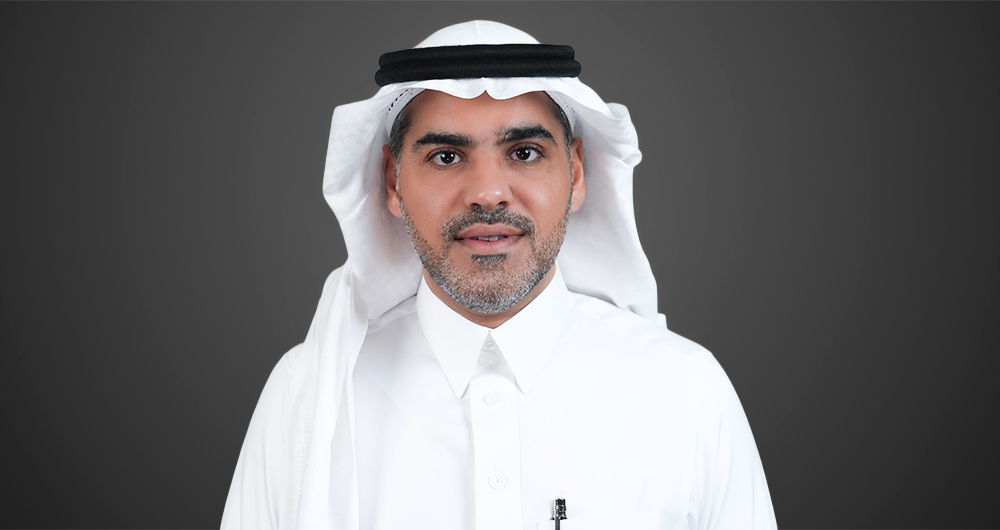
Petro Rabigh CFO Fahad Almuhaisin says demand for the company’s products remained healthy in Q3 2026
In an interview with Argaam, he said demand for the company’s products remained healthy in Q3 2026, with sales volumes improving in several markets and prices rising for some products. 
He explained that Petro Rabigh does not base its plans on the assumption that all products and markets will move in the same direction, given diverging trends across petrochemical markets.
Instead, the company is focused on improving its sales mix and directing products to markets that offer the best value to maximize returns on each unit of output, Almuhaisin said.
The integration of Petro Rabigh’s operations and its operational flexibility have improved its ability to manage its production and sales mix compared with previous periods, he added.
Almuhaisin said the company’s Q3 net profit was the second-highest quarterly profit in its history.
He attributed the results to a combination of operational and financial improvements, including stronger product margins, higher operational reliability and asset utilization rates, better working capital management, and lower financing costs (FCs) following debt reduction and the early repayment of several loans.
He emphasized that the improved performance was not driven solely by favorable market conditions, but reflected a broader transformation in the company’s performance.
Refining margins improved in Q3 and were among the main drivers of profitability, while several petrochemical products also contributed positively, although performance varied by product depending on global market conditions.
The integration of refining and petrochemical operations gives Petro Rabigh a competitive advantage, Almuhaisin said, as the company operates an integrated complex rather than two separate businesses. This enables it to optimize its production mix and maximize value from every barrel and unit of output.
Regarding the impact of regional geopolitical tensions, Almuhaisin said the company maintained stable operations and supply chains, as well as reliable feedstock supplies, with no material impact on production continuity or exports despite geopolitical challenges and regional shipping disruptions.
Tensions in the Red Sea increased shipping and insurance costs and extended transit times in some cases.
The company addressed these challenges through proactive supply chain management, diversified logistics options and available alternatives, he added.
Petro Rabigh’s strategic location on the Red Sea, coupled with its integrated infrastructure, gives it considerable flexibility in serving multiple markets. The company remains focused on maintaining business continuity and operational flexibility amid changing geopolitical conditions, he noted.
Almuhaisin revealed that Petro Rabigh had reduced its total debt from more than SAR 30 billion in mid-2024 to around SAR 14 billion currently.
The reduction was achieved through early repayment of several loans, debt waivers from founding partners and regular repayments in line with agreed schedules.
Debt reduction has not only lowered FCs but also reduced the company’s sensitivity to rising interest rates and strengthened its ability to direct cash flows toward growth and value creation, he said.
The company has also fully eliminated its accumulated losses and moved into retained earnings, Almuhaisin said, adding that this marks a shift from restoring profitability to sustaining and building on it.
Regarding Q4 2026, Almuhaisin said the company enters the quarter with confidence and realism, as global markets remain influenced by oil prices, global demand, supply-and-demand dynamics and geopolitical developments.
Petro Rabigh is now in a fundamentally different position, supported by improved operational reliability, lower debt and FCs, more efficient working capital management and higher asset utilization rates, he added.
The company’s goal for Q4 extends beyond delivering strong results to consolidating the progress made throughout the year and turning it into sustainable performance, he emphasized.
According to Argaamdata, Petro Rabigh reported a net profit of SAR 6.702 billion in the first nine months of 2026, compared with a net loss of SAR 3.292 billion in the same period of 2025. Q3 net profit reached SAR 2.576 billion.
Petro Rabigh CFO Fahad Almuhaisin says demand for the company’s products remained healthy in Q3 2026
In an interview with Argaam, he said demand for the company’s products remained healthy in Q3 2026, with sales volumes improving in several markets and prices rising for some products.
He explained that Petro Rabigh does not base its plans on the assumption that all products and markets will move in the same direction, given diverging trends across petrochemical markets.
Instead, the company is focused on improving its sales mix and directing products to markets that offer the best value to maximize returns on each unit of output, Almuhaisin said.
The integration of Petro Rabigh’s operations and its operational flexibility have improved its ability to manage its production and sales mix compared with previous periods, he added.
Almuhaisin said the company’s Q3 net profit was the second-highest quarterly profit in its history.
He attributed the results to a combination of operational and financial improvements, including stronger product margins, higher operational reliability and asset utilization rates, better working capital management, and lower financing costs (FCs) following debt reduction and the early repayment of several loans.
He emphasized that the improved performance was not driven solely by favorable market conditions, but reflected a broader transformation in the company’s performance.
Refining margins improved in Q3 and were among the main drivers of profitability, while several petrochemical products also contributed positively, although performance varied by product depending on global market conditions.
The integration of refining and petrochemical operations gives Petro Rabigh a competitive advantage, Almuhaisin said, as the company operates an integrated complex rather than two separate businesses. This enables it to optimize its production mix and maximize value from every barrel and unit of output.
Regarding the impact of regional geopolitical tensions, Almuhaisin said the company maintained stable operations and supply chains, as well as reliable feedstock supplies, with no material impact on production continuity or exports despite geopolitical challenges and regional shipping disruptions.
Tensions in the Red Sea increased shipping and insurance costs and extended transit times in some cases.
The company addressed these challenges through proactive supply chain management, diversified logistics options and available alternatives, he added.
Petro Rabigh’s strategic location on the Red Sea, coupled with its integrated infrastructure, gives it considerable flexibility in serving multiple markets. The company remains focused on maintaining business continuity and operational flexibility amid changing geopolitical conditions, he noted.
Almuhaisin revealed that Petro Rabigh had reduced its total debt from more than SAR 30 billion in mid-2024 to around SAR 14 billion currently.
The reduction was achieved through early repayment of several loans, debt waivers from founding partners and regular repayments in line with agreed schedules.
Debt reduction has not only lowered FCs but also reduced the company’s sensitivity to rising interest rates and strengthened its ability to direct cash flows toward growth and value creation, he said.
The company has also fully eliminated its accumulated losses and moved into retained earnings, Almuhaisin said, adding that this marks a shift from restoring profitability to sustaining and building on it.
Regarding Q4 2026, Almuhaisin said the company enters the quarter with confidence and realism, as global markets remain influenced by oil prices, global demand, supply-and-demand dynamics and geopolitical developments.
Petro Rabigh is now in a fundamentally different position, supported by improved operational reliability, lower debt and FCs, more efficient working capital management and higher asset utilization rates, he added.
The company’s goal for Q4 extends beyond delivering strong results to consolidating the progress made throughout the year and turning it into sustainable performance, he emphasized.
According to Argaamdata, Petro Rabigh reported a net profit of SAR 6.702 billion in the first nine months of 2026, compared with a net loss of SAR 3.292 billion in the same period of 2025. Q3 net profit reached SAR 2.576 billion.