SAMA Governor Ayman Al-Sayari says the Saudi banking system, backed by strong capital and liquidity positions, provides a solid foundation for financial resilience
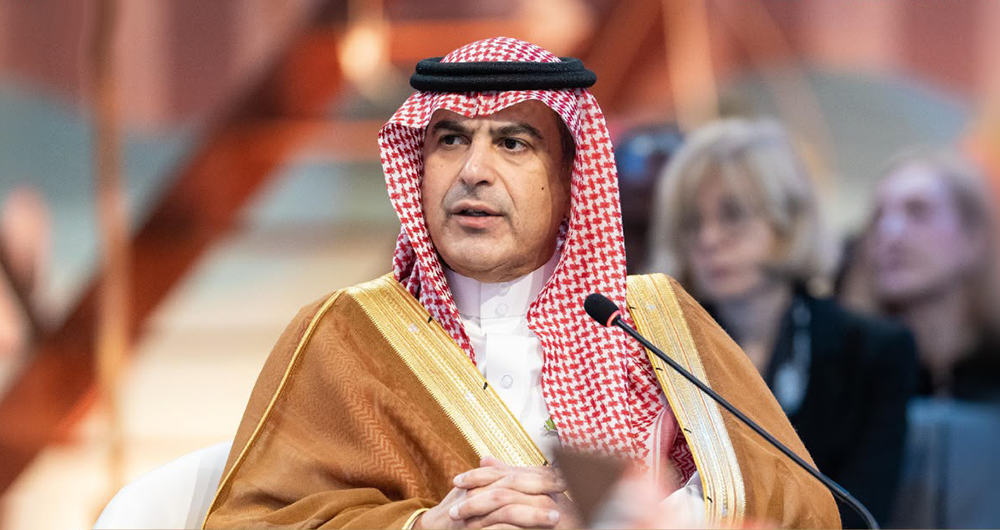
Saudi Central Bank (SAMA) Governor Ayman Al-Sayari said the Saudi economy continues to show resilience amid the ongoing conflict in the Middle East, navigating regional uncertainty from a position of strength, supported by prudent policy frameworks, substantial financial reserves, and strong institutional capabilities. 
Speaking on behalf of Saudi Arabia at the International Monetary and Financial Committee (IMFC) during the 2026 annual meetings of the World Bank Group and the International Monetary Fund (IMF) in Bangkok, Al-Sayari said the Saudi banking system, backed by strong capital and liquidity positions and proactive macroprudential policies, provides a solid foundation for financial resilience.
Saudi Arabia’s financial soundness indicators are among the strongest in the region, with improving asset quality and robust liquidity ratios. Stress tests also confirm the banking sector’s ability to withstand severe shocks, he said.
Decades of sound economic and risk management, alongside strategic investment, have helped preserve domestic stability, the Governor added.
Al-Sayari noted that Saudi Vision 2030 has strengthened the Kingdom’s economic foundations by expanding the non-oil sector, increasing private-sector participation and enhancing institutional capacity and implementation capabilities.
Saudi Arabia remains committed to advancing this transformation through reforms that boost productivity and expand private investment opportunities, while safeguarding fiscal sustainability and improving spending efficiency.
He affirmed that the Kingdom’s economic policy remains flexible in responding to changing conditions while maintaining its long-term development objectives.
Al-Sayari highlighted the conflict’s impact on the global outlook, with repercussions spanning energy markets, shipping routes, trade, transport, inflation, financing, and confidence.
He stressed the IMF’s role in strengthening international cooperation and supporting member countries through surveillance and policy advice tailored to each country’s circumstances and needs.
Al-Sayari also underscored the importance of monetary policy in maintaining price stability, with responses calibrated to the sources and persistence of price pressures.
Fiscal policy should address debt and refinancing vulnerabilities, rebuild reserves and buffers, and preserve productive investment and targeted support for the most affected households, he said.
The Governor also emphasized strengthening financial-sector regulatory and supervisory frameworks to address liquidity, leverage, and financing risks.
Al-Sayari called for harnessing the benefits of artificial intelligence and digital finance while reinforcing financial and operational resilience and cybersecurity.
SAMA Governor Ayman Al-Sayari says the Saudi banking system, backed by strong capital and liquidity positions, provides a solid foundation for financial resilience
Saudi Central Bank (SAMA) Governor Ayman Al-Sayari said the Saudi economy continues to show resilience amid the ongoing conflict in the Middle East, navigating regional uncertainty from a position of strength, supported by prudent policy frameworks, substantial financial reserves, and strong institutional capabilities.
Speaking on behalf of Saudi Arabia at the International Monetary and Financial Committee (IMFC) during the 2026 annual meetings of the World Bank Group and the International Monetary Fund (IMF) in Bangkok, Al-Sayari said the Saudi banking system, backed by strong capital and liquidity positions and proactive macroprudential policies, provides a solid foundation for financial resilience.
Saudi Arabia’s financial soundness indicators are among the strongest in the region, with improving asset quality and robust liquidity ratios. Stress tests also confirm the banking sector’s ability to withstand severe shocks, he said.
Decades of sound economic and risk management, alongside strategic investment, have helped preserve domestic stability, the Governor added.
Al-Sayari noted that Saudi Vision 2030 has strengthened the Kingdom’s economic foundations by expanding the non-oil sector, increasing private-sector participation and enhancing institutional capacity and implementation capabilities.
Saudi Arabia remains committed to advancing this transformation through reforms that boost productivity and expand private investment opportunities, while safeguarding fiscal sustainability and improving spending efficiency.
He affirmed that the Kingdom’s economic policy remains flexible in responding to changing conditions while maintaining its long-term development objectives.
Al-Sayari highlighted the conflict’s impact on the global outlook, with repercussions spanning energy markets, shipping routes, trade, transport, inflation, financing, and confidence.
He stressed the IMF’s role in strengthening international cooperation and supporting member countries through surveillance and policy advice tailored to each country’s circumstances and needs.
Al-Sayari also underscored the importance of monetary policy in maintaining price stability, with responses calibrated to the sources and persistence of price pressures.
Fiscal policy should address debt and refinancing vulnerabilities, rebuild reserves and buffers, and preserve productive investment and targeted support for the most affected households, he said.
The Governor also emphasized strengthening financial-sector regulatory and supervisory frameworks to address liquidity, leverage, and financing risks.
Al-Sayari called for harnessing the benefits of artificial intelligence and digital finance while reinforcing financial and operational resilience and cybersecurity.