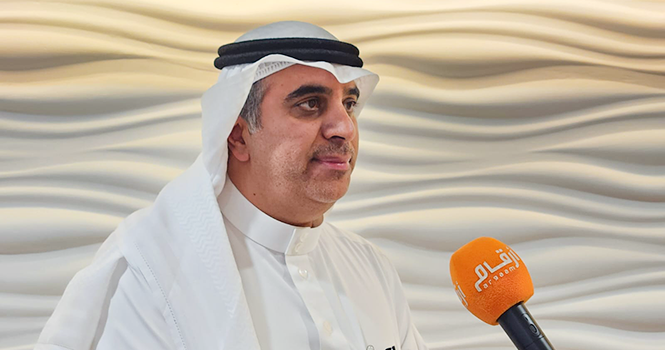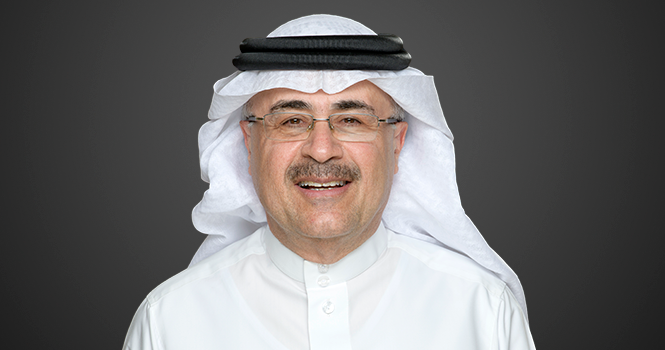
Amin Nasser, CEO of Saudi Aramco
Amin Nasser, CEO of Saudi Aramco, said the global energy supply shock that began in Q1 2026 is the most severe the world has ever experienced. 
He added that the company produced 12.6 million barrels of oil equivalent per day during the first quarter, Reuters reported.
Nasser noted that markets would need months to normalize even if the Strait of Hormuz were reopened immediately, warning that if the disruption persists for several more weeks, a full return to normal conditions may not occur before 2027.
He said the oil sector must address declining inventories and will need to allocate part of its liquidity to do so, stresseing that urgent energy security needs will drive rapid restocking, including rebuilding strategic reserves and commercial inventories.
He added that energy and commodity supply chains, even under the most optimistic scenarios, would need several months to return to pre-conflict levels, noting that vessels are either rerouting or avoiding long idle periods, while shipping traffic through the Strait has dropped sharply from around 70 vessels per day to just 2 to 5.
He said forecasts point to demand growth of around 700,000 to 900,000 barrels per day in 2026, adding that normalization of trade and shipping would support a strong rebound in demand growth.
Nasser also said Aramco expects demand rationing to persist as long as supply disruptions through the Strait of Hormuz continue, noting that under current conditions the market is losing about 100 million barrels of oil for every week the strait remains closed.
He highlighted a clear disconnect between futures and physical markets, reflected in strong refining margins that signal tight supply conditions.
Separately, CFO Ziad Al-Murshed said Aramco’s reserve base stands at around 250 billion barrels of oil equivalent. With peer reserves declining, Aramco’s reserves now equal about five times those of international oil companies combined, up from 3.5 times in 2018.
He added that more than 60% of Aramco’s 2025 operating cash flow was available for shareholder distributions and external investments, the highest liquidity ratio among peers.
He said the company continues to expand its funding sources alongside existing instruments, including bonds, sukuk, and commercial paper, to strengthen financial flexibility.
Amin Nasser, CEO of Saudi Aramco
Amin Nasser, CEO of Saudi Aramco, said the global energy supply shock that began in Q1 2026 is the most severe the world has ever experienced.
He added that the company produced 12.6 million barrels of oil equivalent per day during the first quarter, Reuters reported.
Nasser noted that markets would need months to normalize even if the Strait of Hormuz were reopened immediately, warning that if the disruption persists for several more weeks, a full return to normal conditions may not occur before 2027.
He said the oil sector must address declining inventories and will need to allocate part of its liquidity to do so, stresseing that urgent energy security needs will drive rapid restocking, including rebuilding strategic reserves and commercial inventories.
He added that energy and commodity supply chains, even under the most optimistic scenarios, would need several months to return to pre-conflict levels, noting that vessels are either rerouting or avoiding long idle periods, while shipping traffic through the Strait has dropped sharply from around 70 vessels per day to just 2 to 5.
He said forecasts point to demand growth of around 700,000 to 900,000 barrels per day in 2026, adding that normalization of trade and shipping would support a strong rebound in demand growth.
Nasser also said Aramco expects demand rationing to persist as long as supply disruptions through the Strait of Hormuz continue, noting that under current conditions the market is losing about 100 million barrels of oil for every week the strait remains closed.
He highlighted a clear disconnect between futures and physical markets, reflected in strong refining margins that signal tight supply conditions.
Separately, CFO Ziad Al-Murshed said Aramco’s reserve base stands at around 250 billion barrels of oil equivalent. With peer reserves declining, Aramco’s reserves now equal about five times those of international oil companies combined, up from 3.5 times in 2018.
He added that more than 60% of Aramco’s 2025 operating cash flow was available for shareholder distributions and external investments, the highest liquidity ratio among peers.
He said the company continues to expand its funding sources alongside existing instruments, including bonds, sukuk, and commercial paper, to strengthen financial flexibility.