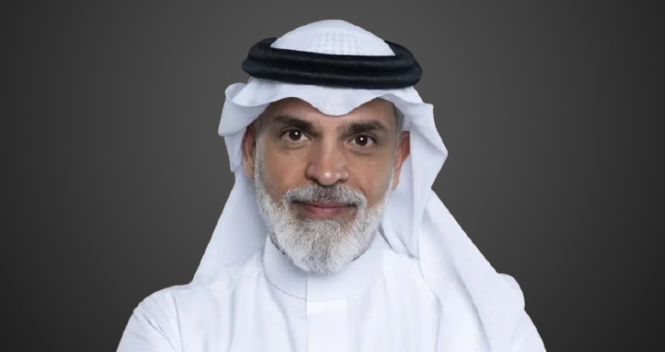
Turki Badhris, President of Microsoft Arabia, said the business environment in Saudi Arabia is remarkably improving, supported by advances in digital and regulatory infrastructure, growing enterprise readiness to adopt cloud computing and artificial intelligence, and continued investment in human capital.
In an interview with Argaam, Badhris said AI has become a core component of business models and competitiveness, as the Kingdom moves to build advanced infrastructure and supportive regulatory frameworks for adopting these technologies.
Government entities—led by the Ministry of Communications and Information Technology—have played a pivotal role in building an integrated digital ecosystem that supports AI, through the development of cloud infrastructure, enhanced cybersecurity, and accelerated digital skills development.
Badhris added that the next phase will focus on skills development as a critical enabler to fully leverage AI, linking adoption to the ability of individuals and institutions to deploy these technologies effectively.
Microsoft is seeing this transformation across sectors through its partnerships—from enabling smart manufacturing and supporting energy companies in improving operational efficiency, to advancing digital experiences in aviation and strengthening government digital services.
Commenting on the Saudi Vision 2030 annual report for 2025, Badhris said it highlights the Kingdom’s growing reliance on technology, skills development, and institutional readiness as key drivers of economic transformation. He noted that the tech sector has created more than 381,000 high-quality jobs to date, with female participation rising to around 35%, enhancing the investment climate and supporting sustainable growth.
This transformation is reflected in key indicators, including the expansion of the digital economy to around SAR 495 billion and the ICT market to more than SAR 180 billion, alongside continued progress in infrastructure such as data centers and fiber-optic networks.
Internet penetration in the Kingdom has reached nearly 99%, according to Vision 2030 reports and official data.
Badhris said these indicators demonstrate the availability of advanced enablers that allow sectors—including industry, energy, aviation, government services, and major national projects—to adopt AI effectively, boosting productivity, decision-making, and business continuity.
He concluded that Microsoft will continue to support Saudi Arabia’s digital transformation by enabling organizations to adopt technology securely and responsibly, strengthening cybersecurity capabilities, and investing in AI skills development in line with Vision 2030 goals.
Turki Badhris, President of Microsoft Arabia, said the business environment in Saudi Arabia is remarkably improving, supported by advances in digital and regulatory infrastructure, growing enterprise readiness to adopt cloud computing and artificial intelligence, and continued investment in human capital.
In an interview with Argaam, Badhris said AI has become a core component of business models and competitiveness, as the Kingdom moves to build advanced infrastructure and supportive regulatory frameworks for adopting these technologies.
Government entities—led by the Ministry of Communications and Information Technology—have played a pivotal role in building an integrated digital ecosystem that supports AI, through the development of cloud infrastructure, enhanced cybersecurity, and accelerated digital skills development.
Badhris added that the next phase will focus on skills development as a critical enabler to fully leverage AI, linking adoption to the ability of individuals and institutions to deploy these technologies effectively.
Microsoft is seeing this transformation across sectors through its partnerships—from enabling smart manufacturing and supporting energy companies in improving operational efficiency, to advancing digital experiences in aviation and strengthening government digital services.
Commenting on the Saudi Vision 2030 annual report for 2025, Badhris said it highlights the Kingdom’s growing reliance on technology, skills development, and institutional readiness as key drivers of economic transformation. He noted that the tech sector has created more than 381,000 high-quality jobs to date, with female participation rising to around 35%, enhancing the investment climate and supporting sustainable growth.
This transformation is reflected in key indicators, including the expansion of the digital economy to around SAR 495 billion and the ICT market to more than SAR 180 billion, alongside continued progress in infrastructure such as data centers and fiber-optic networks.
Internet penetration in the Kingdom has reached nearly 99%, according to Vision 2030 reports and official data.
Badhris said these indicators demonstrate the availability of advanced enablers that allow sectors—including industry, energy, aviation, government services, and major national projects—to adopt AI effectively, boosting productivity, decision-making, and business continuity.
He concluded that Microsoft will continue to support Saudi Arabia’s digital transformation by enabling organizations to adopt technology securely and responsibly, strengthening cybersecurity capabilities, and investing in AI skills development in line with Vision 2030 goals.