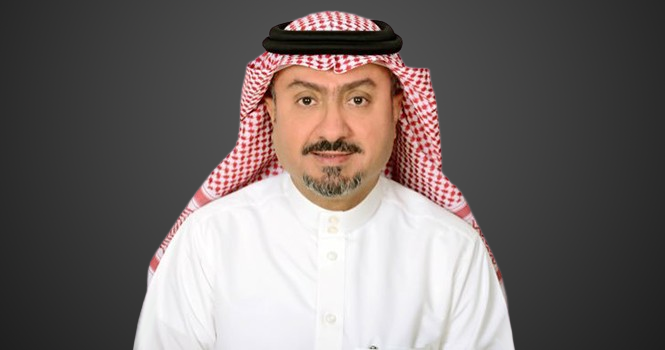
Nabil Al-Amir, CEO ofUnited Wire Factories Co. (Aslak)
This led to a 9% increase year-on-year in revenues; however, profit margins declined by about 22% due to fierce price competition across all products, he added. 
According to the top executive, total sales volumes reached their highest level compared to other periods during the year, while price competition was at its peak before year-end.
He added that the company reached peak production capacity in the fourth quarter, achieving a utilization rate of 80-90% of its production capacity as planned, highlighting that this strategy was fully implemented during the last quarter.
Al-Amir further said that Aslak continuously works on finding solutions to address ongoing and unexpected changes affecting demand volume and company performance.
The CEO noted that market demand and weak liquidity during Q1 2026 remained at the same levels as by the end of 2025, adding that the early start of the Ramadan season contributed to slowing demand, along with prevailing regional events.
The company implemented a number of initiatives and internal measures aimed at improving operational efficiency and enhancing profitability, with expectations that the results of these efforts will gradually be reflected during 2026, he further stated.
According to Argaam’s data, Aslak’s profit fell to SAR 5.1 million by the end of 2025, compared to SAR 16.2 million in 2024. The fourth-quarter profit amounted to SAR 1.1 million, a decline of 43% year-on-year.
Nabil Al-Amir, CEO ofUnited Wire Factories Co. (Aslak)
This led to a 9% increase year-on-year in revenues; however, profit margins declined by about 22% due to fierce price competition across all products, he added.
According to the top executive, total sales volumes reached their highest level compared to other periods during the year, while price competition was at its peak before year-end.
He added that the company reached peak production capacity in the fourth quarter, achieving a utilization rate of 80-90% of its production capacity as planned, highlighting that this strategy was fully implemented during the last quarter.
Al-Amir further said that Aslak continuously works on finding solutions to address ongoing and unexpected changes affecting demand volume and company performance.
The CEO noted that market demand and weak liquidity during Q1 2026 remained at the same levels as by the end of 2025, adding that the early start of the Ramadan season contributed to slowing demand, along with prevailing regional events.
The company implemented a number of initiatives and internal measures aimed at improving operational efficiency and enhancing profitability, with expectations that the results of these efforts will gradually be reflected during 2026, he further stated.
According to Argaam’s data, Aslak’s profit fell to SAR 5.1 million by the end of 2025, compared to SAR 16.2 million in 2024. The fourth-quarter profit amounted to SAR 1.1 million, a decline of 43% year-on-year.